
Drosera intermedia: A fascinating carnivorous plant
Introduction
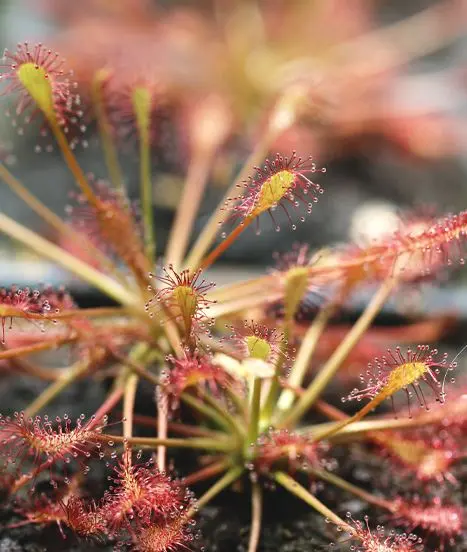
Drosera intermedia, commonly known as the intermediate sundew, is a fascinating carnivorous plant belonging to the Droseraceae family. This plant is widely distributed across the temperate zones of Europe, North America and South America. It is renowned for its unique ability to capture and digest insects, a remarkable adaptation to nutrient-poor soils. This article explores the ecology, biology and care requirements of this intriguing plant.
Why the name ‘Drosera intermedia’?
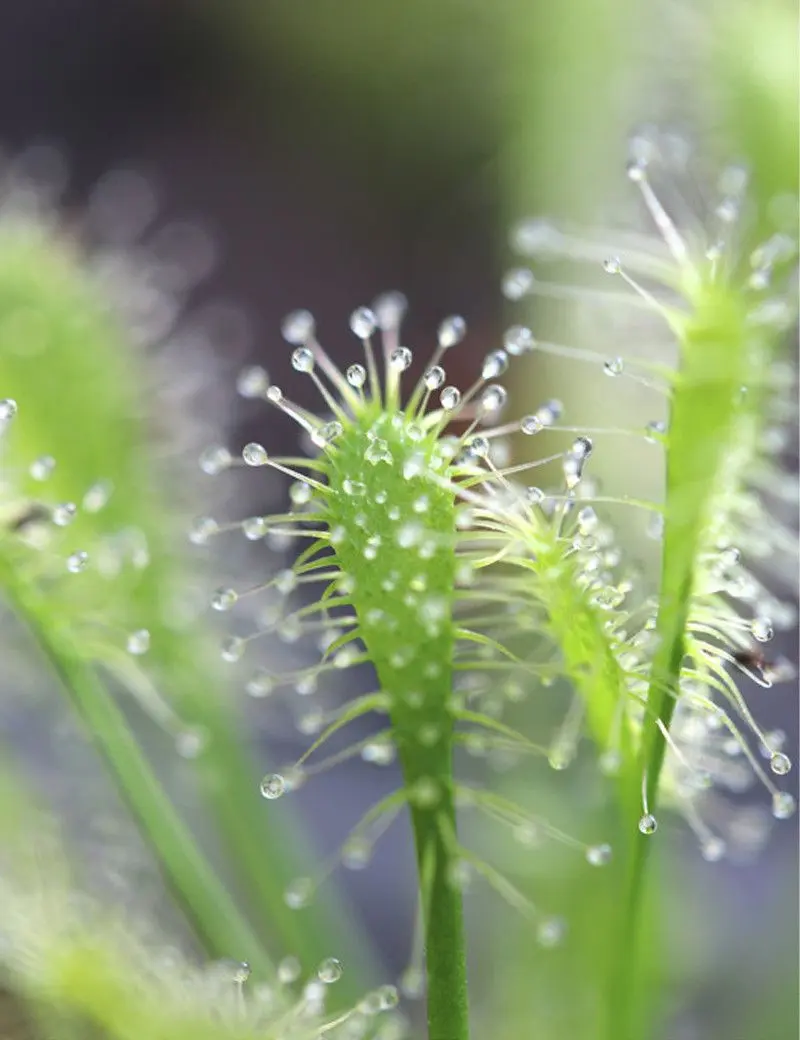
The plant ‘Drosera intermedia’ takes its name from its morphological characteristics and its taxonomic position amongst the other Drosera species. The genus ‘Drosera’ derives from the Ancient Greek ‘drosos’, meaning ‘dew’, in reference to the glistening droplets of mucilage secreted by the glandular hairs on its leaves, which resemble dewdrops.
The term “intermedia” means “intermediate” in Latin, and was chosen for this species to indicate its position between other Drosera species in terms of size and morphological characteristics. Indeed, Drosera intermedia exhibits characteristics that are intermediate between those of smaller species, such as Drosera rotundifolia (round-leaved sundew), and larger species, such as Drosera anglica (English sundew). This name therefore reflects its phylogenetic position and its morphology, which places it between several other species within the genus Drosera.
Ecology
Drosera intermedia is mainly found in peat bogs, marshes and wet meadows. These habitats are characterised by acidic, nutrient-poor soils – conditions in which few plants can thrive. D. intermedia’s adaptation to these extreme environments relies on its ability to supplement its nutrient intake by catching insects. This plant prefers sunny areas with constant humidity, but it can also survive periods of drought by entering dormancy.
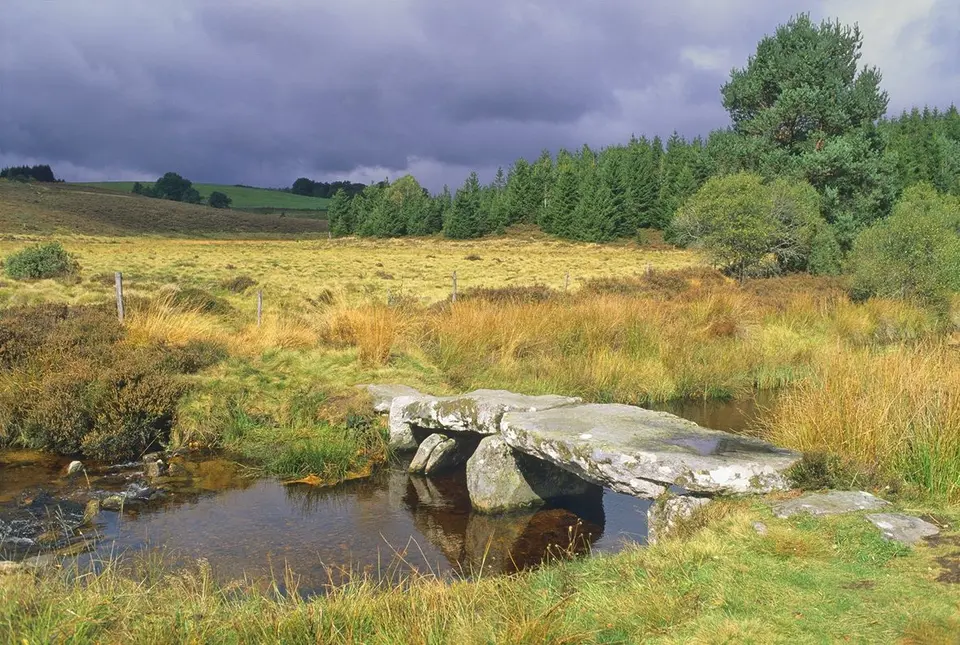
In terms of geographical distribution, Drosera intermedia is found in Europe, notably in France, Spain, Ireland and the United Kingdom. In North America, it is found from Canada to Florida, and in South America, it is found in certain regions of Brazil. Its ability to adapt to a variety of climates and soil conditions makes it a particularly resilient species.
Biology
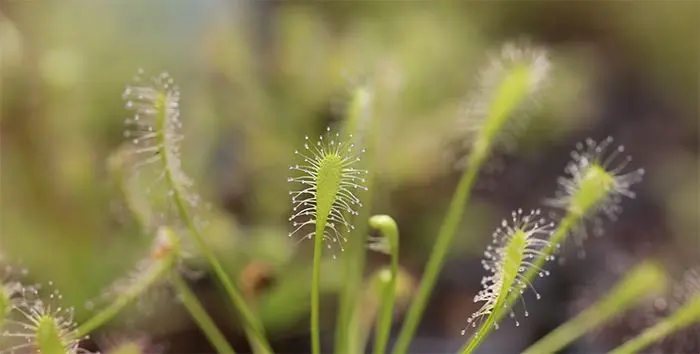
Drosera intermedia has a unique structure adapted to its carnivorous lifestyle. Its leaves are covered in glandular hairs that secrete a sticky substance resembling dew. These droplets attract insects, which become trapped when they land on them. The glandular hairs react to contact by slowly curling the leaf around the prey, thereby increasing the number of contact points to maximise digestion.
The prey is digested by enzymes secreted by the leaf’s digestive glands. These enzymes break down the insects’ proteins and other organic compounds into nutrients that the plant can absorb. This process enables Drosera intermedia to compensate for the lack of nutrients in its natural soil.
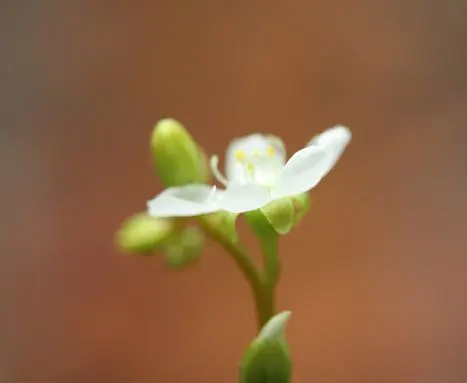
D. intermedia reproduces mainly sexually, via small white flowers that appear in summer. These flowers often self-pollinate, producing seeds that germinate in damp conditions. The plant can also reproduce vegetatively through root division, but this process is more complex.
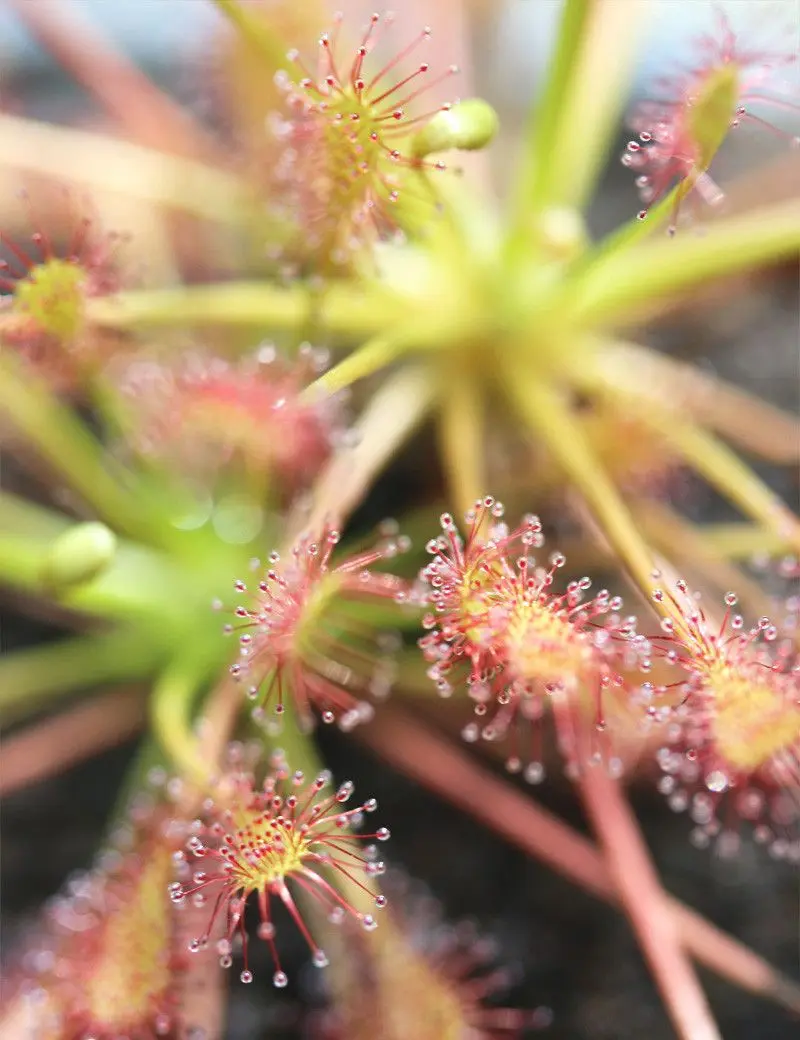
Caring for Drosera intermedia
Growing Drosera intermedia in captivity can be a rewarding experience, provided you recreate its natural conditions. Here are a few tips for keeping this plant healthy:
Substrate
Use a specialised mix for carnivorous plants, which replicates the acidic, nutrient-poor soil of its natural habitat. Avoid mineral-rich soils, which can be harmful to the plant.
Humidity
Drosera intermedia requires high humidity to thrive. You should also use a tray filled with distilled, rainwater or reverse-osmosis water to keep the growing medium constantly moist. As winter approaches, limit watering to what is strictly necessary – in other words, ensure the growing medium remains just moist, taking care not to let it dry out.
Light
This plant needs plenty of light. Place it in a spot where it receives direct sunlight for at least six hours a day. Insufficient light can lead to slow growth and a reduction in the production of glandular hairs.
Temperature
Drosera intermedia is suited to temperate climates. It tolerates a wide range of temperatures, but much prefers moderate temperatures. During winter, some plants may go into dormancy. It is important to reduce watering and maintain a cooler temperature (10°C) during this period, as this will encourage your Drosera to come back stronger in spring.
Nutrition
Although the plant can survive without insects, it will grow best if it can catch prey. Indoors, do your best to ensure the plant has the chance to catch ‘gnats’ (often fruit flies or compost flies, also known as Drosophila).
Conclusion
Drosera intermedia is a marvel of evolution, displaying fascinating adaptations for surviving in harsh environments. What sets it apart from other carnivorous plants is its ability to colonise a variety of temperate climates and to enter dormancy during periods of drought, demonstrating remarkable resilience. Furthermore, its ease of cultivation and low maintenance requirements make it an ideal choice for novice carnivorous plant enthusiasts, whilst offering a fascinating insight into the adaptive survival strategies of carnivorous plants.
Understanding and respecting its ecological and biological needs is essential for keeping it healthy and fully appreciating the beauty and ingenuity of this remarkable plant.
For sale in the Karnivores shop
Love Carnivorous plants? Don't miss our plants and exclusive offers in the online shop.
Read next
Saxifraga candelabrum: the flowering plant that confirms a 150-year-old hypothesis by Darwin
How does the Venus flytrap detect its prey? A 2025 study sheds light on its ‘sixth sense’
Growing Tillandsia from seed: a comprehensive guide to successful germination

Do Dionisian traps run on electricity?
How carnivorous plants digest their prey
Which plants can you grow on xaxim?