
Drosera filiformis: carnivorous plants amongst carnivorous plants
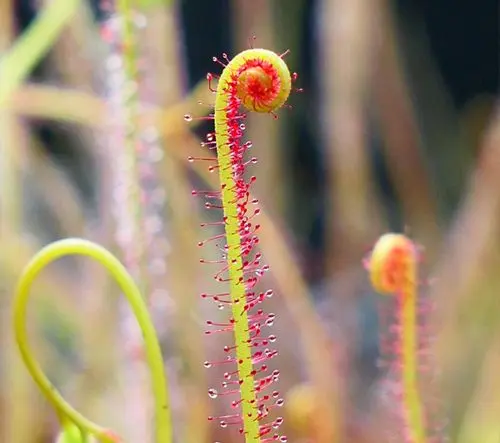
In this article, we will explore the fascinating family of carnivorous plants known as *Drosera* filiformis and learn more about their history, biology and environment.
Geographical origin of Drosera filiformis
Drosera filiformis is native to the coastal regions of eastern North America, from Canada down to Florida. These plants are generally found in wetlands, such as marshes, peat bogs and wet meadows. They are known for their ability to feed on insects using their sticky, glutinous leaves, which trap prey and digest it.
A story of adaptation among carnivorous plants
Drosera filiformis has long, slender leaves that resemble tentacles. These tentacles are covered in sticky, glutinous glands, known as glandular tentacles, which attract insects. When an insect lands on a leaf, the tendrils close around it, trapping it on the leaf’s surface. The glands then produce digestive enzymes that break down the insect, allowing the plant to absorb its nutrients.
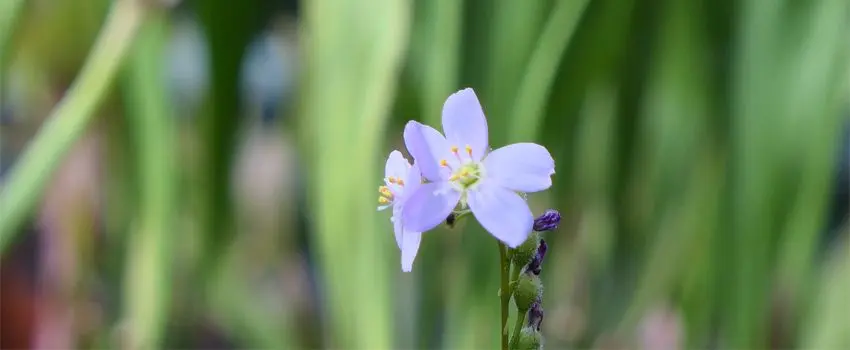
Drosera filiformis are also known for their ability to adapt to their environment. For example, some populations of Drosera filiformis have developed longer, thinner leaves to better adapt to the conditions of their habitat. The plants have also been observed moving slowly to capture insects more effectively, though this has yet to be confirmed (at Karnivores, we have never observed this ourselves).
Delicate, but not that much
In terms of care, Drosera filiformis require a humid, sunny environment. They need acidic soil, usually a mixture of peat and perlite. It is important never to let the soil dry out completely, as this can damage the roots and kill the plant.
In summary, the Drosera filiformis family is fascinating and unique, and attracts the attention of botanists for obvious reasons. Their ability to feed on insects using their sticky, slimy leaves is a subject of study and fascination for scientists and plant enthusiasts alike. Drosera filiformis plants also make an excellent addition to a carnivorous plant garden or a humid, sunny indoor environment.
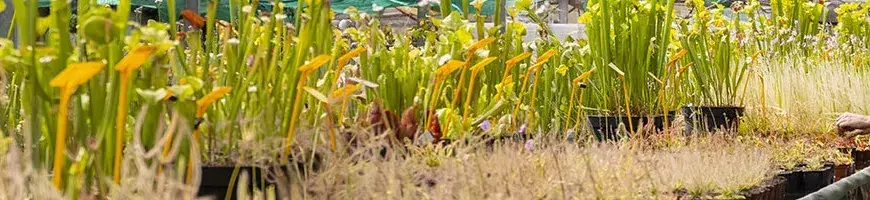
For sale in the Karnivores shop
Love Carnivorous plants? Don't miss our plants and exclusive offers in the online shop.
Read next
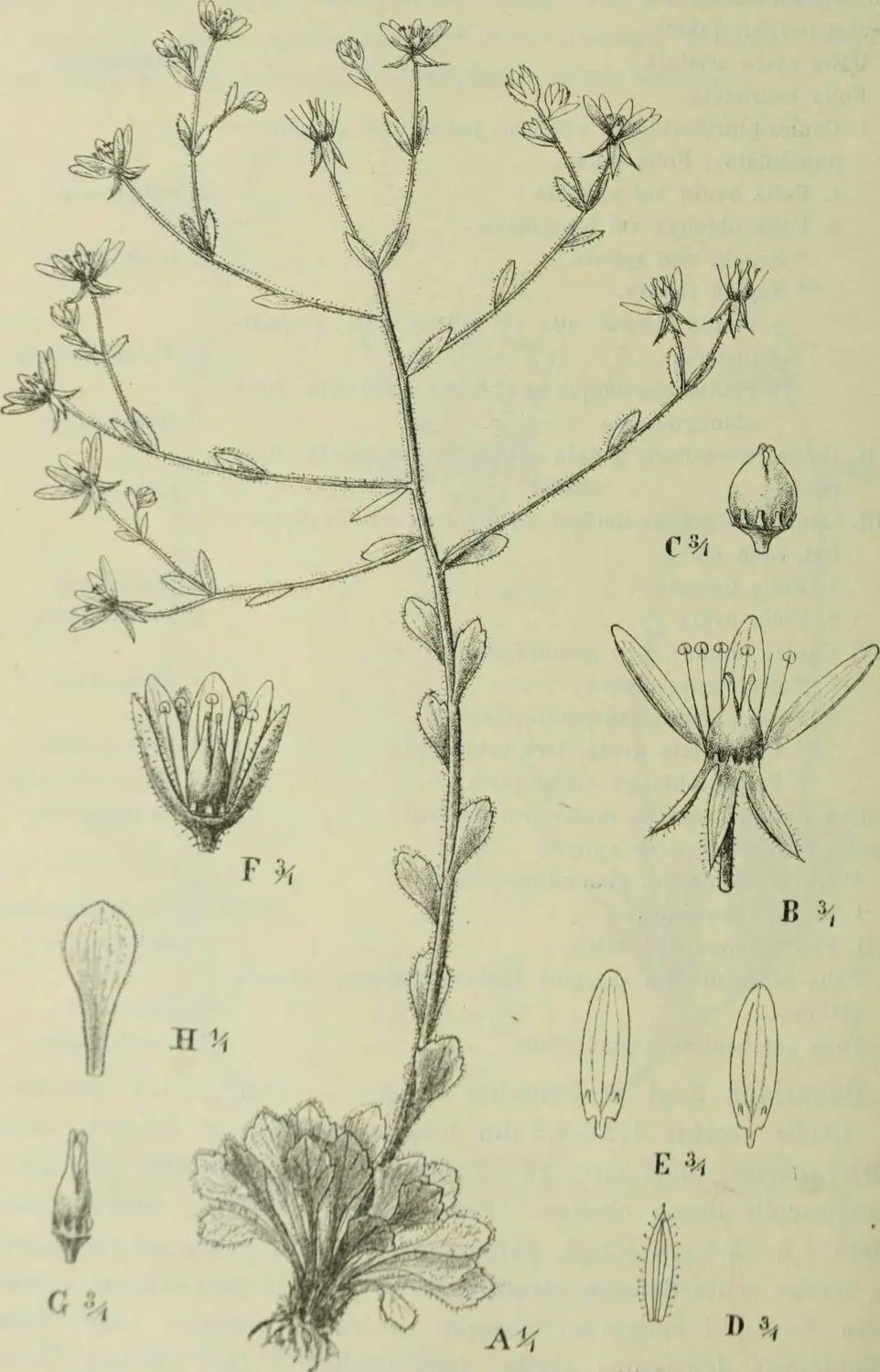
Saxifraga candelabrum: the flowering plant that confirms a 150-year-old hypothesis by Darwin
How does the Venus flytrap detect its prey? A 2025 study sheds light on its ‘sixth sense’
Growing Tillandsia from seed: a comprehensive guide to successful germination
Do Dionisian traps run on electricity?
How carnivorous plants digest their prey
Which plants can you grow on xaxim?