
Dried sphagnum moss and carnivorous plants: why this substrate is particularly suitable
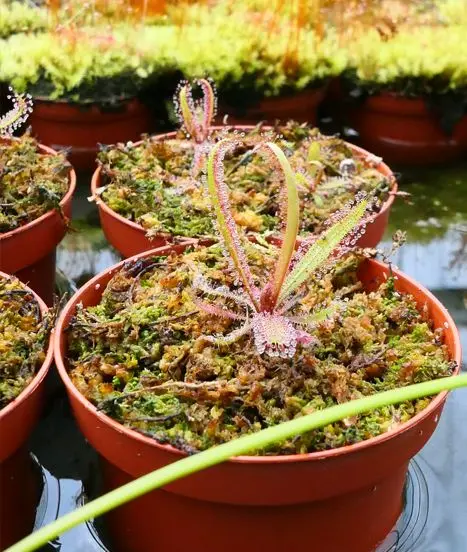
Growing carnivorous plants involves very specific requirements, particularly with regard to the growing medium. Originating from naturally nutrient-poor, acidic and waterlogged environments, these plants tolerate neither an excess of nutrients nor unstable growing media. The choice of growing medium is therefore crucial to their long-term health.
Among the materials used, dried sphagnum moss holds a special place. Valued for its stability and physical properties, it has become the go-to growing medium for many carnivorous plant growers, both beginners and experienced.
The specific requirements of carnivorous plants
Carnivorous plants grow naturally in environments that are extreme from a horticultural perspective. Peat bogs, acidic marshes, sandy or waterlogged soils all have one thing in common: they are very low in nutrients and maintain constant moisture levels.
Unlike conventional plants, carnivorous plants are not adapted to absorbing mineral salts through their roots. Their root systems are often fine, fragile and have little tolerance for excesses. Any build-up of minerals or decomposing organic matter can lead to a gradual weakening, which is often invisible at first.
The ideal growing medium for carnivorous plants must therefore meet several criteria: it must be nutrient-poor, acidic, stable, capable of retaining water without suffocating the roots, and limit the growth of pathogens. Dehydrated sphagnum moss can fulfil this role, although this is more true for some carnivorous plants than for others.
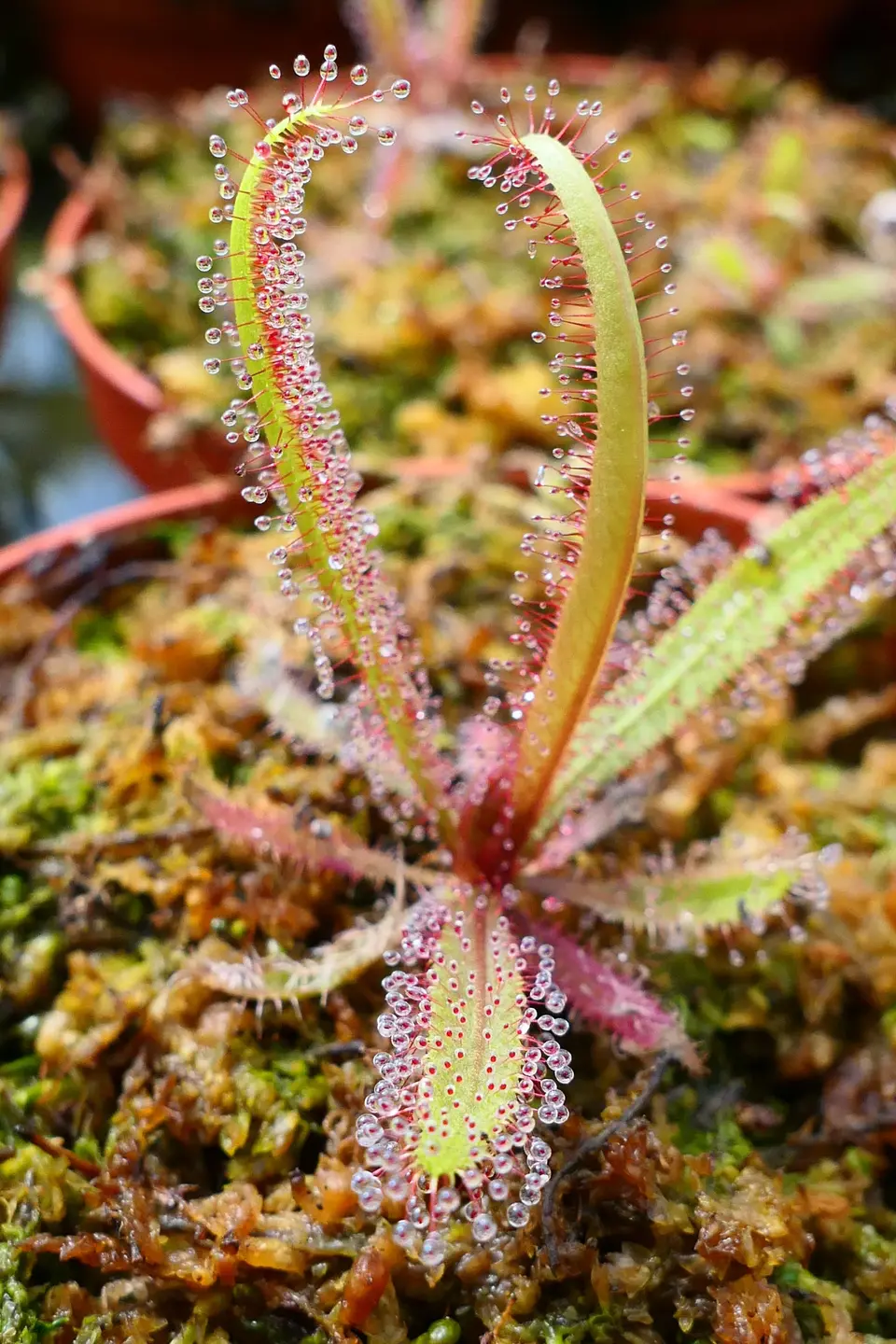
Why dehydrated sphagnum moss meets these requirements
Dehydrated sphagnum moss has characteristics that closely match the requirements of carnivorous plants.
Its water-retention capacity helps to keep the growing medium constantly moist, which is essential for most carnivorous species. Water is retained within the fibres without creating waterlogged or stagnant areas, thereby reducing the risk of root rot.
At the same time, sphagnum’s fibrous structure ensures excellent aeration. Even when damp, it retains air spaces that allow the roots to breathe. This balance between moisture and oxygenation is difficult to achieve with more compact growing media.
Another key point is that dehydrated sphagnum moss is naturally low in nutrients. It does not introduce any undesirable mineral elements and does not interfere with the specific feeding habits of carnivorous plants, which rely on trapping insects rather than root absorption.
A stable substrate that degrades slowly over time
One of the recurring problems in the cultivation of carnivorous plants is the gradual breakdown of the growing medium. Many organic materials decompose rapidly in a moist environment, releasing substances that become harmful to the roots.
Dehydrated sphagnum moss is characterised by its low tendency to decompose. Thanks to its natural properties and low nutrient content, it degrades slowly when used under the right conditions. This stability is particularly beneficial for plants that do not tolerate frequent repotting well.
A stable growing medium helps to maintain a healthy environment around the roots for longer, whilst limiting the occurrence of fungal diseases associated with the decomposition of organic matter.
Dehydrated sphagnum moss as a pure growing medium or in a mixture
When growing carnivorous plants, dehydrated sphagnum moss can be used in various ways, depending on the species and the aims of cultivation.
Used on its own, it provides a highly aerated growing medium that is easy to manage. This approach is often chosen for seedlings, cuttings or reviving weakened plants, as it offers a safe and consistent environment.
Dehydrated sphagnum moss can also be incorporated into mixtures, particularly with other nutrient-poor and acidic growing media. In this case, it improves the overall structure of the mixture, increases water retention and minimises compaction over time. The aim is not to nourish the plant, but to optimise the physical properties of the growing medium.
The precise composition depends on the species being grown and will be discussed in more detail in specific articles.
The importance of sphagnum quality for carnivorous plants
Not all dehydrated sphagnum moss is created equal, and this point is particularly crucial for growing carnivorous plants. Poor-quality sphagnum moss, which is too fragmented or laden with impurities, can quickly lose its properties and compromise the stability of the growing medium.
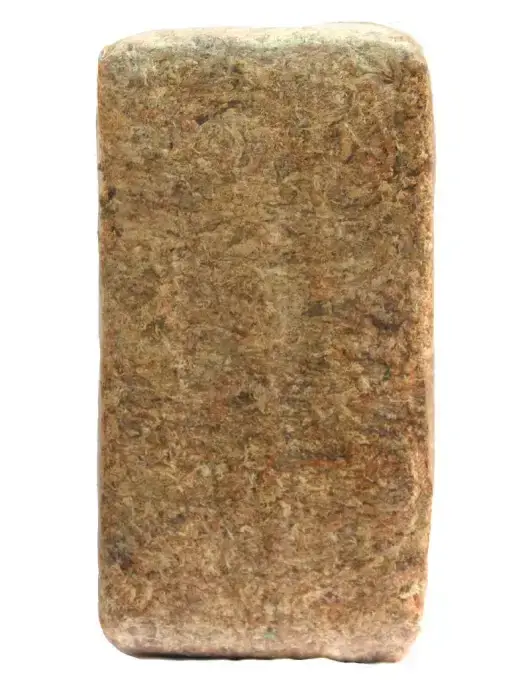
Long, clean fibres allow for better air circulation and more even water retention. Conversely, sphagnum moss that is very dusty or degraded tends to become compacted, which is detrimental to the needs of carnivorous plant roots.
The origin of the sphagnum moss, the harvesting conditions and the care taken during packaging play a decisive role in these differences. For plants as sensitive as carnivorous plants, the quality of the growing medium must never be overlooked.
Preparation and use in carnivorous plant cultivation
Before use, dried sphagnum moss must be properly rehydrated with suitable, low-mineral water. This step allows the fibres to regain their volume and suppleness.
When potting, it is important to maintain an aerated structure and avoid excessive compaction. Sphagnum moss must remain supple and moist, but never compacted. Good water management and sufficient aeration are essential to preserve its properties in the long term.
These practical aspects will be covered in greater detail in articles dedicated to the preparation and maintenance of substrates for carnivorous plants.
A growing medium consistent with the biology of carnivorous plants
Dehydrated sphagnum moss is not merely a matter of convenience. It forms part of a cultivation approach that respects the biology of carnivorous plants and their natural needs.
By replicating certain characteristics of the plants’ natural habitats — constant humidity, low nutrient levels, acidity and stability — it helps to minimise the stress and common mistakes encountered in artificial cultivation.
When used correctly and chosen with care, dehydrated sphagnum moss is therefore a growing medium particularly well-suited to carnivorous plants, both for delicate growth stages and for sustainable, long-term cultivation.
Conclusion
Dehydrated sphagnum moss has established itself as the go-to growing medium for carnivorous plants, and for good reason. Its ability to retain water without suffocating the roots, its stability and its minimal degradation in a damp environment make it a material well-suited to the biological requirements of these plants.
When properly understood and combined with suitable water and high-quality sphagnum moss, it ensures successful cultivation and significantly reduces substrate-related problems. For growers wishing to provide their carnivorous plants with a stable and controlled environment, dehydrated sphagnum moss remains a particularly suitable choice.
FAQ – Dehydrated sphagnum moss
What is dried sphagnum moss and where does it come from?
Dehydrated sphagnum moss is a natural moss found mainly in peat bogs. It is harvested and then dried to preserve its fibrous structure and physical properties, whilst halting its biological activity.
What is the difference between dried sphagnum moss and peat?
Dehydrated sphagnum moss consists of intact, airy fibres, whilst peat is a much more decomposed material. Sphagnum moss provides better aeration and a more stable structure over time.
Why does dried sphagnum moss retain so much water?
Its fibres have a cellular structure capable of absorbing and storing large quantities of water whilst redistributing it evenly, without creating saturated areas.
Can dried sphagnum moss go mouldy over time?
When used correctly, it shows very little tendency to decompose. Its low nutrient content and natural antiseptic properties limit the growth of the agents responsible for rot.
For which plants is dried sphagnum moss best suited?
It is particularly suitable for plants that require high humidity and excellent ventilation, such as orchids, carnivorous plants, certain ferns and bromeliads.
Should you fertilise a culture grown in dried sphagnum moss?
As dried sphagnum moss is naturally low in nutrients, controlled fertilisation is generally required, tailored to the plant’s needs, with a preference for small, carefully controlled doses.
For sale in the Karnivores shop
Love Growing guide & tips? Don't miss our plants and exclusive offers in the online shop.
Read next
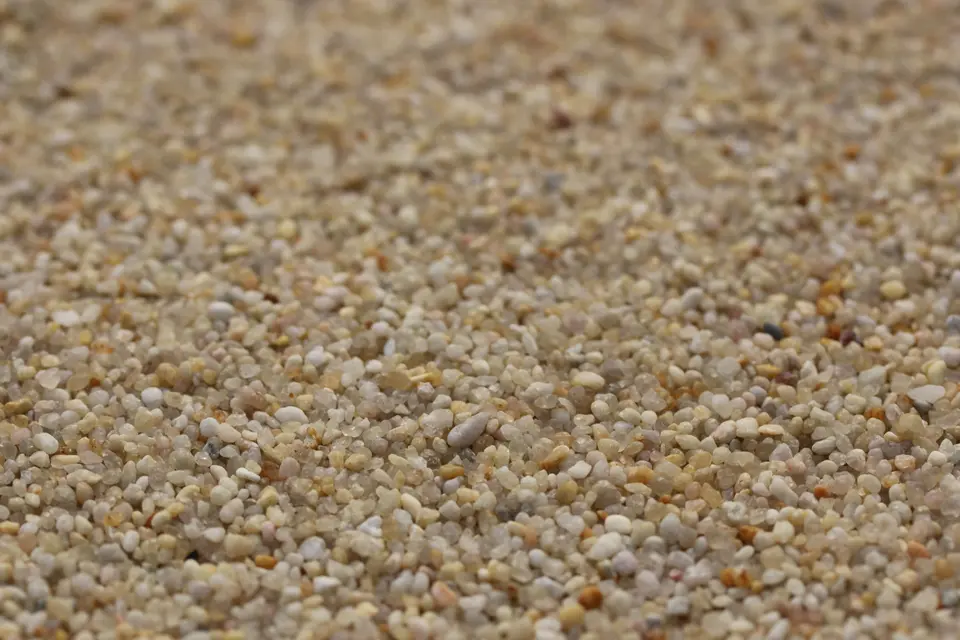
Quartz sand for carnivorous plants: what is it used for and how do you use it?
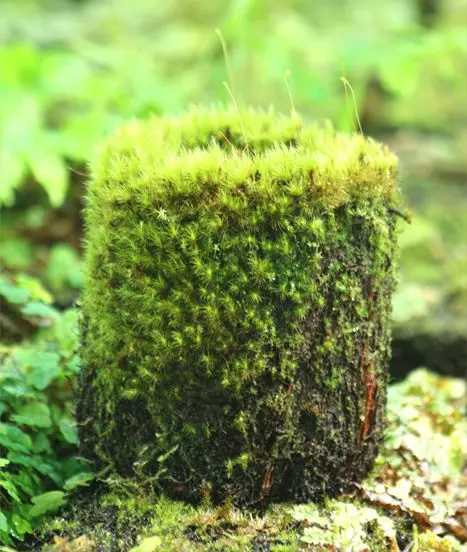
How to care for and maintain xaxim in a terrarium and a tropical greenhouse
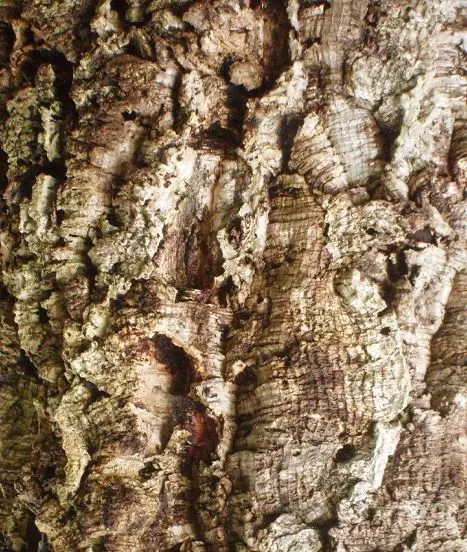
Cork oak bark: an ideal natural substrate for epiphytic plants and terrariums
Free delivery on orders of €59 or more until midnight on Sunday
Oxalis triangularis: growing, care and tips
Dicksonia sellowiana: an iconic tree fern of the xaxim