
Asplenium trichomanes: wall fern – growing, origin and tips
Introduction
Asplenium trichomanes, also known as ‘wall hair fern’, is a small, evergreen fern that is widespread in the temperate regions of Europe, Asia and North America. Unobtrusive yet particularly elegant, it grows naturally in rock crevices, old walls and damp cliffs, often in places where few other plants can survive.
Known since ancient times, it is one of the species officially described by Carl von Linné in *Species Plantarum* in 1753 under the name *Asplenium trichomanes L.* *Species Plantarum*. Its light silhouette and delicate fronds have enabled it to endure through the centuries as an iconic plant of rocky habitats and shaded gardens.
An ancient and easily recognisable fern
As early as the Middle Ages, Asplenium trichomanes appeared in European herbariums under various vernacular names linked to the slender, dark appearance of its fronds. Its frequent occurrence on ancient walls, stones and cliffs made it a familiar sight to travellers and naturalists.
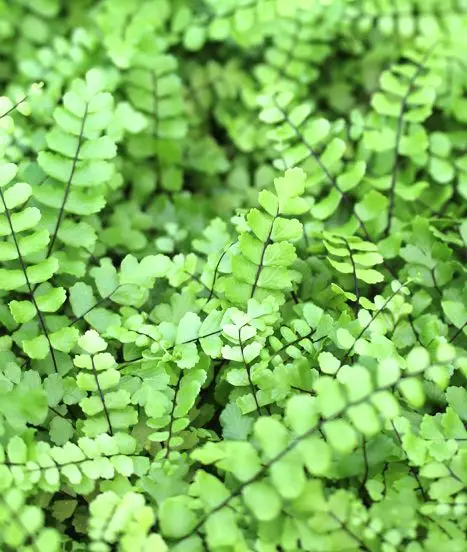
Botanically, this fern belongs to the family Aspleniaceae. It forms compact clumps, generally ten to thirty centimetres tall. Its rhizome is short and covered with small, dark scales.
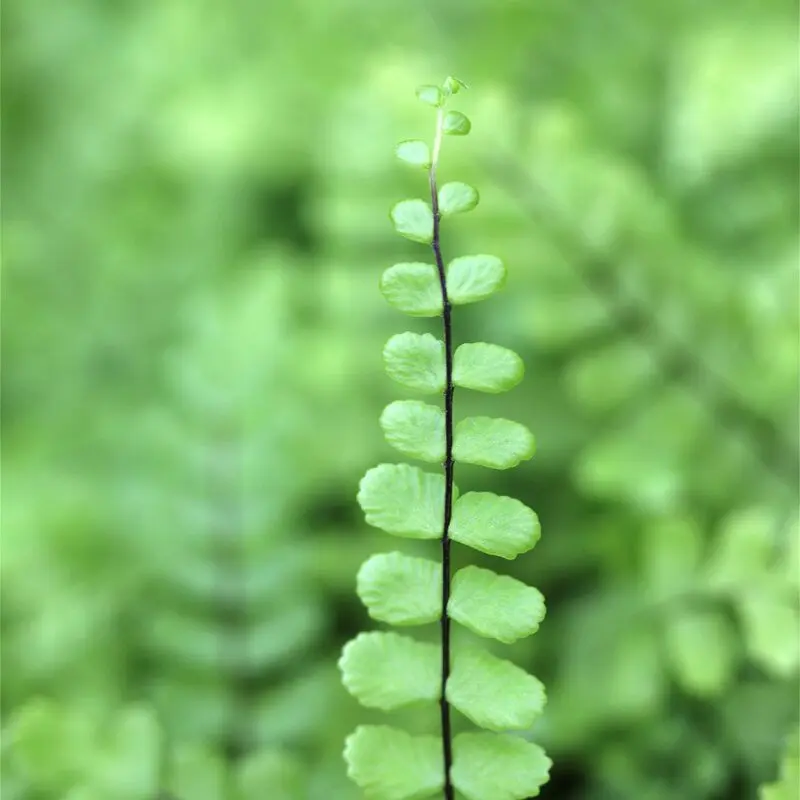
Its evergreen fronds are slender, narrow and borne on a glossy brown to black petiole, characteristic of the species. The frond blade is composed of numerous small, rounded or oval pinnules, ranging from light green to dark green, arranged regularly along the rachis.
Beneath the fronds, sori develop – small clusters containing spores, protected by a membranous indusium. Like all ferns, Asplenium trichomanes produces neither flowers nor seeds; its reproduction relies entirely on the dispersal of spores.
Cultivation and use in the garden
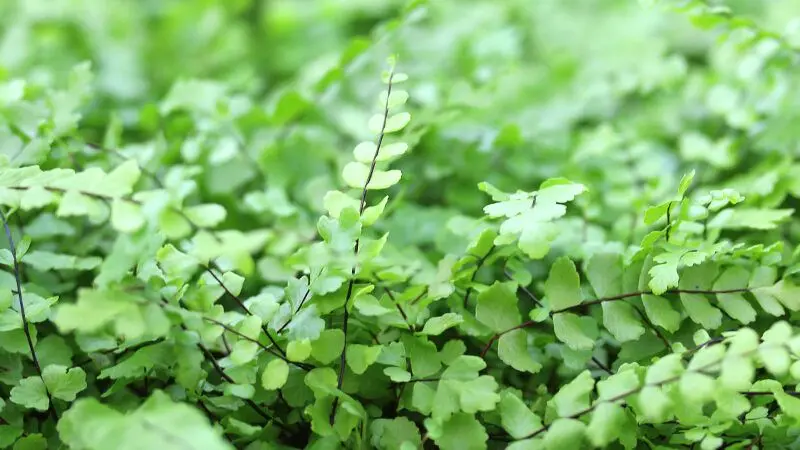
The horticultural appeal of Asplenium trichomanes lies in its hardiness, compact size and delicate appearance. This fern is ideal for damp rockeries, green walls, rock gardens or shaded areas.
Its ability to grow in cracks and between stones makes it easy to create natural and highly striking arrangements. Hardy and relatively undemanding, it requires little maintenance once established.
When grown in cultivation, it particularly thrives in cool conditions, a well-drained substrate and good air circulation. It can be used in certain rocky terrariums or miniature arrangements, although it generally prefers less confined conditions than classic tropical ferns.
Its slow and steady growth also makes it an excellent fern for beginners or for collections of small ferns.
An important fern for rocky habitats
In the wild, Asplenium trichomanes plays an important role in rocky ecosystems. It is one of the first plants capable of colonising rock crevices and surfaces poor in organic matter.
Its root system helps to trap particles and stabilise micro-cracks. Over time, the decomposition of its fronds helps to slightly enrich the substrate and encourages the gradual establishment of other plant organisms.
Its presence also provides a refuge for many small invertebrates living in damp rocky habitats.
Conclusion
Asplenium trichomanes is an unassuming yet particularly interesting fern, both botanically and horticulturally. Its hardiness, natural elegance and ability to thrive in harsh environments have made it a much-loved species for centuries.
Perfect for shaded gardens, rockeries or old walls, it perfectly illustrates the ability of ferns to colonise habitats where few other plants can establish themselves permanently.
FAQ – Asplenium trichomanes
Where does Asplenium trichomanes grow naturally?
Asplenium trichomanes grows mainly in rock crevices, old walls, cliffs and cool or shaded rocky habitats.
Is Asplenium trichomanes a hardy fern?
Yes, it is a hardy fern that withstands the cold well when planted in the right conditions.
Can Asplenium trichomanes be grown in a pot?
Yes, it can be grown in a pot, provided you use a well-drained growing medium and keep it in a cool environment, without any excess of stagnant moisture.
Is Asplenium trichomanes suitable for terrariums?
It may be suitable for certain rocky or well-ventilated terrariums, but it generally prefers good air circulation rather than a humid tropical atmosphere.
What sort of location should I choose for Asplenium trichomanes?
It thrives in shaded or semi-shaded spots, close to its natural habitat of old walls, rockeries and damp crevices.
Does Asplenium trichomanes produce flowers?
No, like all ferns, Asplenium trichomanes produces neither flowers nor seeds. It reproduces via spores.
For sale in the Karnivores shop
Love Exotic animals and terrariums? Don't miss our plants and exclusive offers in the online shop.
Read next
Cyrtomium fortunei: an evergreen fern ideal for shaded areas
Ficus pumila: growing, care and tips
How to secure the xaxim in a terrarium so that it stays in place safely and securely
Plectranthus ernestii: an ideal, striking plant for a terrarium
A comprehensive guide to growing Neoregelia in a terrarium
Ophiopogon japonicus 'Nanus': The minimalist 'lawn'