
A comprehensive guide to growing Neoregelia in a terrarium
Introduction
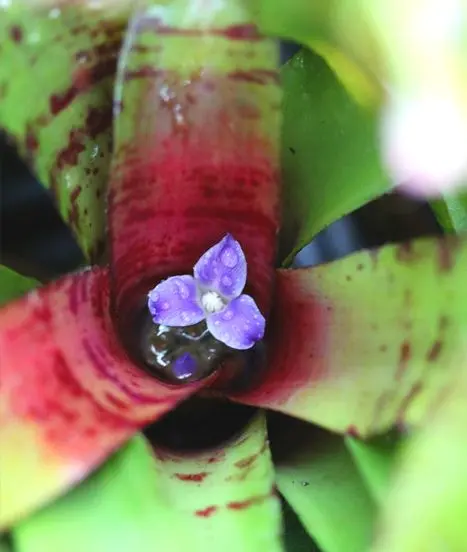
**Neoregelia**s are plants belonging to the Bromeliad family, native to the tropical forests of South America, particularly Brazil. In a terrarium, they can add an exotic, structured and highly decorative touch thanks to their rosette of colourful leaves and their form, which is well-suited to humid environments.
In this guide, I share best practices for successfully growing them in a terrarium: choice of equipment, growing conditions, care, mistakes to avoid and specific advice for terrariums.
1. Origin & characteristics of the plant
- The genus Neoregelia comprises over 100 recognised species, and more than 5,000 hybrid cultivars are available for sale.
- These plants are epiphytes: in their natural habitat, they do not grow in soil but attach themselves to tree branches. Their root system is mainly used for clinging, not for absorbing the majority of nutrients.
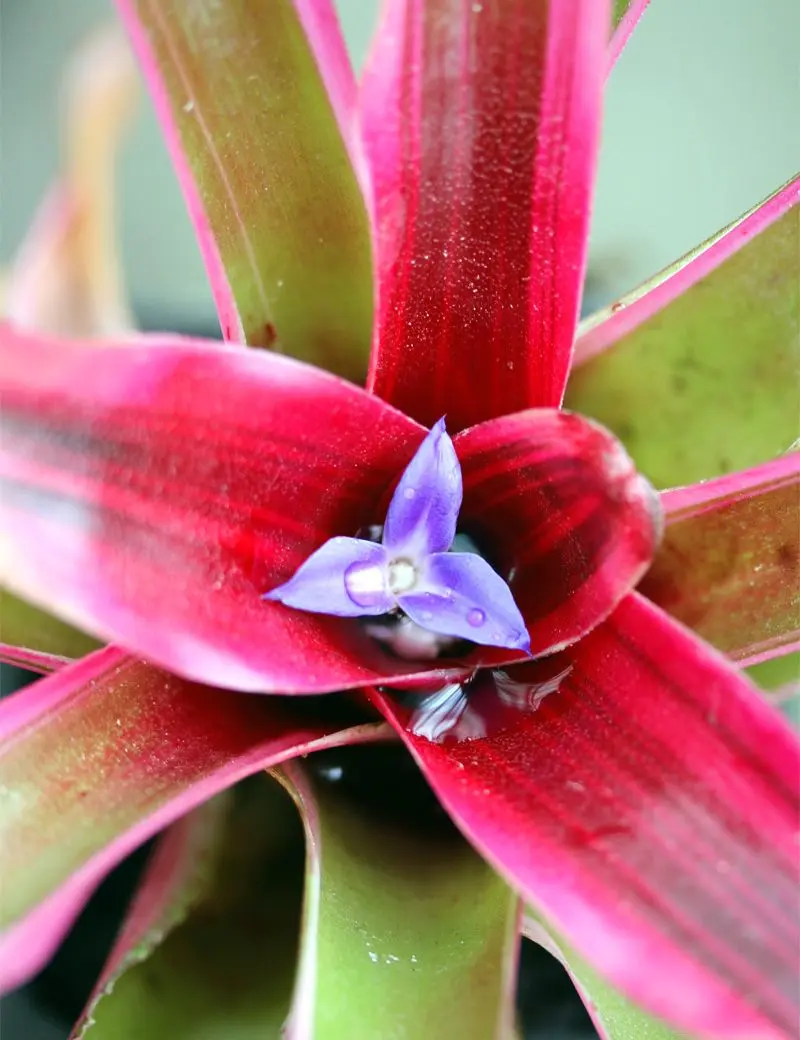
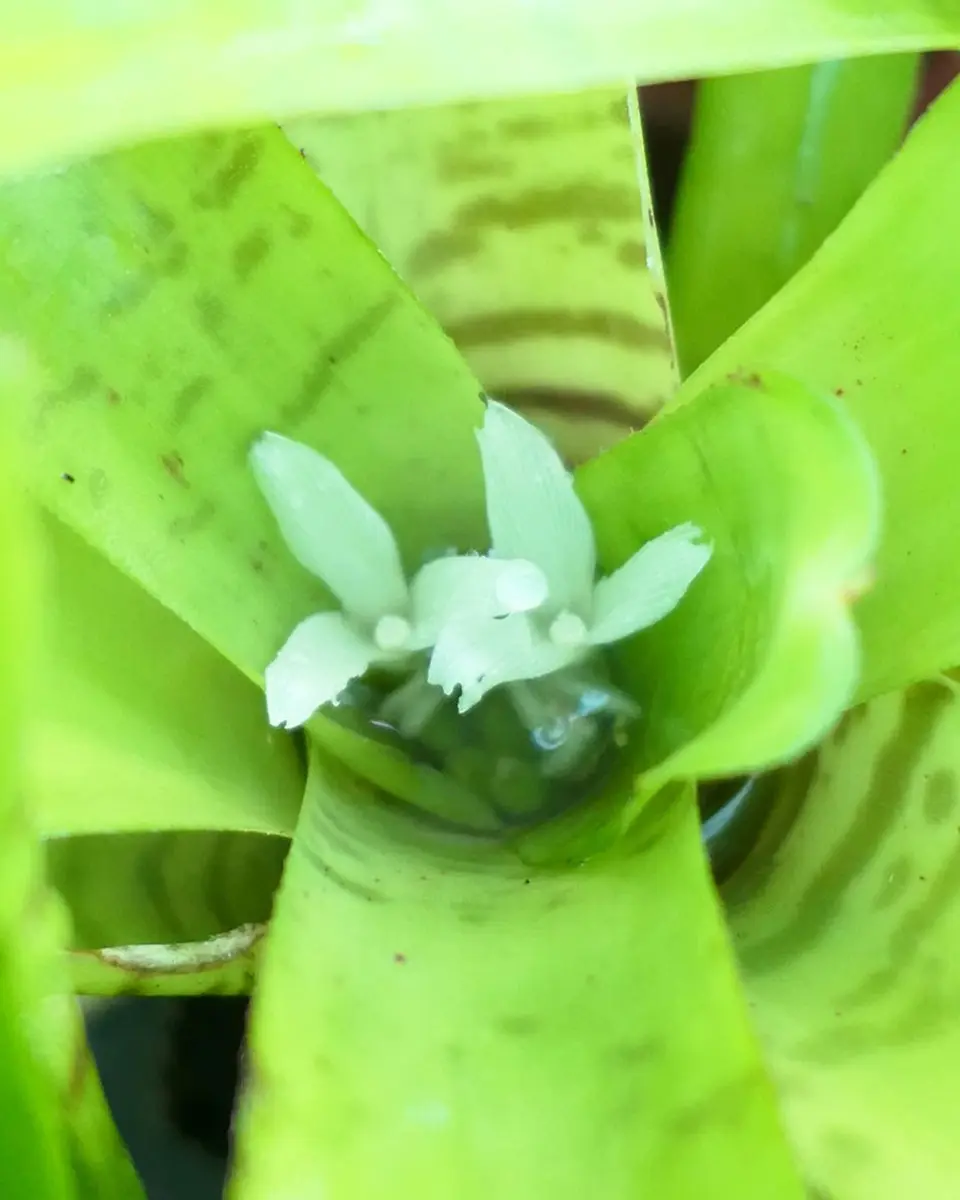
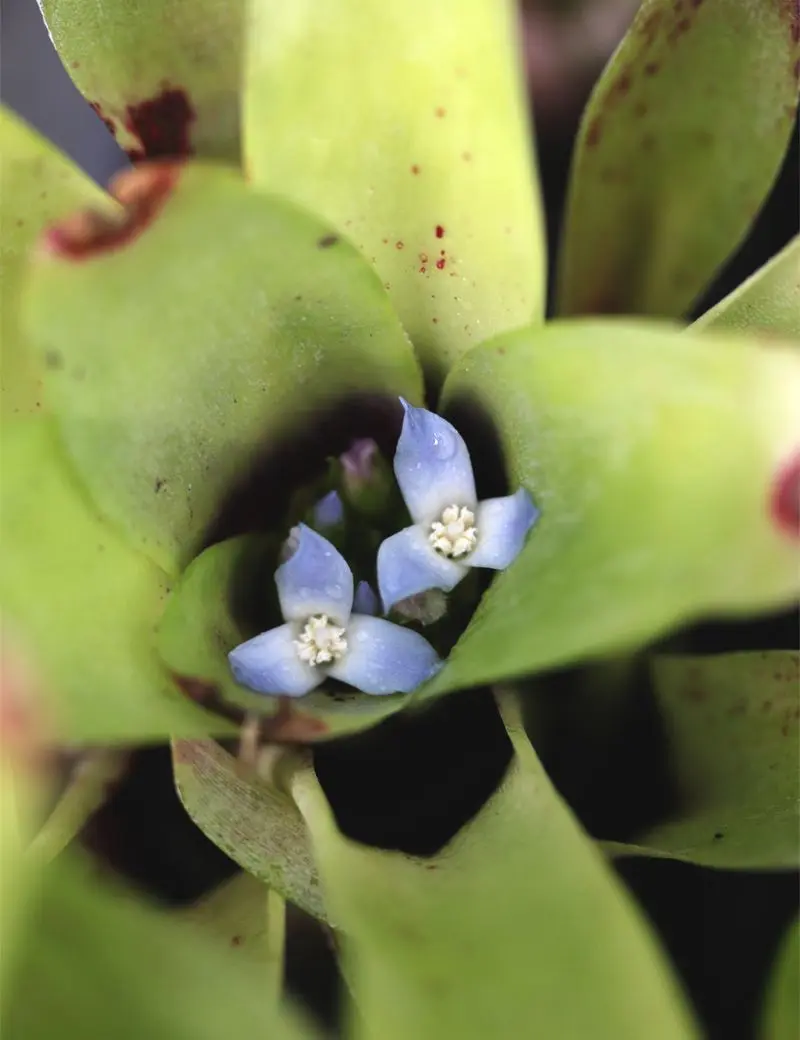
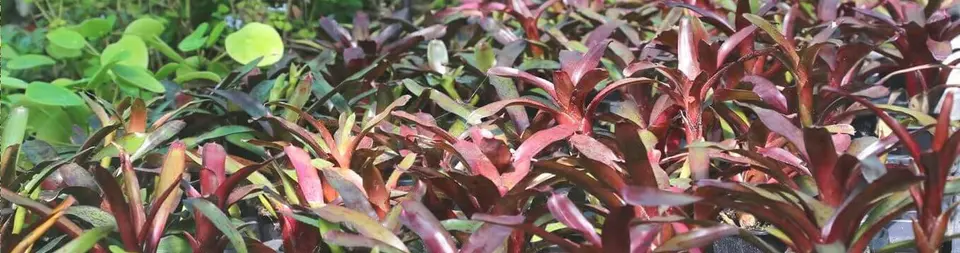
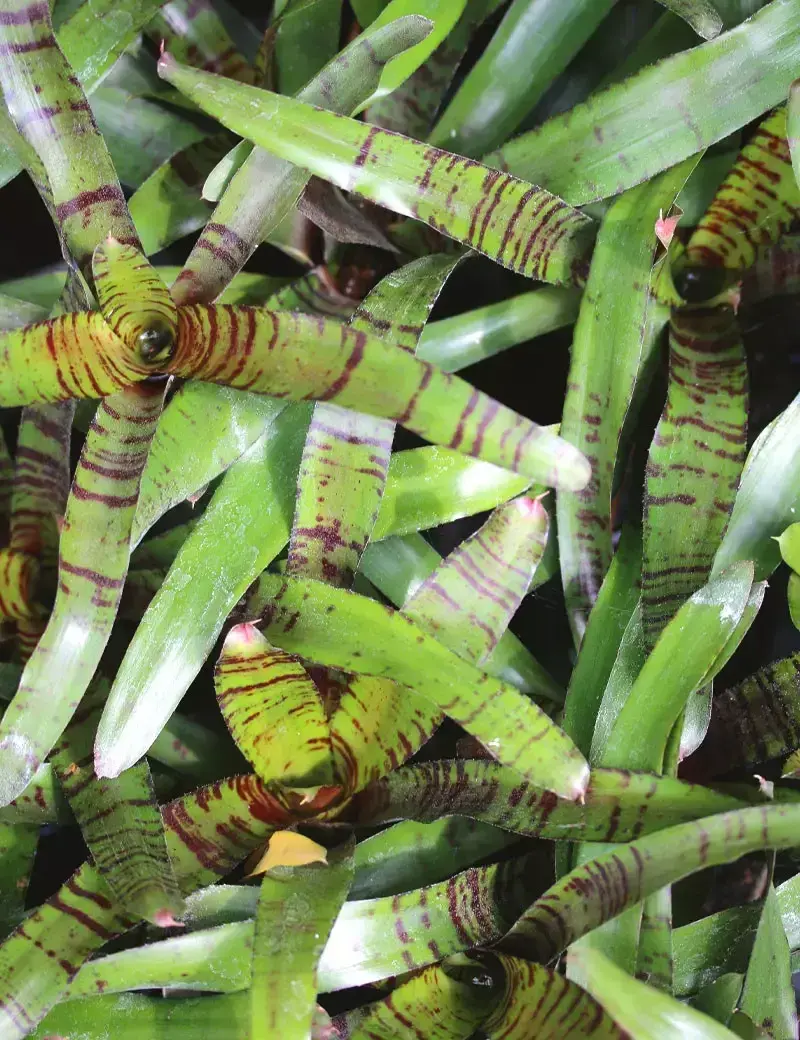
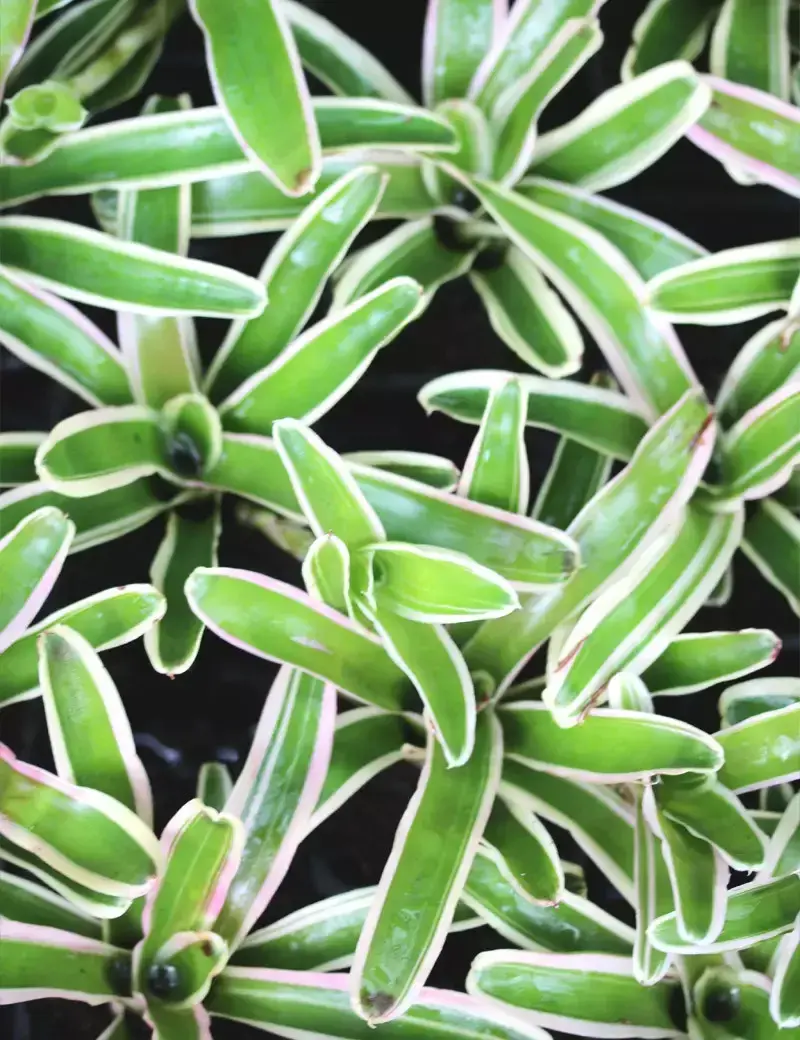
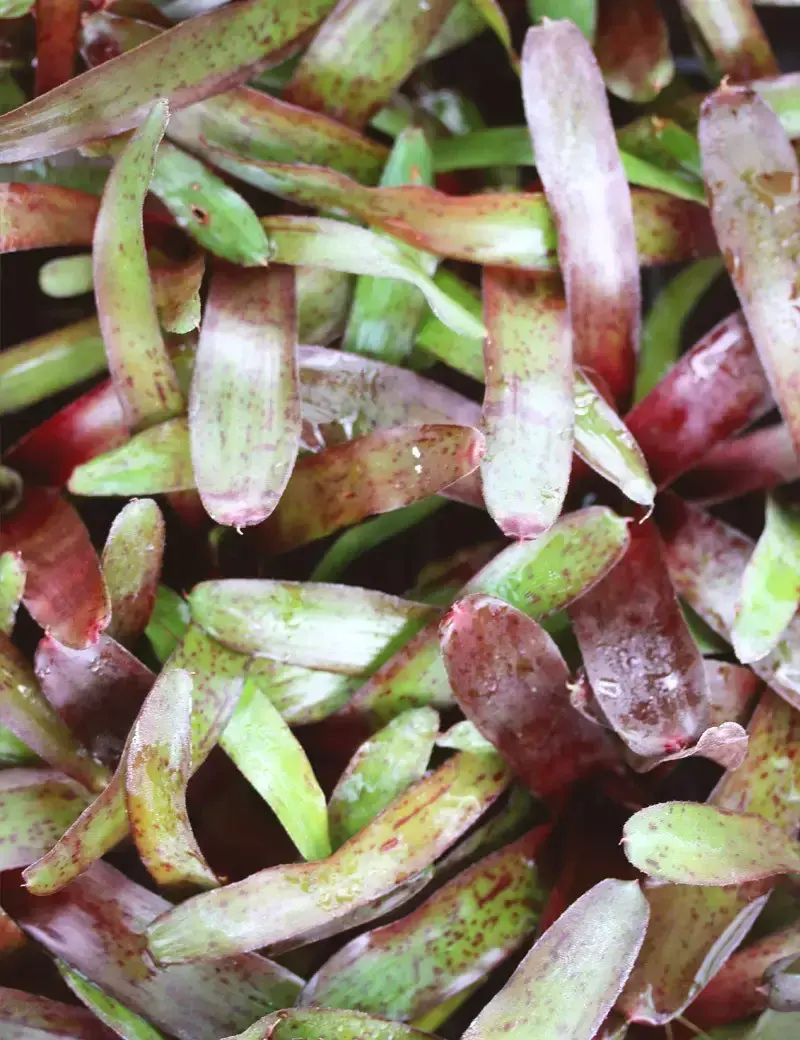
- They form a rosette of fleshy leaves, often coloured (red, pink, white, bright green) or variegated. They are prized as ornamental plants as much for their leaves as for their flowers, which, although small, appear in the central depression.
- The water reservoir: the rosette collects water, which is a key factor to bear in mind when growing them.
2. Why grow them in a terrarium?
- A terrarium mimics a humid environment that is perfectly suited to Neoregelia. The Plantecarnivore blog highlights the value of Neoregelia for terrariums housing frogs or other tropical animals.
- Aesthetically, the plant offers beautiful colours and a rosette-like structure that enhances the décor.
- It helps maintain humidity levels in the terrarium thanks to its water reservoir and the evaporation contained within the terrarium, which can benefit the terrarium’s inhabitants.
3. Growing conditions in a terrarium
3.1 Light
- Neoregelias thrive in bright but indirect light. Direct sunlight can scorch the leaves.
- In a terrarium, opt for LED or fluorescent lighting designed for plants, ensuring the plant is not placed directly against the hot glass of a halogen lamp or similar.
3.2 Temperature & humidity
- Ideal temperature: approximately 5 °C to 28 °C, depending on the source.
- High humidity: as a tropical plant, it copes well with a humid environment. It is helpful to mist the leaves or ensure a good level of humidity.
- A drop in temperature during the winter months is particularly beneficial for the growth of Neoregelia.
3.3 Substrate & anchoring
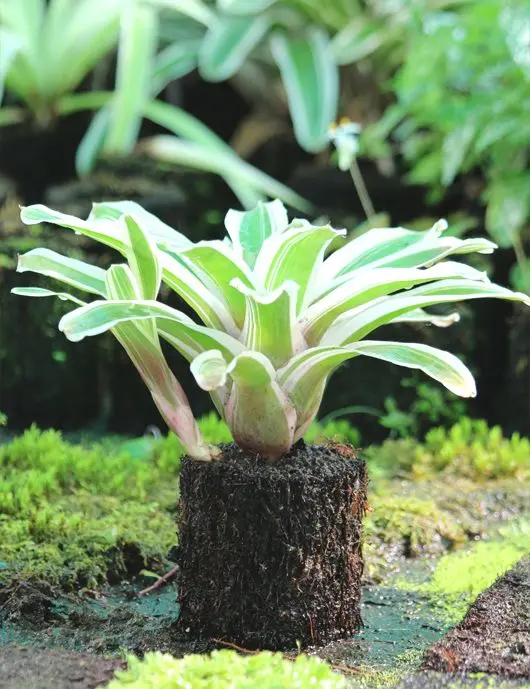
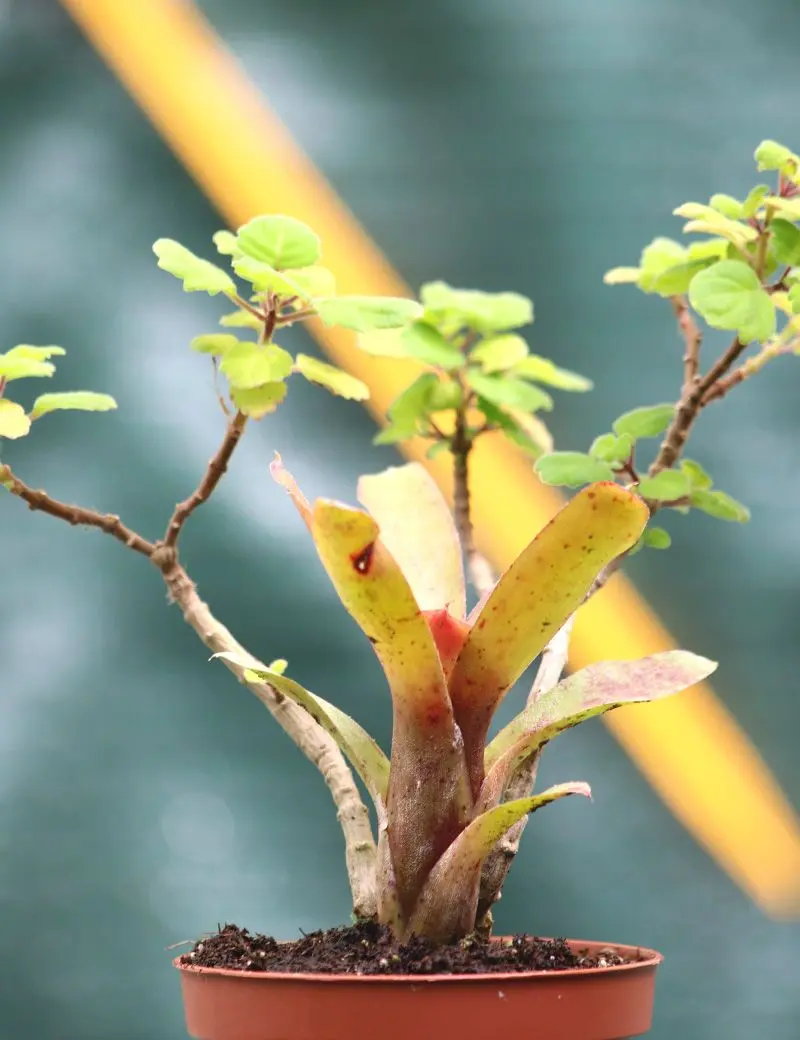
- Although the plant is epiphytic, in a terrarium you can use a light substrate or attach it to a piece of bark, a piece of xaxim or a mounting-type support. Karnivores.com offers a suitable mix: peat, coconut fibre and pine bark.
- If mounted on a support, ensure that it is securely fastened (with a cable tie, fine stainless steel wire, etc.) and that the roots can breathe properly.
3.4 Watering & water reservoir
- Fill the plant’s central reservoir (cup) regularly with rainwater or osmosis water, avoiding tap water that is too hard.
- Keep the growing medium slightly moist, but avoid excess standing water which could cause the plant to rot. In winter, water a little less frequently.
- Make sure to empty any accumulated water if it becomes stagnant or cloudy, and avoid the build-up of debris in the rosette.
4. Care & propagation
- After flowering, the mother plant may gradually decline: offshoots (or ‘pups’) will appear around it. These offshoots can be separated when they reach about two-thirds the size of the mother plant.
- Keep an eye on the colour of the leaves: a healthy colour is a sign of good light exposure and vitality, but discoloured or scorched foliage indicates excessive light or stress.
- Clean the central rosette regularly to prevent the build-up of dead leaves or fine debris.
- Apply a very dilute fertiliser once a month during active growth, but use sparingly (as the leaves can ‘burn’ if the fertiliser is too concentrated).
5. Key points & common mistakes to avoid
Things to avoid
- Intense direct light: causes scorching.
- Waterlogged or stagnant substrate: promotes root rot or rot in the centre of the rosette.
- Hard or stagnant Eaun in the rosette: use rainwater or reverse-osmosis water where possible.
- Temperatures that are too low: may slow growth or damage the plant.
Advantages
- An excellent structural plant for tropical terrariums, with a wide range of highly decorative cultivars.
- Versatile: adapts to different growing media (epiphytic set-up, lightweight pot) and is suitable for indoor cultivation or in a terrarium.
- Combines aesthetics and function (water reservoir, humidity, colour): making it quite ‘useful’ within a terrarium ecosystem.
6. Placement in the terrarium
- Choose a mid-level or lower position in the terrarium, so that the rosette is not too close to a hot or dry area.
- If the terrarium houses animals (frogs, geckos, etc.), position the Neoregelia near a damp hiding place for the animal. These plants are often favoured in set-ups for Dendrobates or Phyllomédusa.
- Ensure good air circulation to prevent excessive condensation.
- Combine with other terrarium plants (ferns, mosses, tillandsias) to create a rich and cohesive display.
7. Frequently Asked Questions (FAQ)
My Neoregelia is turning green and losing its colourful patterns: what should I do?
It is probably due to insufficient light. Increase the indirect lighting slightly or change its position within the terrarium.
Can I use tap water?
Yes, but only if it has a low calcium content and if you leave it to stand for several hours or use a water softener. Ideally, use rainwater or reverse-osmosis water.
When should I separate the offshoots?
When they reach a size of about two-thirds that of the mother plant, or when the mother plant begins to decline.
Is it still in bloom?
Yes, most Neoregelias flower in their central rosette, but the flowering period is often very short, and it is afterwards that the offshoots are produced.
Conclusion
Growing a Neoregelia in a terrarium is an excellent idea if you’re looking for an exotic, colourful, vibrant and relatively easy-to-care-for plant. With good indirect light, suitable humidity, a light substrate or a good epiphytic medium, and regular attention to the water in the rosette, you’ll be able to enjoy its beauty for a long time to come. Don’t forget to monitor the conditions, clean its ‘cup’, and make the most of the offshoots to propagate your plant.
For sale in the Karnivores shop
Love Exotic animals and terrariums? Don't miss our plants and exclusive offers in the online shop.
Read next
Cyrtomium fortunei: an evergreen fern ideal for shaded areas
Asplenium trichomanes: wall fern – growing, origin and tips
Ficus pumila: growing, care and tips
How to secure the xaxim in a terrarium so that it stays in place safely and securely
Plectranthus ernestii: an ideal, striking plant for a terrarium
Ophiopogon japonicus 'Nanus': The minimalist 'lawn'