
Discovering carnivorous plants preserved in tree resin
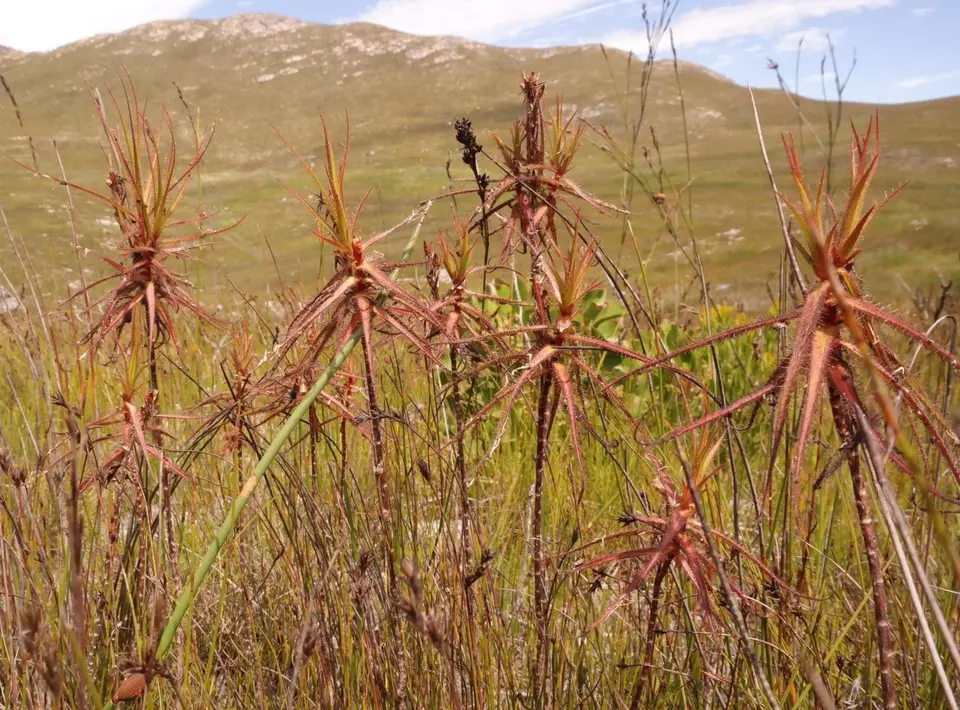
In 2014, an exceptional discovery amazed scientists: plants perfectly preserved in tree resin (see the study here). This is a rare occurrence, as the detailed preservation of plants in tree sap is unusual. Usually, insect fossils predominate because of their small size, which means they are easily encased and preserved by plant resin. These fossilised plants, dating from the Eocene epoch, are considered to be the first fossil evidence of the carnivorous plant family Roridulaceae, which is endemic to South Africa.
Roridula: A Unique Witness to the Evolution of Carnivorous Plants
Roridula’s fossilised resin represents the only instance in which carnivorous plants have been well preserved. However, this does not establish Roridula as the ancestor of carnivorous plants, as carnivorous behaviour has evolved independently at least nine times. It appears that various plant species are driven to adopt this extreme lifestyle in response to fundamental needs, notably the search for water and nutrients under harsh conditions.
Charles Darwin’s Criteria for Carnivorous Plants
If, like us at Karnivores, you find carnivorous plants unique and fascinating, you share the view of Charles Darwin, who published a book on the subject in 1875. It took scientists around 100 years to establish the current criteria defining a carnivorous plant. There are two main criteria: the ability to absorb nutrients from prey and the presence of adaptations designed to attract, capture or digest prey.
Roridula and its Unique Adaptations
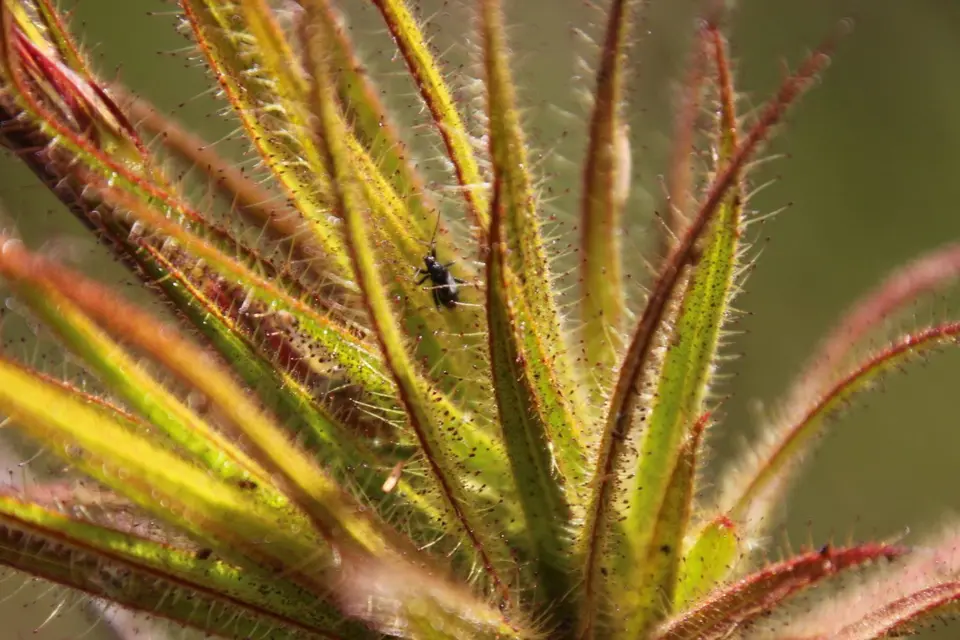
Roridula, illustrating the diversity of carnivorous plants, traps arthropods with sticky secretions derived from rubber-containing resin. However, these secretions do not digest the trapped prey. A fascinating example is the interaction with Tio, a ladybird that feeds on the captured arthropods, thereby contributing to the plant’s fertility.
Convergent Evolution: A Common Thread in the World of Carnivorous Plants
Most carnivorous plants have undergone convergent evolution, a phenomenon whereby unrelated organisms develop similar adaptations in response to different environmental conditions. This process has given rise to five different types of trap, with passive and active traps leading the way.
Diversity of Traps in Carnivorous Plants
Passive traps, such as the pitfall traps of Sarracenia, and active traps, such as those of Dioanea, employ a variety of mechanisms to capture prey. This diversity even extends to the molecular mechanisms involved in digesting prey, demonstrating that unrelated plants have developed astonishing molecular similarities!
For sale in the Karnivores shop
Love Carnivorous plants? Don't miss our plants and exclusive offers in the online shop.
Read next
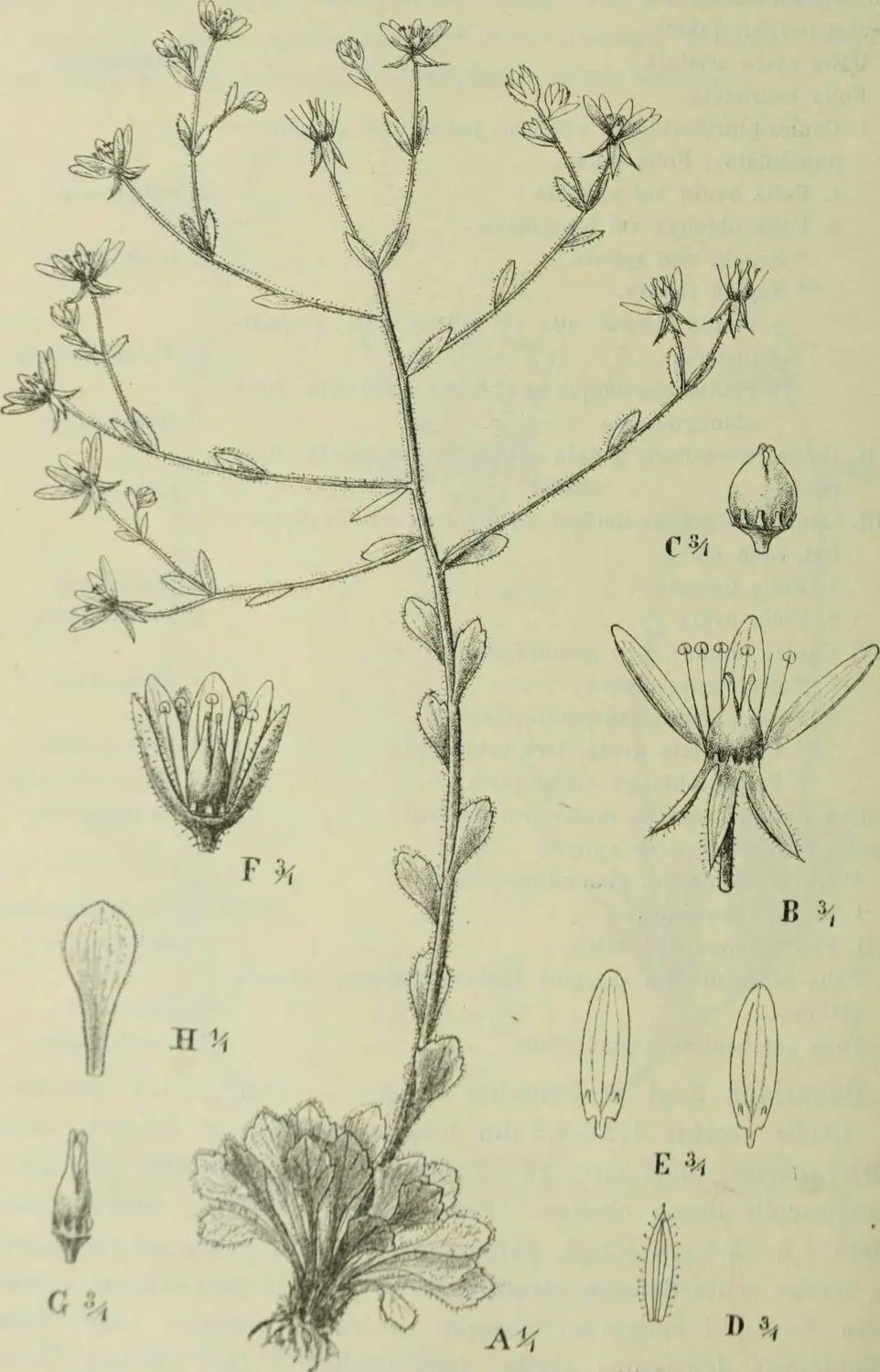
Saxifraga candelabrum: the flowering plant that confirms a 150-year-old hypothesis by Darwin
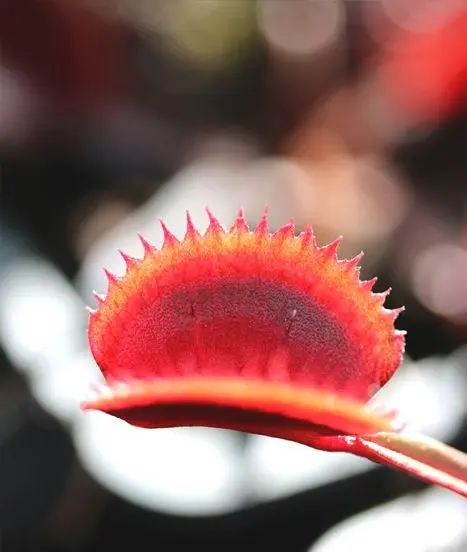
How does the Venus flytrap detect its prey? A 2025 study sheds light on its ‘sixth sense’
Growing Tillandsia from seed: a comprehensive guide to successful germination
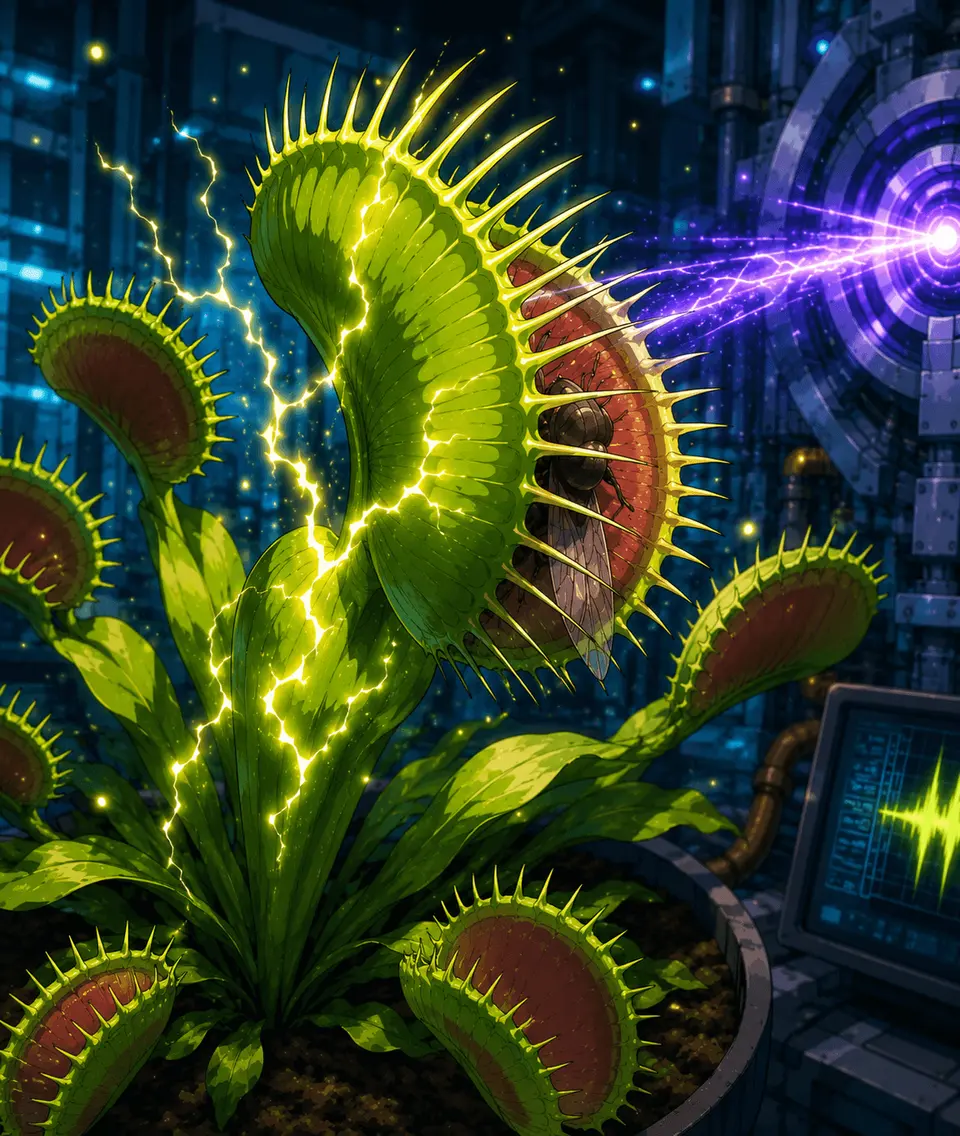
Do Dionisian traps run on electricity?
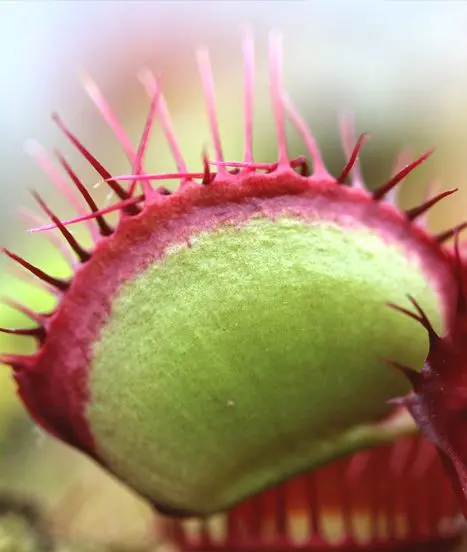
How carnivorous plants digest their prey
Which plants can you grow on xaxim?