
Dionée and flowering
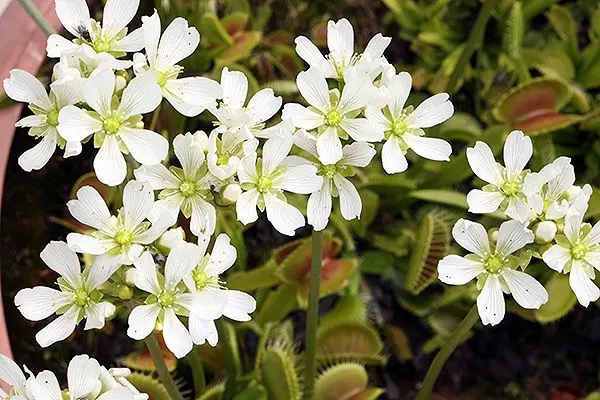
Many of you are wondering to what extent flowering weakens the Venus flytrap. The answer is yes, to a certain extent. If you’ve already gone to fetch your secateurs, do read on when you get back. In fact, this doesn’t necessarily mean you have to cut the flower stalk at all costs.
On the one hand, because the plant is likely to produce a new one quickly; and on the other hand, from a more naturalistic point of view, because it’s best to avoid ‘surgical’ interventions if they aren’t necessary… and because they rob you of the pleasure of seeing flowers and harvesting seeds, to boot.
In practical terms, if your plant is healthy, flowering will simply slow down the production of traps, which will be smaller in size. As soon as flowering ends, its growth will pick up again with a vengeance!
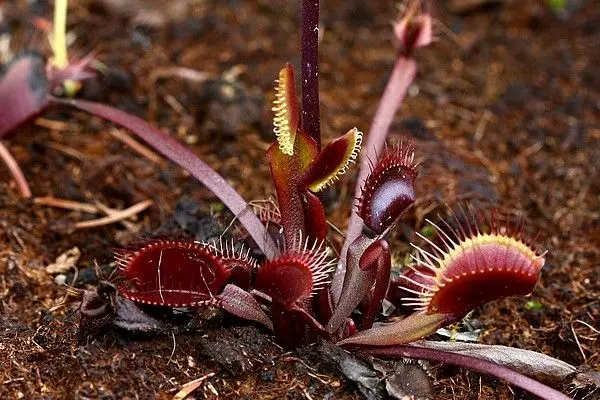
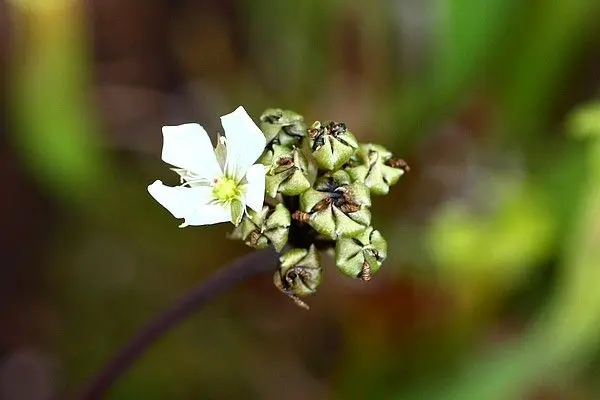
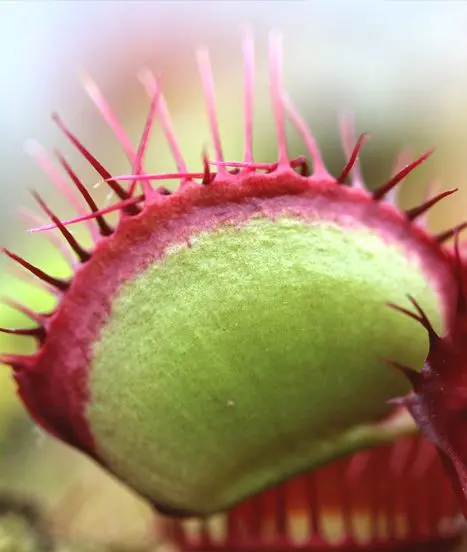
This ‘Akai Ryu’ is in the final stages of flowering. New traps are already well developed… Come on, put your secateurs down.
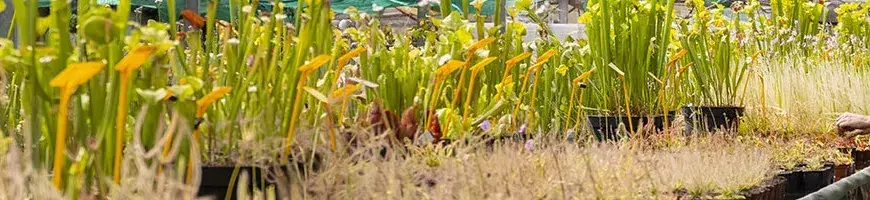
For sale in the Karnivores shop
Love Carnivorous plants? Don't miss our plants and exclusive offers in the online shop.
Read next
Saxifraga candelabrum: the flowering plant that confirms a 150-year-old hypothesis by Darwin
How does the Venus flytrap detect its prey? A 2025 study sheds light on its ‘sixth sense’
Growing Tillandsia from seed: a comprehensive guide to successful germination
Do Dionisian traps run on electricity?
How carnivorous plants digest their prey
Which plants can you grow on xaxim?