
Carnivorous plants of Northern Ontario: beauty and extreme adaptation
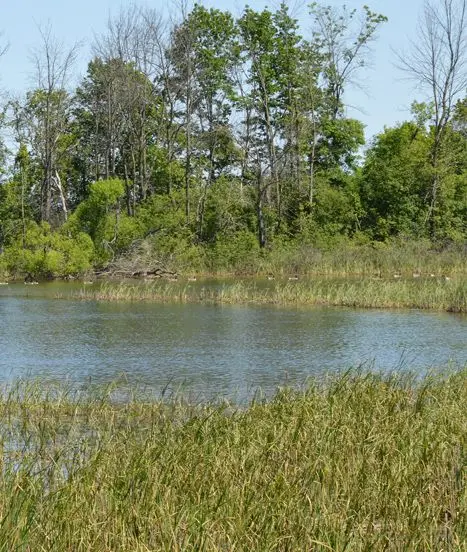
When we think of the plant kingdom, we often picture peaceful forests and harmless houseplants. Yet, in the peat bogs and marshes of northern Ontario, some plants have chosen a far more daring path: carnivorism. These rare but fascinating species are perfectly adapted to life in nutrient-poor environments.
Surviving where others fail
According to Peter Ryser, a plant ecologist at Laurentian University in Sudbury, carnivorous plants thrive where the soil lacks nitrogen and phosphorus.
To compensate for this deficiency, they have developed strategies for capturing and digesting insects – an ingenious but energy-intensive solution. This trade-off enables them to survive in environments where most plants would wither away.
Four star species from Northern Ontario
1. The purple pitcher plant (Sarracenia purpurea)
A true symbol of peat bogs, the purple pitcher plant attracts its prey with its reddish pitchers filled with a sugary liquid. Once they have fallen into the ‘cup’, the insects cannot climb back out because of the downward-pointing hairs.
Inside, a unique micro-ecosystem springs into action: sarracenia mosquitoes and midges break down the victims, thereby providing nutrients for the plant.
An astonishing fact: its flowers, perched on long stems, are positioned well away from the traps to avoid capturing the pollinators essential for its reproduction.
2. Sundews (Drosera rotundifolia, D. intermedia)
These small red plants found in damp habitats are covered in glistening tentacles, each topped with a drop of sticky mucus.
When an insect lands on one, it finds itself trapped; the leaf slowly closes, releasing digestive enzymes. After a few days, the leaf reopens, ready to start all over again.
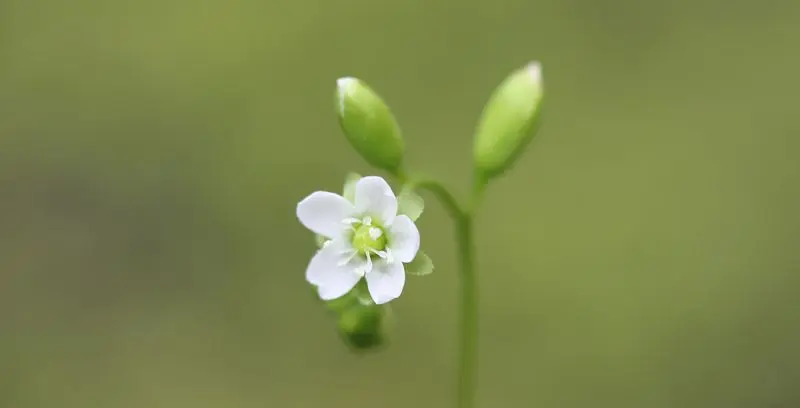
3. Bladderworts (Utricularia vulgaris)
In the still waters of the North, these floating aquatic plants capture tiny prey such as daphnia. Their traps, known as ‘utricles’, act like tiny vacuum cleaners: as soon as a sensitive hair is touched, the prey is sucked in within a few milliseconds — one of the fastest movements in the plant world!
4. The butterwort (Pinguicula vulgaris)
Found on rocky shores, particularly around Lake Superior, the butterwort attracts midges with its shiny, sticky leaves. Digested prey often leaves visible traces on them. Unlike sundews, its leaves barely curl up, just enough to retain nutrients.
Northern biodiversity to be preserved
For Peter Ryser, these plants bear witness to the incredible diversity and ingenuity of boreal flora.
They serve as a reminder that life always finds a way to adapt — even in the most hostile environments.
And whilst their reputation as ‘man-eaters’ is purely fictional, their true power—that of harnessing the infinitely small to survive—is just as fascinating.
For sale in the Karnivores shop
Love Carnivorous plants? Don't miss our plants and exclusive offers in the online shop.
Read next
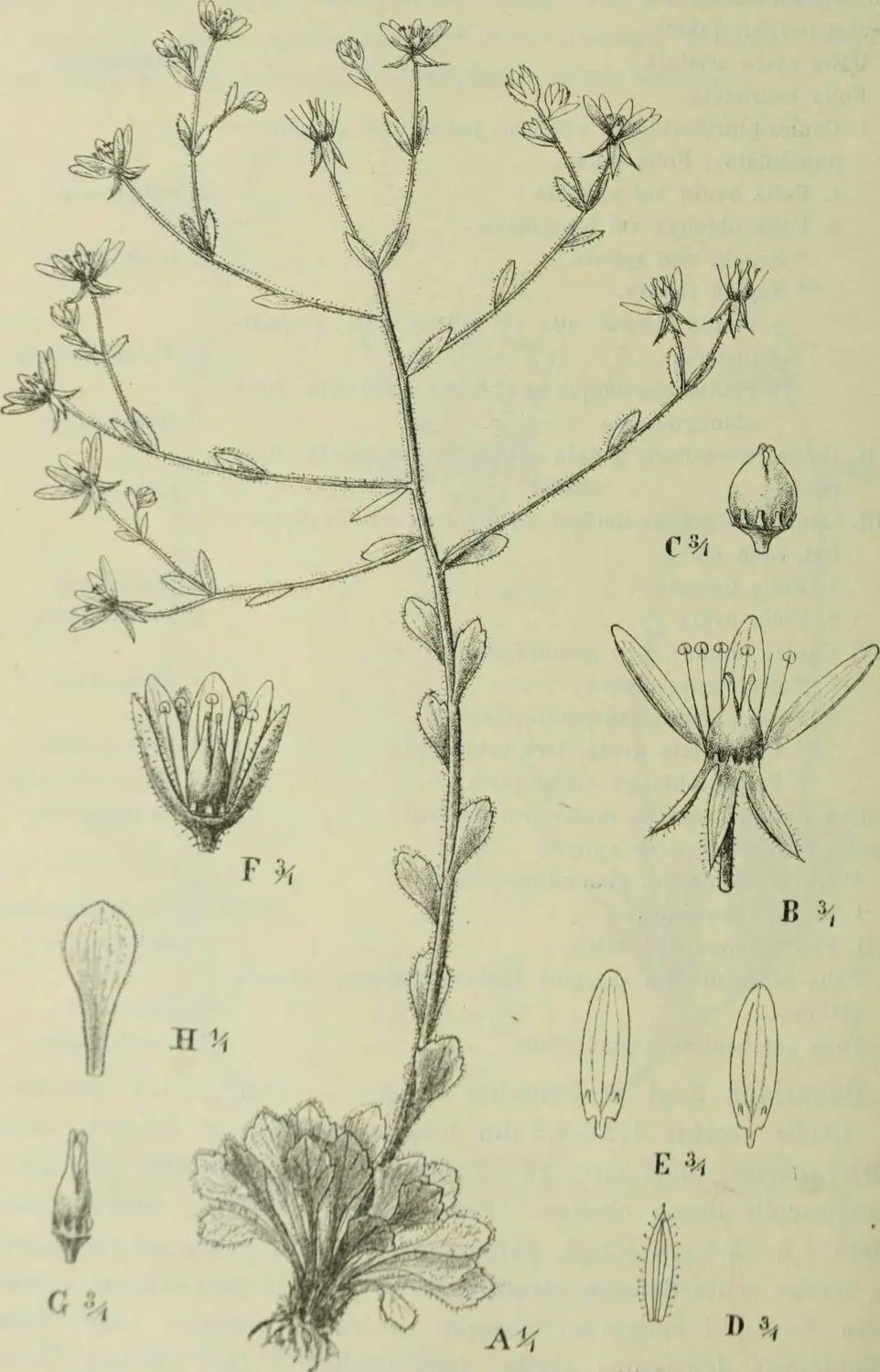
Saxifraga candelabrum: the flowering plant that confirms a 150-year-old hypothesis by Darwin
How does the Venus flytrap detect its prey? A 2025 study sheds light on its ‘sixth sense’
Growing Tillandsia from seed: a comprehensive guide to successful germination
Do Dionisian traps run on electricity?
How carnivorous plants digest their prey
Which plants can you grow on xaxim?