
Carnivorous plants and frost: how to protect your plants in winter
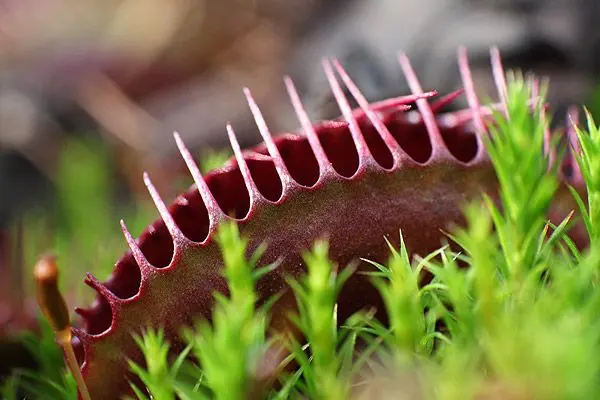
As winter approaches and the first frosts set in, ensuring the survival of your carnivorous plants deserves your full attention. In this article, find out which species can tolerate the cold, which ones need to be brought indoors, and how to overwinter your plants to keep them healthy.
Winter care for Sarracenia, Dionaea and Darlingtonia
Sarracenia and Darlingtonia are not afraid of the cold. They have a high tolerance threshold, though Sarracenia are more or less hardy. The northernmost species, S. purpurea, can remain literally frozen for several weeks, whilst the southernmost, S. leucophylla, can be weakened by a severe and prolonged frost, especially if the plant is in a small pot. The same applies to sundews, and for good reason: they grow more or less at the same latitudes. A large pot sheltered from the rain and bubble wrap in the event of prolonged frosts!
Droseras in winter?
The most commonly cultivated Droseras (D. capensis, D. aliciae, D. binata, etc.) originate from subtropical or temperate regions where frosts are very rare. The coming period is therefore not the most comfortable for them, and yet they’ll adapt to it rather than being brought indoors into a dry, warm environment!
Placing the pots against a wall, sheltered from the wind, is enough to protect them from the bite of light frosts. In the event of more severe cold, you must prevent the soil from freezing deep down so that the roots can support the growth of new plants in spring; do this by wrapping the pots in bubble wrap. Alternatives: an unheated conservatory or a garage with supplementary lighting (such as turbo-neon lights). European Drosera species such as D. intermedia and D. rotundifolia are just as hardy as Sarracenia.
Cephalotus can be kept in a terrarium, but a few months in cooler conditions will encourage both flowering and the production of larger traps.
Tropical carnivorous plants in winter
All carnivorous plants of tropical origin (Nepenthes, Heliamphora, Genlisea, Catopsis, etc.) should, of course, be kept indoors, unless you’re reading this from overseas! Pinguiculas such as P. ‘Sethos’, which is native to Mexico, are best kept cool and dry. But between a freezing outdoor environment and a warm indoor one, opt for indoors.
If you’ve found these tips helpful, subscribe to our newsletter or share the article to help other carnivorous plant enthusiasts!
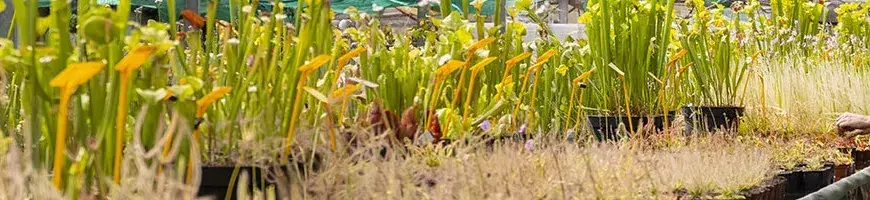
For sale in the Karnivores shop
Love Carnivorous plants? Don't miss our plants and exclusive offers in the online shop.
Read next
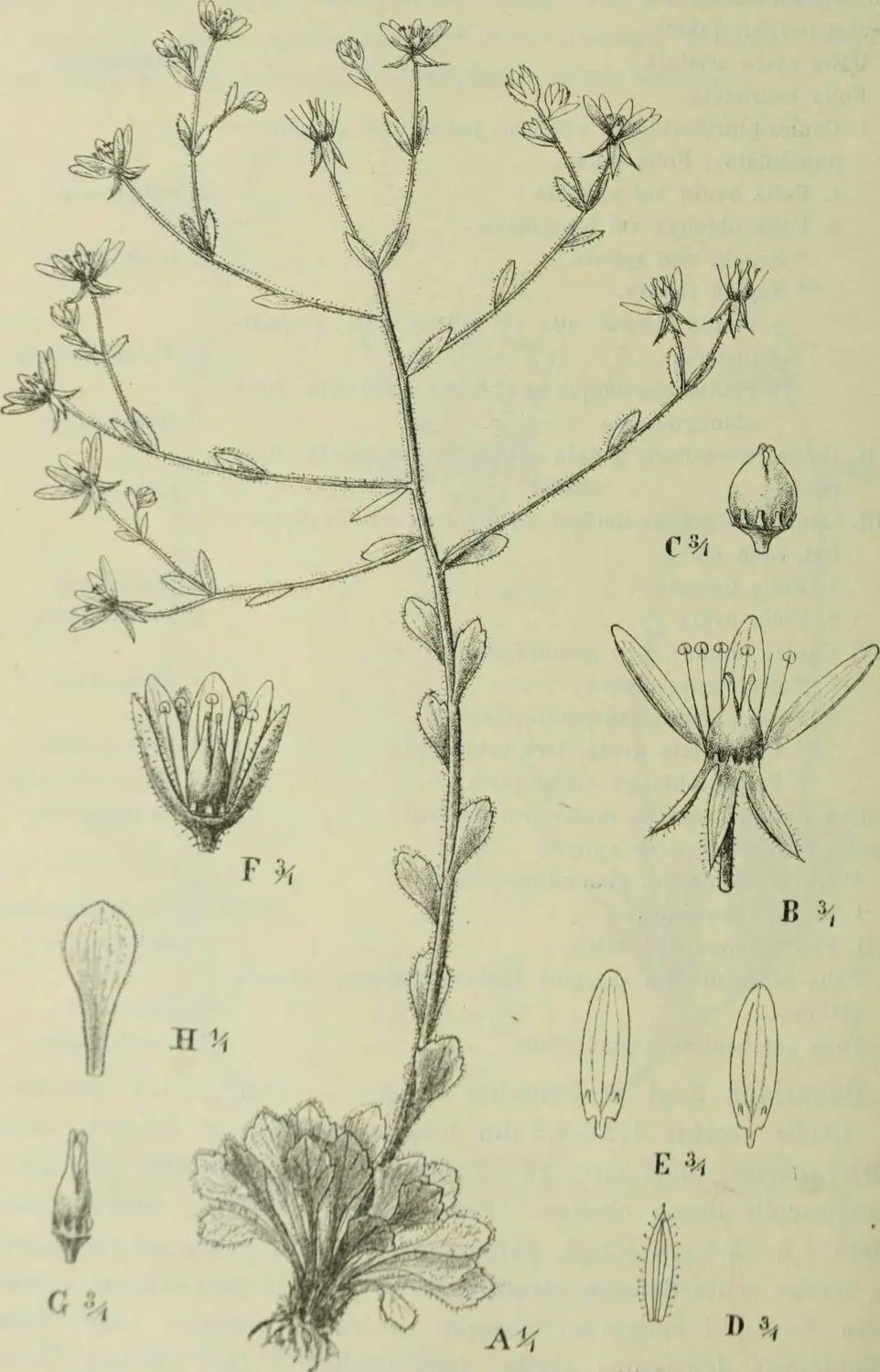
Saxifraga candelabrum: the flowering plant that confirms a 150-year-old hypothesis by Darwin
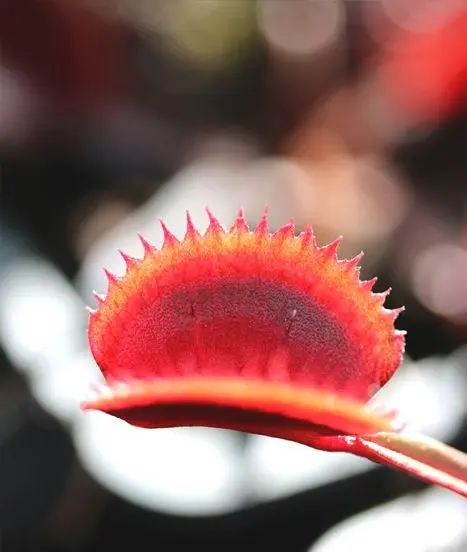
How does the Venus flytrap detect its prey? A 2025 study sheds light on its ‘sixth sense’
Growing Tillandsia from seed: a comprehensive guide to successful germination

Do Dionisian traps run on electricity?
How carnivorous plants digest their prey
Which plants can you grow on xaxim?