
Carnivorous plants: An ecological approach to controlling crop pests
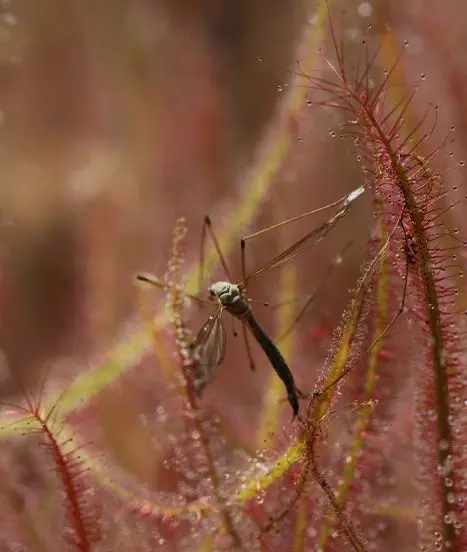
In the professional pest control sector, carnivorous plants offer an environmentally friendly and innovative solution. A far cry from traditional chemical approaches, they provide a natural and sustainable method of biological control.
For professionals in horticulture, nurseries, seed companies, garden centres and landscaping, incorporating carnivorous plants is an effective complementary strategy for managing pest insect populations, with no impact on the environment.
Specialising in trapping and digesting insects, carnivorous plants are valuable allies in controlling fruit flies, fungus gnats, whiteflies and many other insects that threaten your crops. They are particularly effective in controlled environments, such as greenhouses.

Drosera: A versatile solution for controlling insects
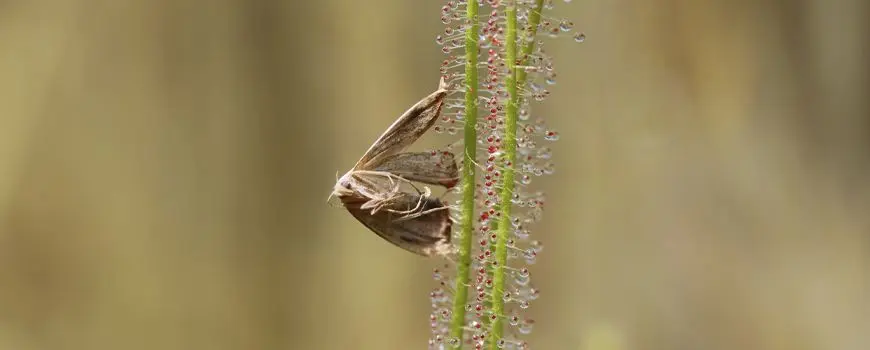
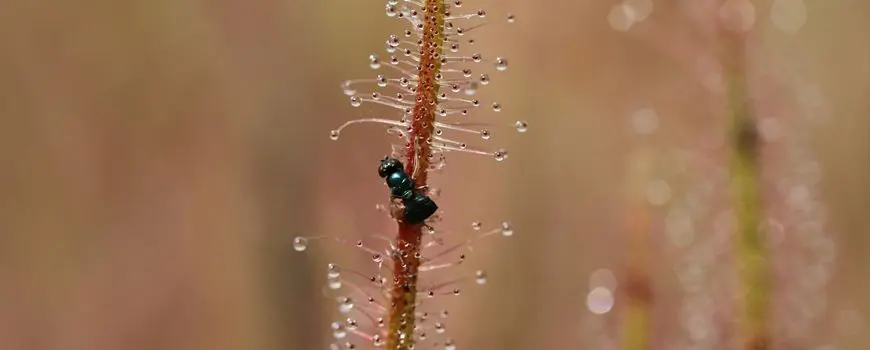
Droseras are carnivorous plants with ‘passive’ traps. They do not select the prey they capture, trapping anything that comes into contact with their mucilage (a sticky substance). They offer a twofold advantage over traditional sticky traps: not only do they eliminate insects, but the act of trapping them also stimulates the plant’s growth. The more insects there are, the more the plant grows to capture even more.
Sarracenia: Could they help combat the Asian hornet?
It is important to note that **Sarracenia**s are not the sole miracle solution against the Asian hornet. Like Droseras, they are not selective, which may affect other species, including protected ones. Furthermore, a very large quantity would be required to have a significant impact on nests containing thousands of individuals, as confirmed by a study (see Rethinking Ecology, 2018).
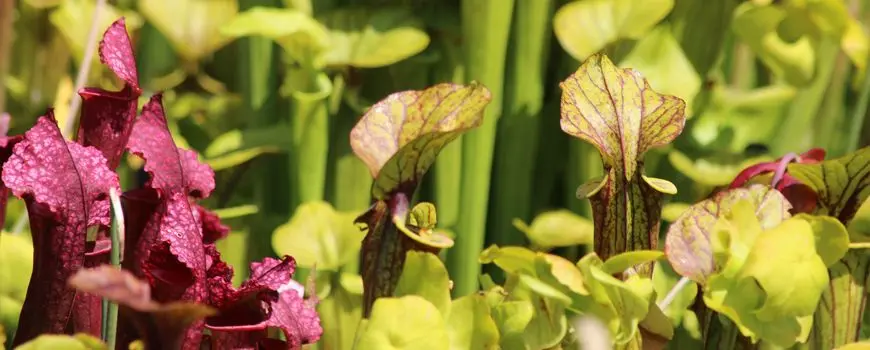
However, Sarracenias do indeed feed on Asian hornets. Using them at the start of the season, when colonies are fewer in number, can have a positive impact. Many beekeepers use them to control populations rather than to eliminate them, and report encouraging results. Please do share your experiences (location, type of beekeeping, number of swarms, local environment, etc.). When used alongside other control methods, Sarracenias can contribute to a more effective overall strategy!
Conditions for optimal growth for professionals
To ensure maximum effectiveness, carnivorous plants require specific conditions (light, humidity, growing medium) which can be controlled in a professional setting (greenhouses, grow rooms). A good understanding of their needs ensures their vigour and, consequently, their ability to capture prey.
The use of carnivorous plants fits perfectly into an integrated pest management strategy. They can complement the action of beneficial insects (ladybirds, lacewings) or reduce the need for chemical treatments. It is essential to understand that, like many biocontrol tools, carnivorous plants cannot stand alone and must form part of a comprehensive action plan.
Advice from Karnivores.fr for professionals
For a professional biocontrol strategy, diversify the species of carnivorous plants to target a wider range of pests. Potted plants are just as effective as those in mini-balls, which can be repotted according to the requirements of your farm.
For large quantities of plants, please do get in touch with us, ideally well in advance of your requirements.
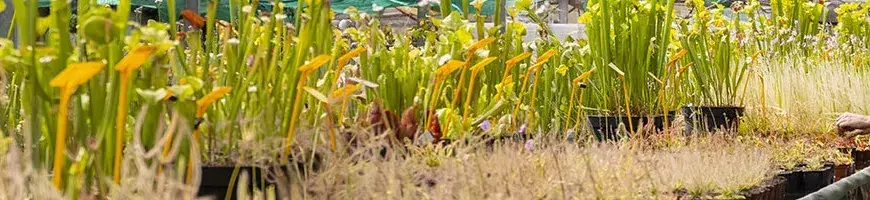
For sale in the Karnivores shop
Love Carnivorous plants? Don't miss our plants and exclusive offers in the online shop.
Read next
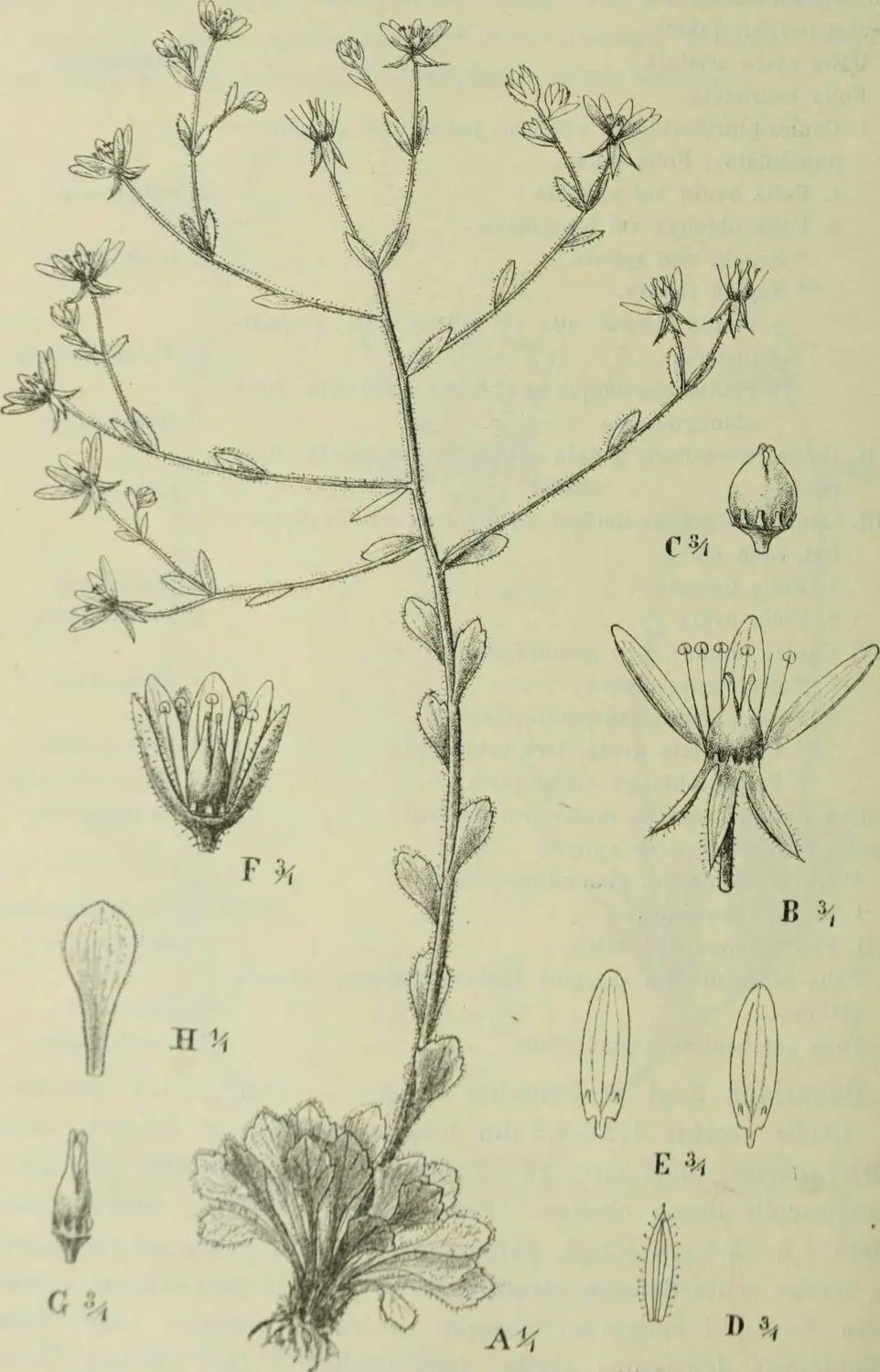
Saxifraga candelabrum: the flowering plant that confirms a 150-year-old hypothesis by Darwin
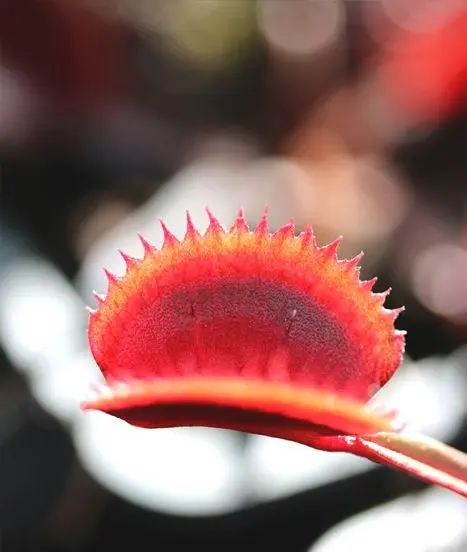
How does the Venus flytrap detect its prey? A 2025 study sheds light on its ‘sixth sense’
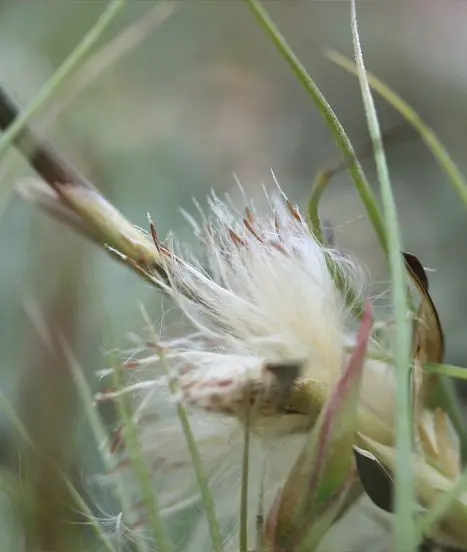
Growing Tillandsia from seed: a comprehensive guide to successful germination
Do Dionisian traps run on electricity?
How carnivorous plants digest their prey
Which plants can you grow on xaxim?