
The Hoyas: hidden treasures of tropical flora
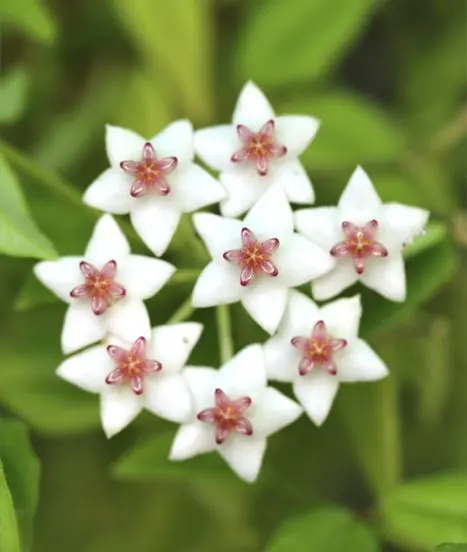
Hoya plants: botanical gems waiting to be discovered
Are you looking for an unusual and easy-to-care-for houseplant? Hoyas, often known as ‘porcelain flowers’, might just be what you’re looking for. These climbing plants, native to the tropical regions of South-East Asia, are renowned for their waxy, elegant flowers. But beyond their aesthetic beauty, hoyas hold many secrets. In this article, discover everything you need to know about the biology, ecosystems and natural habitats of these fascinating plants.
Geographical origin of Hoya
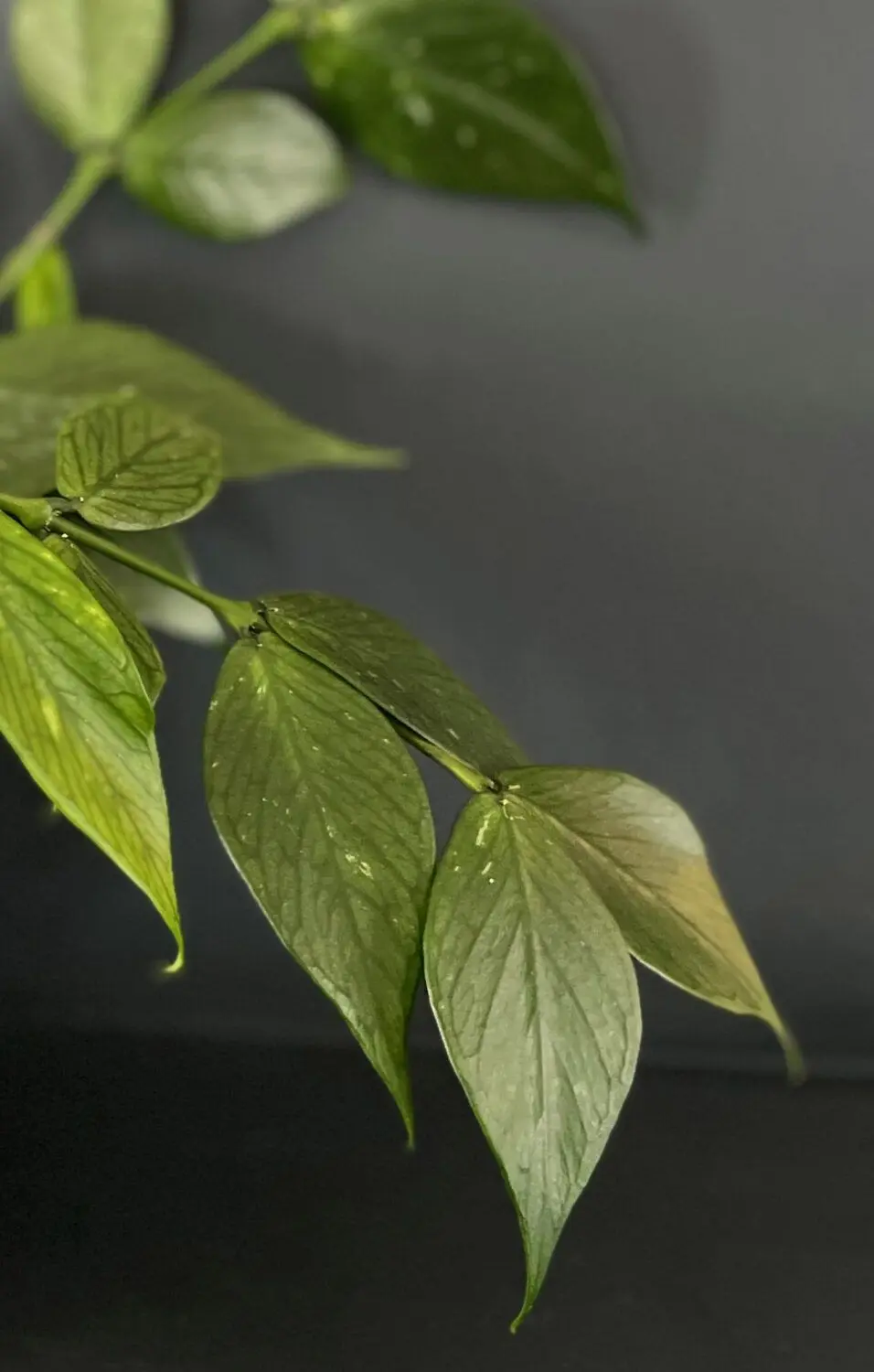
Hoya plants, often nicknamed ‘porcelain flowers’ due to their delicate, waxy blooms, form a fascinating and diverse genus within the Asclepiadaceae family. Native to the tropical regions of South-East Asia, Australia and the Pacific Islands, these epiphytic plants have developed remarkable adaptations to survive in tropical rainforests, where they have specialised in a variety of ecological niches.
Biology and adaptations: astonishing diversity
The genus Hoya comprises several hundred species, each with unique characteristics in terms of the shape, size and colour of their leaves and flowers. Some species develop variegated or velvety leaves, whilst others produce spectacular inflorescences with heady fragrances. These variations are the result of a long history of evolution and adaptation to very different environments.
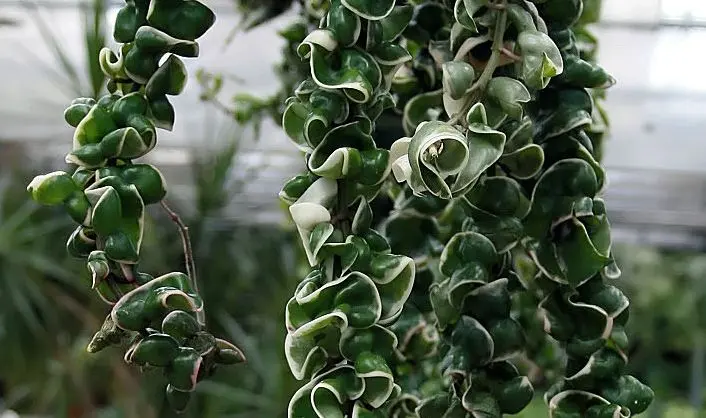
Hoya plants are perfectly adapted to an epiphytic lifestyle. Their aerial roots enable them to cling to trees and absorb moisture from the air. Their fleshy leaves act as water reservoirs, much like those of Neoregelia, enabling them to withstand short periods of drought. The flowers, often grouped in umbels, produce abundant nectar that attracts pollinating insects. Some species have developed complex structures to ensure pollination, such as adhesive hairs or nectar pouches.
Ecosystems and natural habitats: a key role
In their natural habitats, hoyas play an essential ecological role. As epiphytes, they contribute to the diversity of tropical forests by creating microhabitats for other organisms. Their aerial roots promote the formation of soil pockets, thereby enriching the environment and providing support for other plants. Hoya flowers are an important food source for many insects, including butterflies and flies.
Hoya plants are found in a wide variety of forest environments, ranging from lowland forests to mountain forests. Some species are specialised to very specific habitats, such as mangrove forests or cloud forests. The geographical distribution of hoyas is closely linked to climatic conditions and vegetation types.
Conservation
Owing to their beauty and uniqueness, hoyas are highly prized by plant collectors. Unfortunately, excessive collection from the wild and the destruction of their habitats threaten many species. It is therefore essential to prioritise the cultivation of hoyas grown from cuttings or seeds, and to support initiatives to conserve tropical forests.
Some examples of endangered hoya species
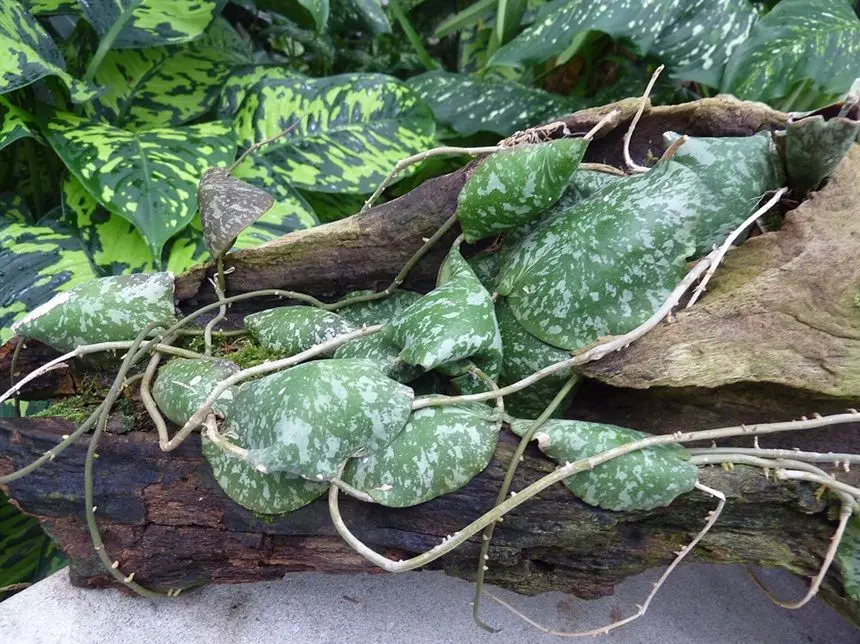
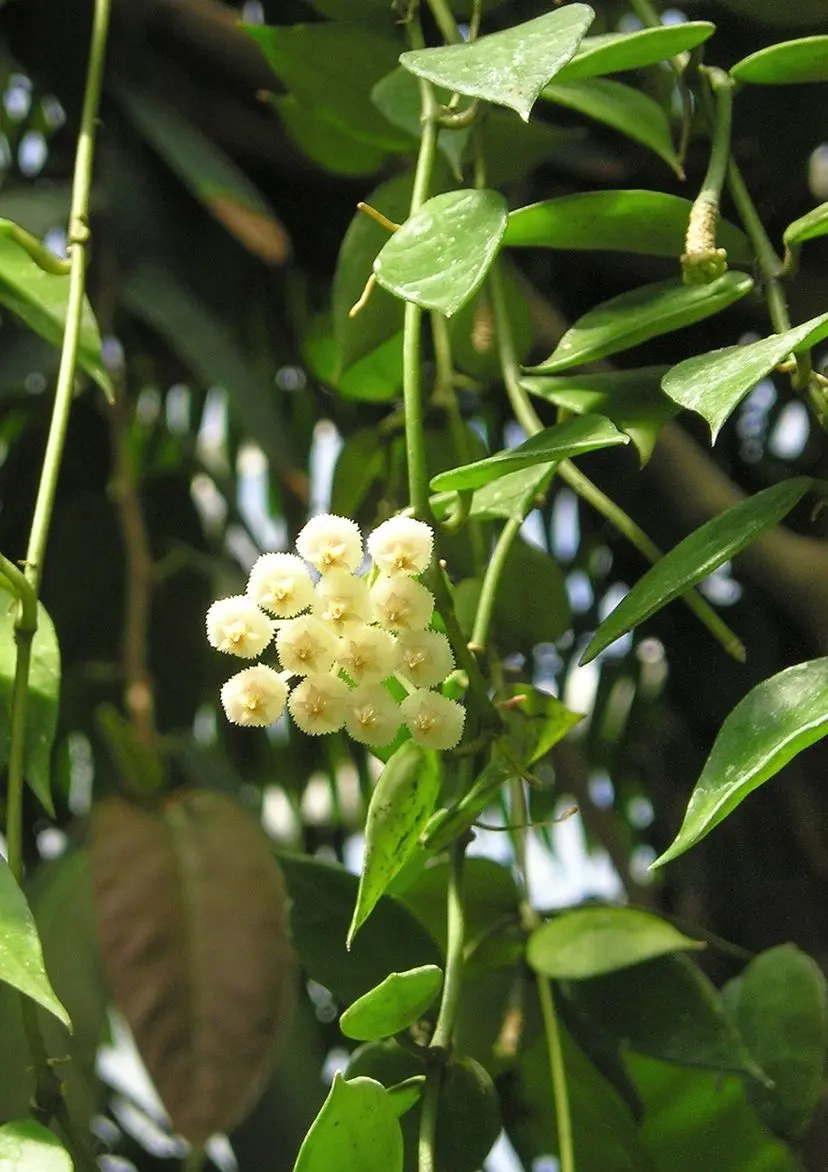
It is difficult to draw up an exhaustive list of endangered hoyas, as new species are regularly discovered and conservation statuses may change. However, certain species are particularly vulnerable:
Hoya lacunosa: This species, native to the Philippines, is threatened by the destruction of its natural habitat.
Hoya imbricata: Endemic to the Philippines, this hoya is also threatened by habitat loss.
Hoya polyneura: This species, native to Indonesia, is sought after by collectors, which is contributing to its decline.
Conclusion: Hoyas – an invitation to a botanical journey
In conclusion, hoyas are much more than just ornamental plants. They are complex living organisms, perfectly adapted to their natural environment. By growing a hoya at home, you’re bringing a little piece of the rainforest into your home and helping to preserve biodiversity. So, don’t hesitate to explore the fascinating world of hoyas and discover the diversity of this botanical genus.
For sale in the Karnivores shop
Love Exotic animals and terrariums? Don't miss our plants and exclusive offers in the online shop.
Read next
Cyrtomium fortunei: an evergreen fern ideal for shaded areas
Asplenium trichomanes: wall fern – growing, origin and tips
Ficus pumila: growing, care and tips

How to secure the xaxim in a terrarium so that it stays in place safely and securely
Plectranthus ernestii: an ideal, striking plant for a terrarium
A comprehensive guide to growing Neoregelia in a terrarium