
Propagating ferns: Between art and science
Introduction
Ferns, with their elegance and hardiness, are plants prized by both terrarium enthusiasts and gardeners. Propagating them, whilst a little more complex than with many flowering plants, is well within the reach of anyone who is keen to try.
Understanding ferns to propagate them more effectively
Before embarking on propagating ferns, it is essential to understand a few basic concepts about these plants:
- Rhizomes: Most ferns have rhizomes, which are underground stems that enable the plant to spread.
- Fronds: These are the leaves of the fern. They play an important role in photosynthesis and reproduction.
- Spores: Spores are the reproductive structures of ferns. They are produced in sporangia located on the underside of the fronds.
The various methods of propagation
There are several methods for propagating ferns:
Dividing Clumps
- Principle: This method involves dividing a fern clump into several parts, each with its own roots and leaves.
- When to do it: In spring, when growth resumes.
- Technique: Gently lift the clump, divide it using a sharp knife or your hands, then replant each section in its own pot or directly into the ground.
Rhizome Cuttings
- Principle: This method involves taking a piece of rhizome bearing one or more buds.
- When to do it: In spring or autumn.
- Method: Plant the piece of rhizome horizontally in a mixture of potting compost and sand, ensuring that the buds are lightly covered.
Semising from Spores
- Principle: This method is more technical and requires more patience. It involves sowing the spores collected from the fern’s fronds.
- When to do it: At any time of year, but spring is generally preferred.
- Method: The spores are sown on a sterile substrate (sphagnum moss, light-coloured peat) in a Petri dish or a pot covered with a glass lid. Germination can take several weeks or several months.

Micropropagation
- Principle: This method, used in the laboratory, enables a large number of plants to be propagated rapidly from a small fragment of plant tissue.
- Significance: It is used for the mass production of certain species of ferns.
Tips for Successful Fern Propagation
- Growing medium: Use a light, well-draining medium, such as a mixture of blond peat and perlite.
- Moisture: Ferns thrive in moist conditions. Keep the growing medium slightly moist, but avoid overwatering, which could cause rot.
- Temperature: The ideal temperature for propagation varies depending on the species, but generally, a moderate temperature is sufficient.
- Light: Young seedlings need filtered light.
In conclusion
Propagating ferns is a fascinating activity that allows you to expand your collection and share your passion with others. By following these tips and choosing species suited to your climate or the conditions in your terrarium, you’ll be able to create beautiful plant arrangements.
FAQ — Propagating ferns: A blend of art and science
Why is it important to understand the biology of ferns before propagating them?
Because ferns use rhizomes, fronds and spores to reproduce — these features determine how they are propagated. plante-carnivore.fr
What are the main methods for propagating ferns?
Ferns can be propagated by:
- Dividing clumps — separating a plant into several parts, each with roots and leaves.
- Rhizome cuttings — taking a section of rhizome bearing buds and replanting it.
- Semiss from spores — collecting spores from the fronds and sowing them on a sterile substrate.
- Micropropagation (in the laboratory) — propagating from plant tissue.
When should you divide the plant or take rhizome cuttings?
We recommend dividing clumps in the spring. Rhizome cuttings can be taken in the spring or autumn.
What are the ideal conditions for substrate, light and humidity to ensure successful propagation?
Use a light, well-draining growing medium (a mixture of potting compost and sand, or equivalent), maintain moderate moisture levels (the growing medium should be slightly damp but not waterlogged), and provide filtered light — especially for young seedlings.
Why is propagation by spores more demanding?
Because spore germination requires a sterile substrate (peat, sphagnum moss, etc.) and constant conditions, and because it can take several weeks or even months for a fern to reach maturity.
What can we expect if we follow these methods properly?
You can obtain several new plants, expand your collection or share plants, whilst retaining the characteristics of the original plant — provided you ensure they are properly cared for and kept in the right conditions.
Sources and references
Our experience :)
Space for Life (Montreal Botanical Garden)
Growing hardy
ferns https://espacepourlavie.ca/culture-des-fougeres-rustiques
Wikipedia
: Frond (botany)
https://fr.wikipedia.org/wiki/Fronde_%28botanique%29?

For sale in the Karnivores shop
Love Growing guide & tips? Don't miss our plants and exclusive offers in the online shop.
Read next
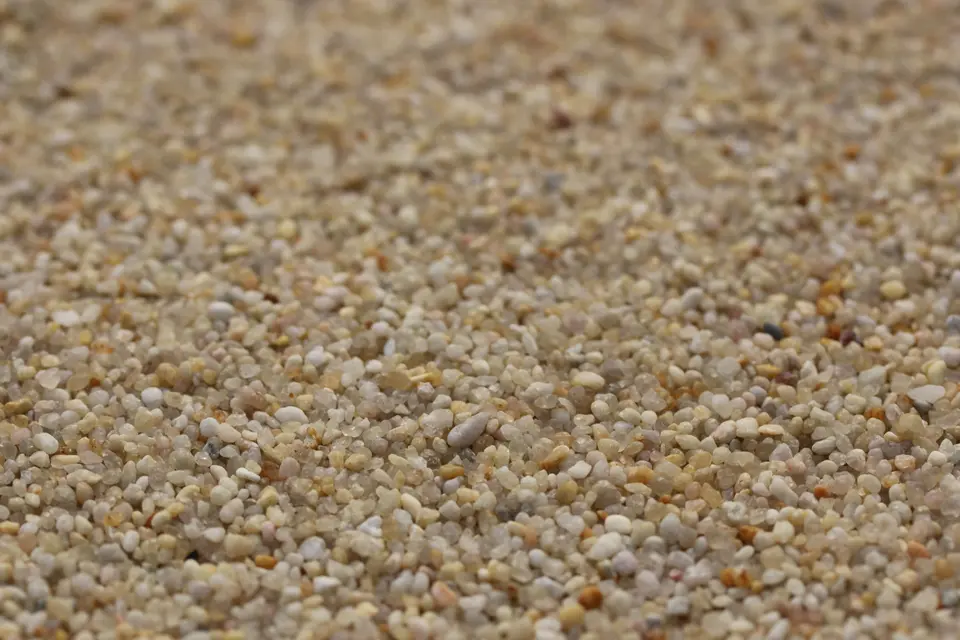
Quartz sand for carnivorous plants: what is it used for and how do you use it?
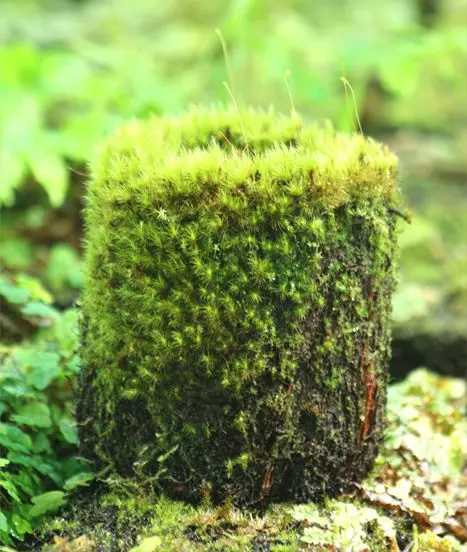
How to care for and maintain xaxim in a terrarium and a tropical greenhouse
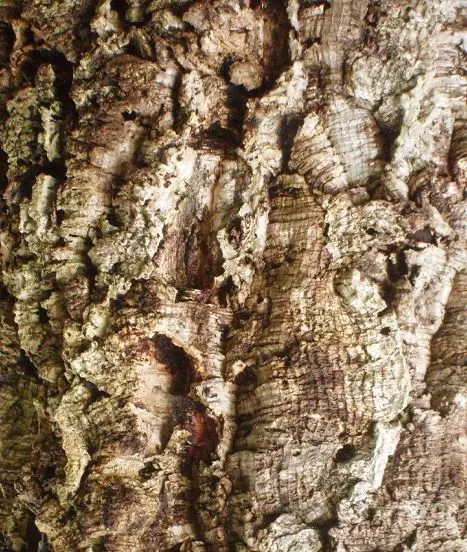
Cork oak bark: an ideal natural substrate for epiphytic plants and terrariums

Free delivery on orders of €59 or more until midnight on Sunday
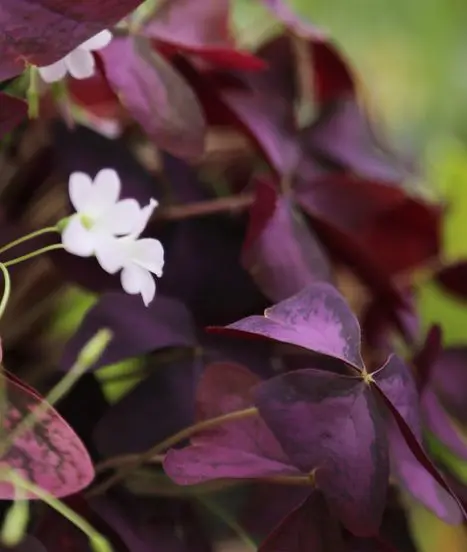
Oxalis triangularis: growing, care and tips

Dicksonia sellowiana: an iconic tree fern of the xaxim