
Pileas: A tropical botanical treasure
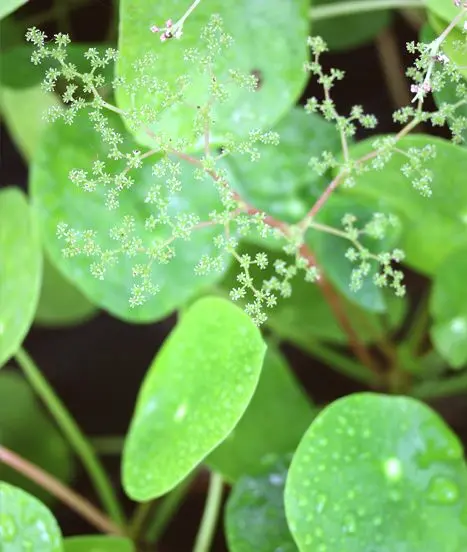
Pileas, belonging to the Urticaceae family, are a diverse genus of flowering plants comprising around 600 species. These plants are mainly native to the tropical and subtropical regions of Asia, Africa and South America. They thrive in the damp, shaded undergrowth of tropical forests, where humidity is high and direct sunlight is limited. This adaptation to low-light, high-humidity environments enables Pileas to thrive in a variety of conditions, making certain species particularly well-suited to indoor or terrarium cultivation.
Pileas as houseplants and terrarium plants
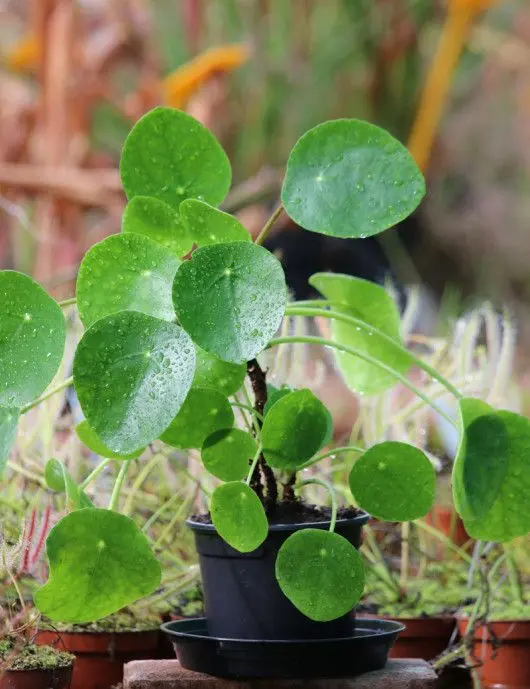
Thanks to their hardiness and aesthetic appeal, Pileas have become popular choices for houseplants and terrariums. Among the most sought-after species, Pilea peperomioides, known as the ‘Chinese money plant’, stands out for its round, fleshy leaves that resemble coins.
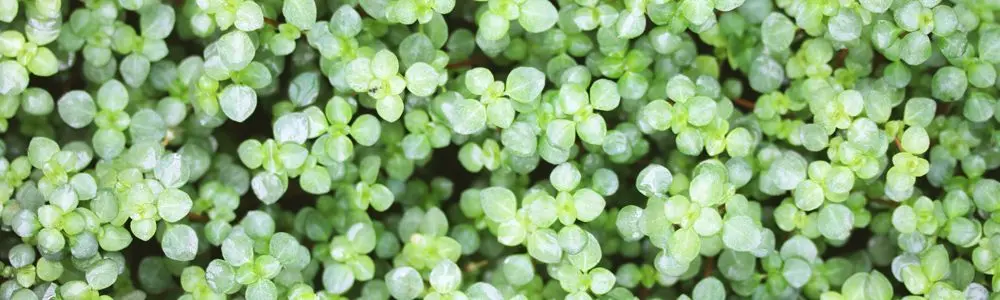
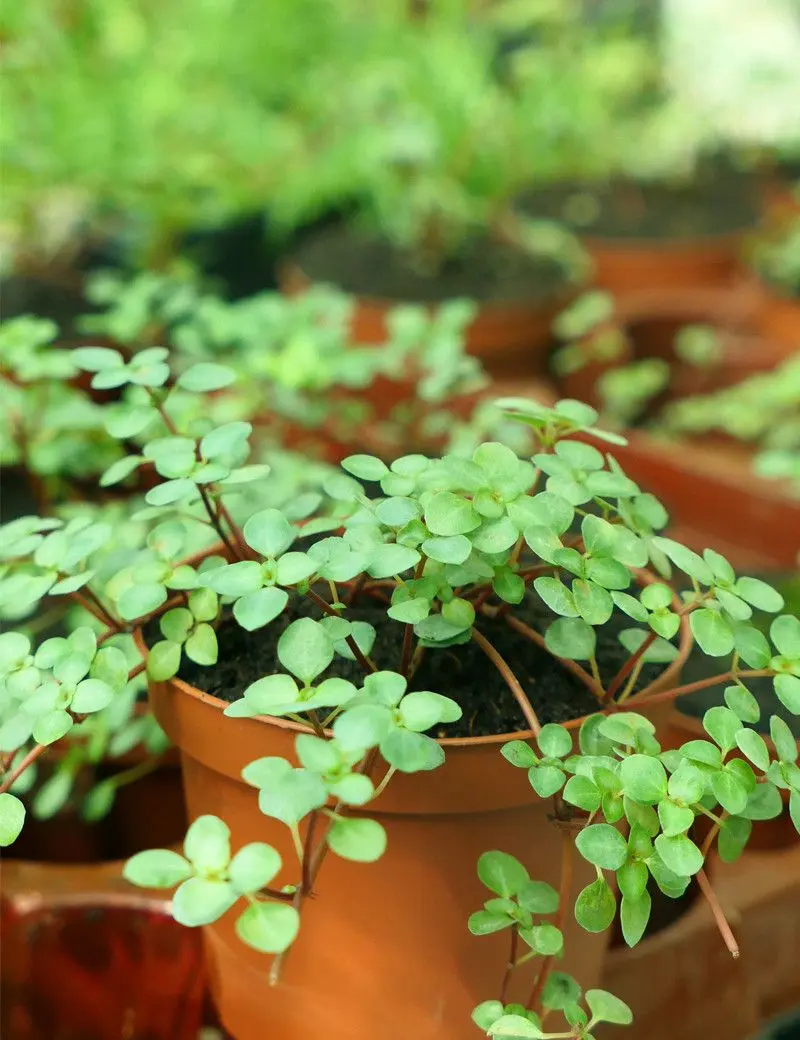
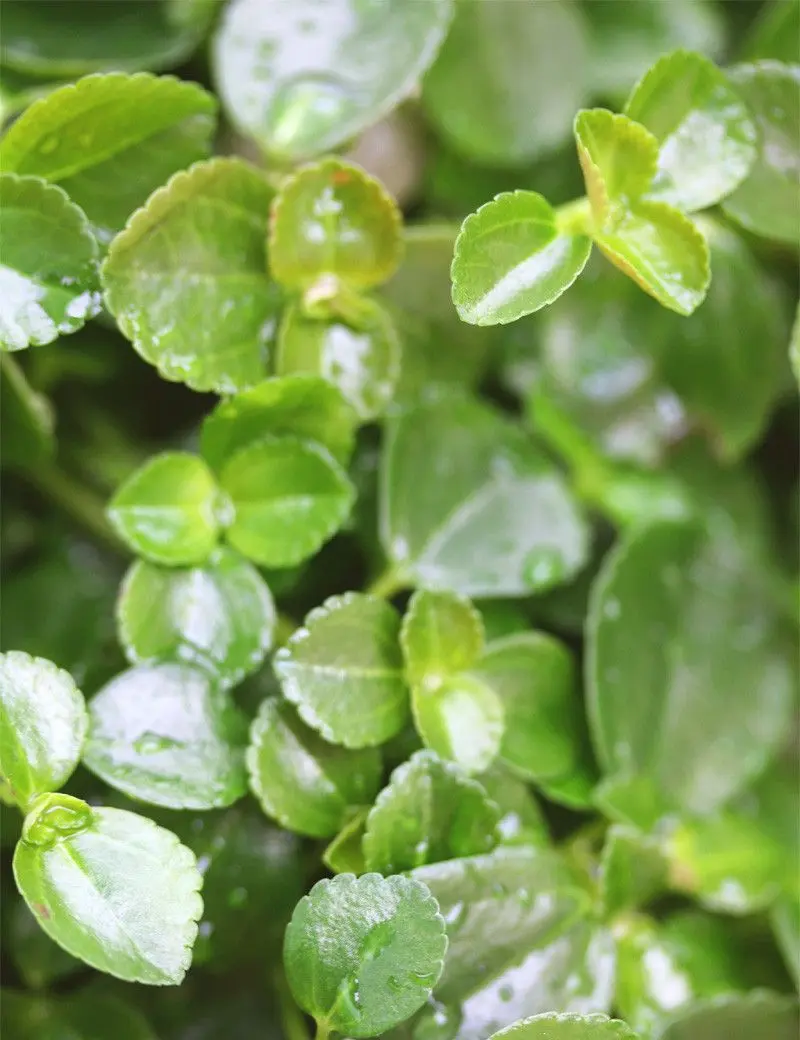
Pilea depressa, with its small, delicate, round leaves forming a dense carpet, is also highly prized for its ability to cover the ground and weave its way between other plants, creating a lush and compact visual effect. These plants add a touch of exotic and elegant greenery to any indoor space.
Growing Tips for the Pilea
Pilea is a popular houseplant due to its attractive appearance and ease of care. Here are some tips for growing and looking after this plant in the best possible way:
Light
Pileas prefer bright, indirect light. Direct sunlight can scorch their delicate leaves. Place them near a bright window but out of direct sunlight. If there is insufficient natural light, fluorescent lighting can be used to compensate.
Watering
Water Pileas when the soil begins to dry out on the surface. It is important to keep the soil slightly moist, but not waterlogged, to prevent root rot. Allowing the soil to dry out between waterings is recommended, especially in winter when growth slows down. Good drainage is essential to prevent waterlogging.
Humidity
Pileas thrive in moderate to high humidity, particularly if the ambient air is dry. To increase the humidity around the plant, you can use a humidifier, place the plant on a tray of pebbles filled with water, or mist it regularly. Terrariums are also an excellent option for maintaining high humidity.
Temperature
These plants thrive in temperatures between 18°C and 24°C. They can tolerate cooler temperatures, but it is best not to expose them to temperatures below 10°C. Avoid cold draughts and sudden changes in temperature.
Soil
Use a light, well-draining potting mix. A special mix for indoor plants enriched with perlite works well. The soil should retain some moisture whilst allowing for good drainage.
Fertilisation
Fertilise Pileas every two to four weeks during the growing season (spring and summer) with a balanced liquid fertiliser. In autumn and winter, reduce the frequency of fertilisation to once a month or stop altogether, as growth slows down.
Taille and Rempotage
Prune Pileas regularly to encourage dense, compact growth (this does not apply to Pilea peperomioides, which does not require pruning). Remove dead or damaged leaves to maintain a healthy appearance. Pileas can grow quickly and may need repotting annually in spring to prevent the roots from becoming too crowded. Use a slightly larger pot each time you repot.
Propagation
Pileas are easy to propagate from cuttings. Take stem cuttings about 5–7 cm long, remove the lower leaves, and place them in water or directly into a light potting mix. The cuttings should develop roots within a few weeks and can then be transplanted into individual pots.
Common Problems
- Yellow leaves: Often indicate overwatering or direct exposure to sunlight.
- Wilted leaves: Usually caused by a lack of water or insufficient humidity.
- Leaf drop: May be caused by cold draughts or a sudden change in environmental conditions.
Conclusion
In short, Pileas are fascinating plants, not only because of their tropical origins and their ability to adapt to various natural habitats, but also for their value as houseplants and terrarium plants.
Their distinctive foliage and ability to thrive in low-light conditions make them ideal for those looking to bring a touch of nature into their living space. With proper care, Pileas can not only enhance any interior but also help improve air quality, offering a perfect combination of beauty and functionality.
For sale in the Karnivores shop
Love Exotic animals and terrariums? Don't miss our plants and exclusive offers in the online shop.
Read next
Cyrtomium fortunei: an evergreen fern ideal for shaded areas
Asplenium trichomanes: wall fern – growing, origin and tips
Ficus pumila: growing, care and tips
How to secure the xaxim in a terrarium so that it stays in place safely and securely
Plectranthus ernestii: an ideal, striking plant for a terrarium
A comprehensive guide to growing Neoregelia in a terrarium