
Oxalis: A botanical treasure
Introduction
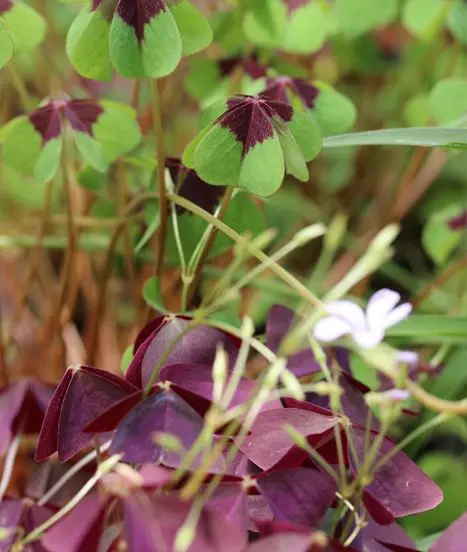
Oxalis, those little plants with their often trifoliate leaves and delicate flowers, are much more than mere decorative features. Native to various regions across the globe, they have won over gardening enthusiasts with their diversity and ease of cultivation. In this article, we’ll explore the origins, history, different species and growing tips for these charming plants.
Geographical Origins and Habitat
Oxalis are cosmopolitan plants, meaning they are found on every continent except Antarctica. They are particularly abundant in South America, South Africa and Australia. These plants have adapted to a wide variety of habitats, ranging from sunny meadows to tropical rainforests. Some species are also found in temperate regions, where they naturalise easily.
Botanical History
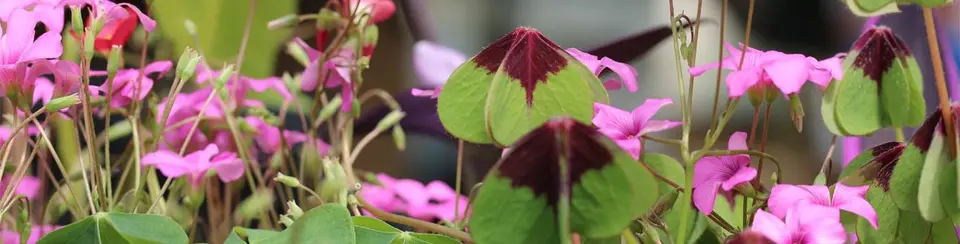
The genus Oxalis belongs to the family Oxalidaceae. Its name derives from the Greek ‘oxys’, meaning ‘sour’, in reference to the tart taste of its leaves. Oxalis plants were already known to the ancient Egyptians and Romans, who used them for medicinal and culinary purposes. Over the centuries, numerous species have been described and classified by botanists.
The Appeal of Oxalis
Oxalis plants offer many benefits for gardeners:
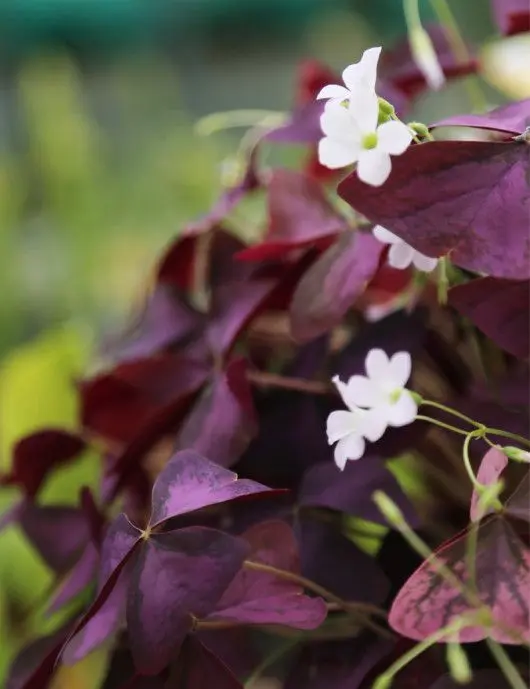
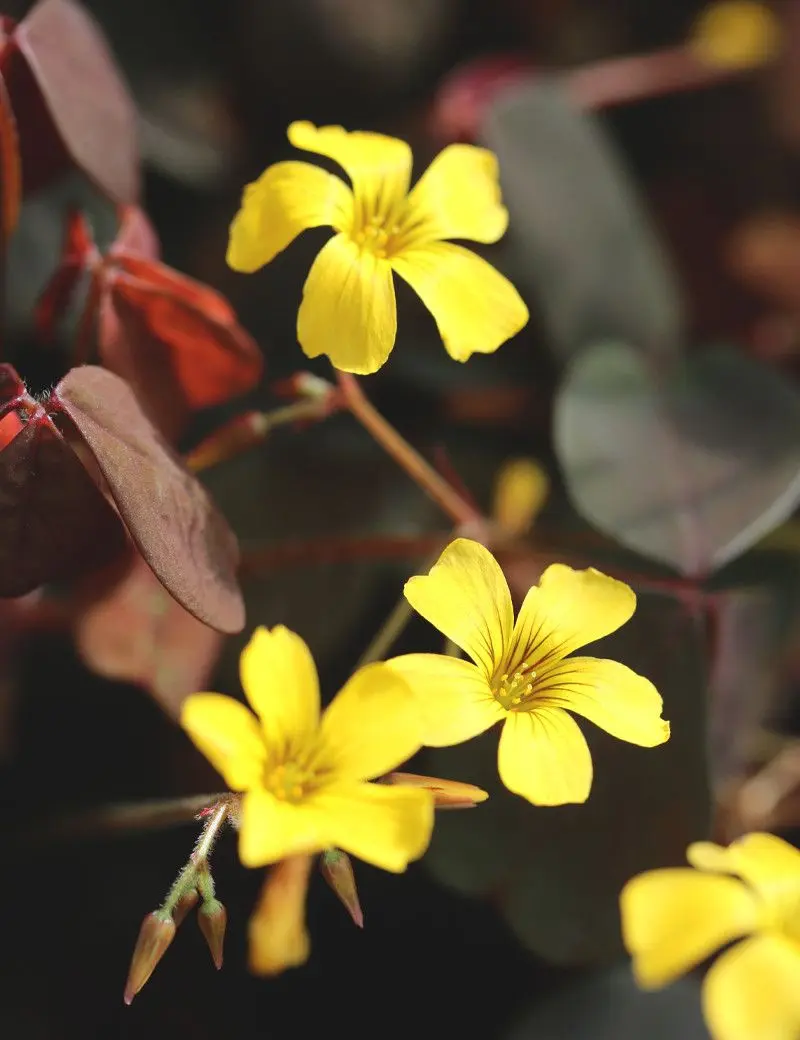
- Abundant and colourful flowering: Oxalis flowers, often bell-shaped, come in a range of colours from white to pink, including yellow and purple.
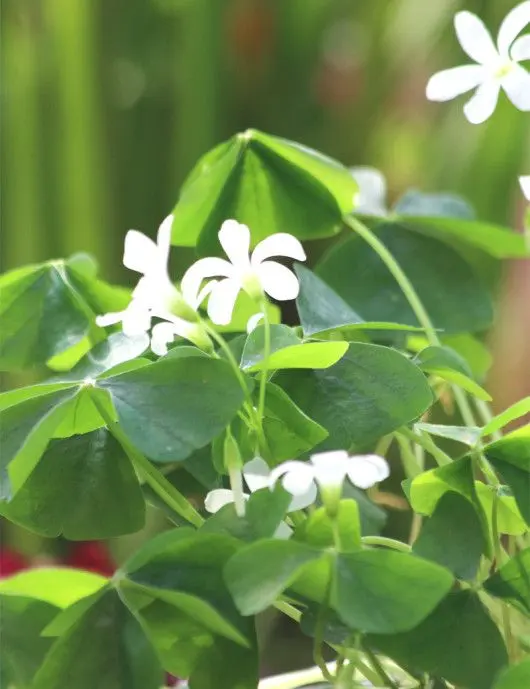
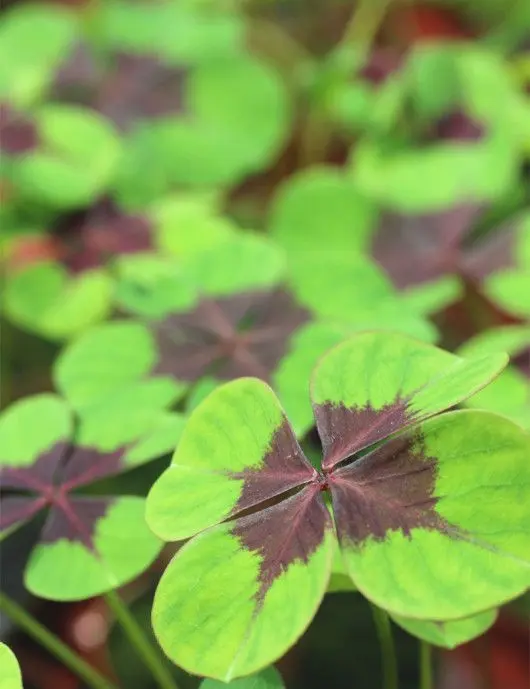
- Ornamental foliage: The trifoliate leaves of oxalis are often very elegant and display interesting colour variations. Some species close their leaves at night or on overcast days, a phenomenon known as nyctinasty.
- Easy to grow: Most oxalis are hardy and undemanding plants, content with ordinary soil and a sunny or semi-shaded position.
- Easy propagation: Oxalis are easily propagated from seed or by dividing the clump.
Growing Tips
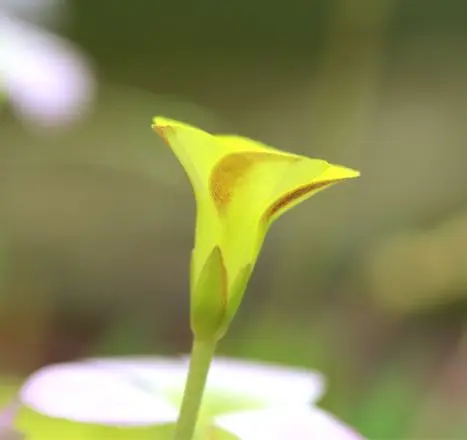
To grow oxalis successfully, follow these tips:
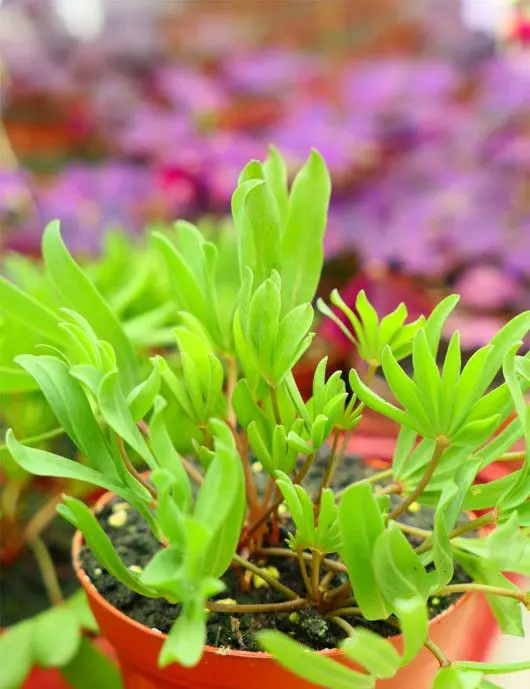
- Soil: Oxalis prefer light, well-drained soil rich in humus, much like what Dryopteris require.
- Position: Most species thrive in a sunny or partially shaded position.
- Watering: Water regularly, but avoid overwatering, as this can cause root rot – oxalis are very susceptible to this.
- Fertiliser: Apply a liquid fertiliser for flowering plants every two weeks during the growing season.
- Propagation: Oxalis plants are easily propagated from seed in spring or by dividing clumps or rhizomes in autumn.
Conclusion
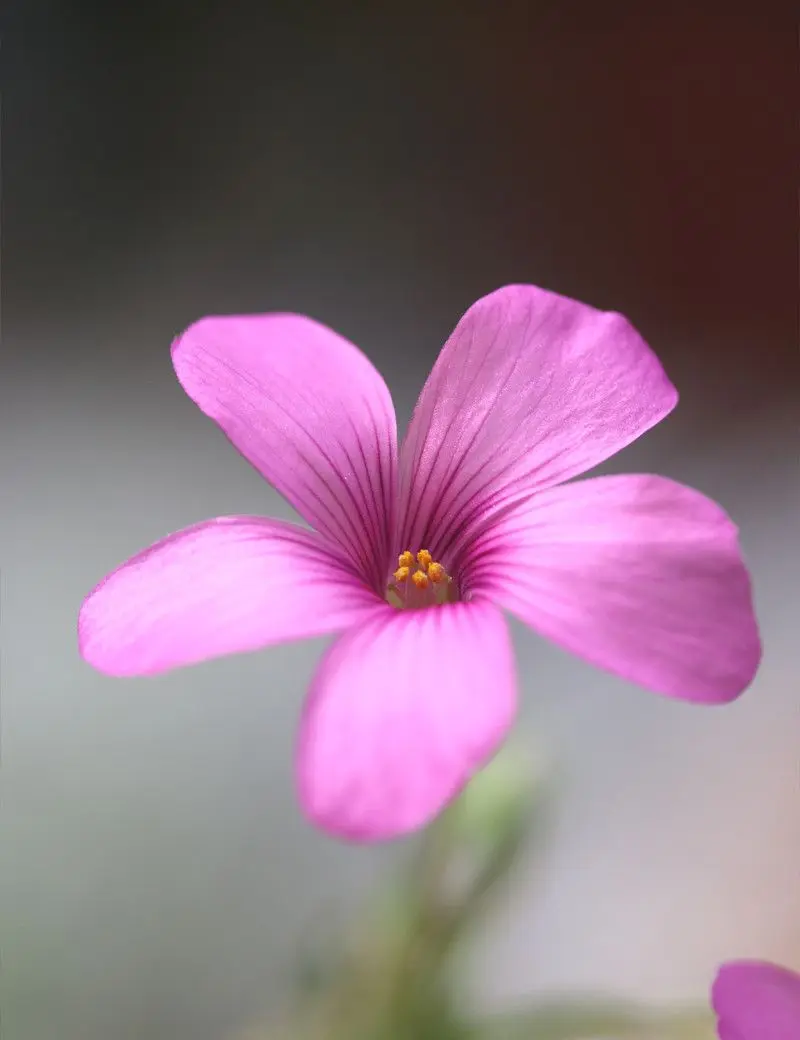
Oxalis are fascinating and versatile plants that will add a touch of cheer to your garden or home. Thanks to their diversity and ease of cultivation, they are sure to delight all plant lovers.
FAQ – Oxalis: A botanical treasure
Where do Oxalis plants originate from, and in what habitats do they grow?
Oxalis are cosmopolitan plants, found on almost every continent (except Antarctica), and adapted to a variety of habitats, such as sunny meadows and tropical rainforests.
To which botanical family do Oxalis belong, and what does their name mean?
Oxalis belong to the Oxalidaceae family. Their name comes from the Greek word oxys, meaning sour, in reference to the tart taste of their leaves.
What are the main attractions of Oxalis for gardeners?
Oxalis plants produce abundant, colourful flowers and decorative, often trifoliate foliage; they are easy to grow (in ordinary soil, in full sun or partial shade) and can be easily propagated by seed or by dividing the clumps.
How can you successfully grow Oxalis?
To grow Oxalis successfully, it is recommended that you use light, well-drained soil, ensure a sunny or partially shaded position, water regularly without overwatering, and apply a light amount of fertiliser during the growing season.
How do Oxalis plants usually reproduce?
Oxalis are easily propagated by sowing seeds in spring or by dividing clumps or rhizomes in autumn, making them accessible plants for gardening enthusiasts.

For sale in the Karnivores shop
Love Exotic animals and terrariums? Don't miss our plants and exclusive offers in the online shop.
Read next
Cyrtomium fortunei: an evergreen fern ideal for shaded areas
Asplenium trichomanes: wall fern – growing, origin and tips
Ficus pumila: growing, care and tips

How to secure the xaxim in a terrarium so that it stays in place safely and securely
Plectranthus ernestii: an ideal, striking plant for a terrarium
A comprehensive guide to growing Neoregelia in a terrarium