
Do you need a greenhouse to successfully grow carnivorous plants from seed?
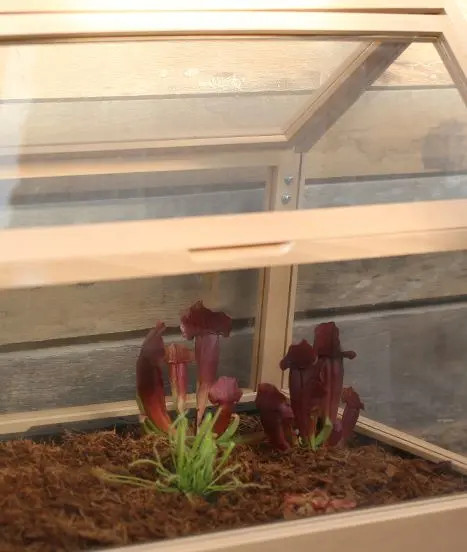
When you start growing carnivorous plants from seed, one question always comes up: do you absolutely need a greenhouse for it to work? Many people imagine that specialised equipment is essential. In reality, the answer is a bit more nuanced.
Before going into detail, if you’re a complete beginner, have a look at our comprehensive guide to growing carnivorous plants from seed to understand the essential basics before we even get to the subject of greenhouses.
Is a greenhouse really essential?
A greenhouse isn’t strictly necessary for successfully growing carnivorous plants from seed. What determines germination is always the same essential trio: stable humidity, sufficient light and the right temperature.
However, in practice, a mini-greenhouse makes success much easier. It helps maintain high and constant humidity without constant supervision, limits temperature fluctuations and protects the growing medium from draughts that quickly dry out the surface. For a beginner, it considerably reduces errors caused by environmental fluctuations.
There are, of course, DIY alternatives, such as a clear lid or a plastic bag, but these require more attention and fine-tuning. A mini-greenhouse provides a more stable environment that is simpler to manage and generally more reliable for achieving consistent germination.
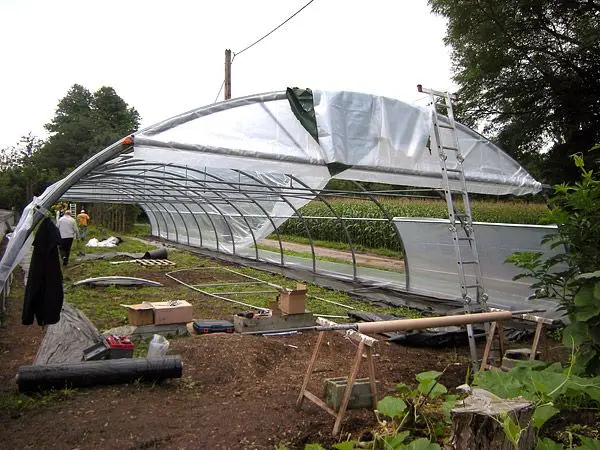
Greenhouse, mini-greenhouse or DIY system: what are the differences? The traditional greenhouse
A garden greenhouse allows you to sow seeds on a large scale, provides protection from the wind and maintains a more stable temperature. It’s a good option if you grow plants regularly or in large quantities.
However, it can become too hot in direct sunlight and encourage the growth of mould if there is insufficient ventilation.
The indoor mini-greenhouse
For most hobbyists, a mini greenhouse is more than enough. It helps retain moisture around the seeds whilst remaining easy to manage.
Placed near a bright window or under artificial lighting, it offers an excellent balance between control and simplicity.
Simple alternatives: a lid or a plastic bag
A simple clear lid or a plastic bag placed over the pot helps to recreate a greenhouse effect. This method works very well provided you ventilate regularly to prevent excessive condensation and fungal growth.
For a beginner, this solution is often the most accessible.
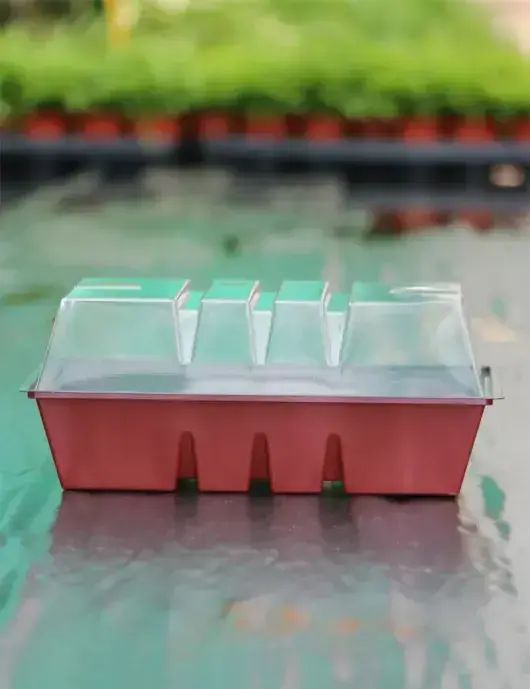
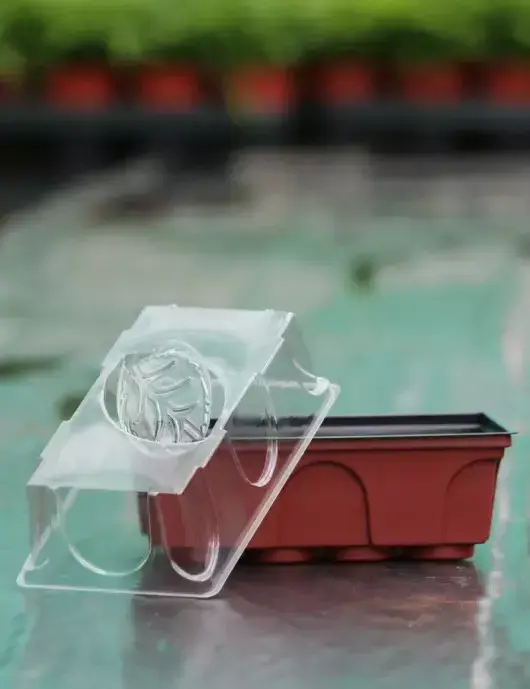
The benefits of a greenhouse for seedlings
A greenhouse offers several practical benefits:
It maintains a constant level of humidity, which promotes the germination of carnivorous plant seeds.
It protects against night-time temperature fluctuations.
It reduces draughts that can dry out the surface of the growing medium.
In cool or very dry regions, these benefits can significantly improve the success rate.
Risks to watch out for
Excessive heat
In direct sunlight, the temperature can rise very quickly. Young seedlings are particularly sensitive to heat stress.
Mould and fungi
An environment that is too enclosed, with no ventilation, encourages the growth of mould. This is the most common mistake made by beginners. Daily ventilation, even for a short time, is often enough to prevent this problem.
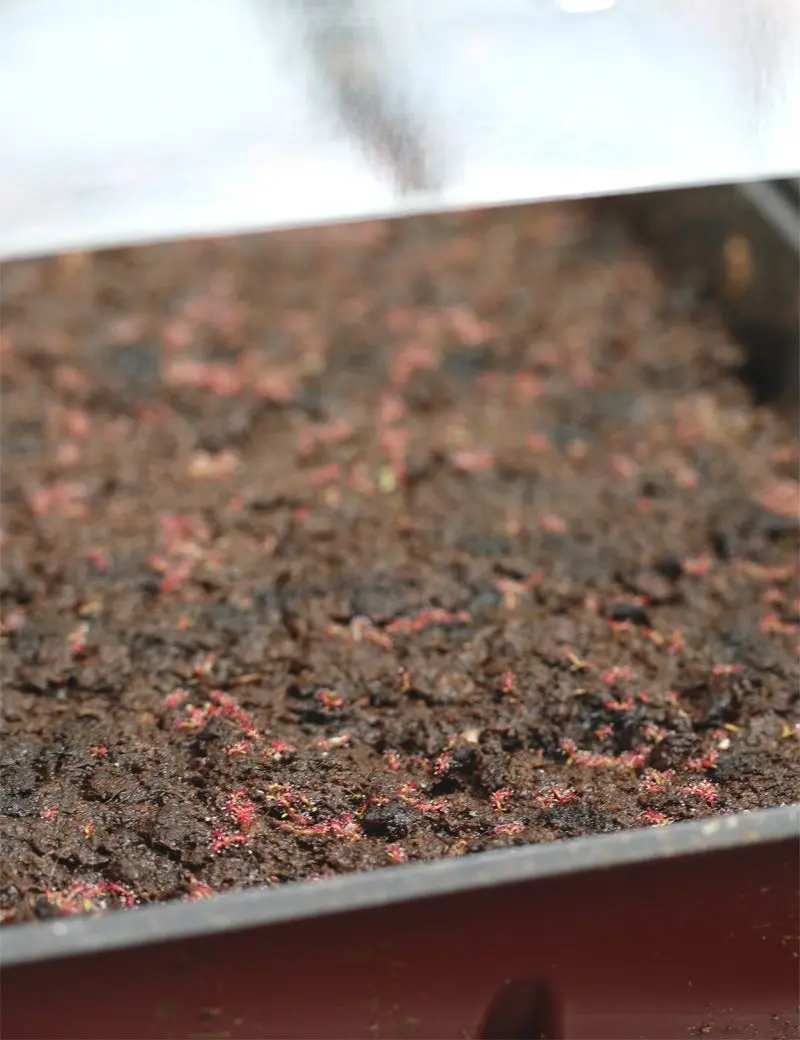
So, should you invest in a greenhouse?
For most amateur gardeners, a mini-greenhouse or a simple system with a clear cover is more than enough. A large greenhouse becomes worthwhile if you regularly propagate plants or if your climate makes indoor conditions unstable.
The success of your seedlings depends more on consistent care, the right growing medium and suitable light than on the equipment used.
Conclusion: a greenhouse is a tool, not a necessity
A greenhouse makes it easier to control humidity and temperature, but it is not essential for successfully growing carnivorous plants from seed. What matters most is maintaining stable conditions and being vigilant against extremes.
When managed properly, it can improve results. If mismanaged, however, it can create problems. As is often the case in cultivation, it is balance that makes all the difference.
For sale in the Karnivores shop
Love Growing guide & tips? Don't miss our plants and exclusive offers in the online shop.
Read next
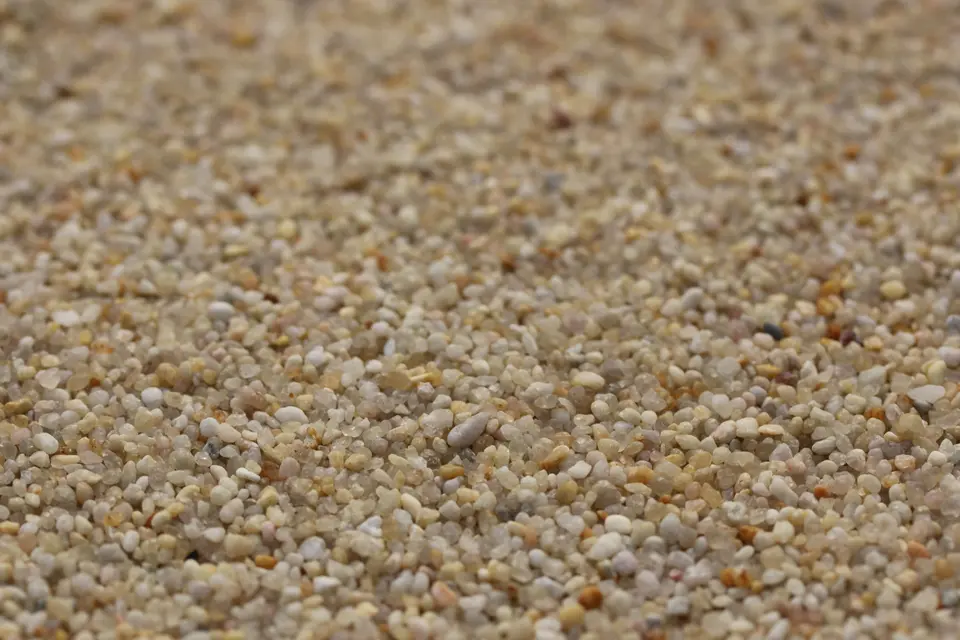
Quartz sand for carnivorous plants: what is it used for and how do you use it?
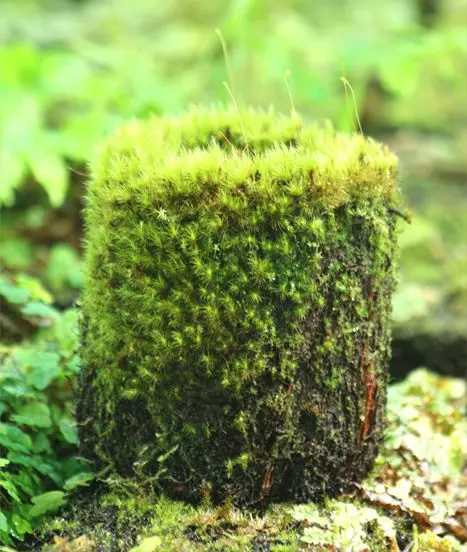
How to care for and maintain xaxim in a terrarium and a tropical greenhouse
Cork oak bark: an ideal natural substrate for epiphytic plants and terrariums
Free delivery on orders of €59 or more until midnight on Sunday
Oxalis triangularis: growing, care and tips
Dicksonia sellowiana: an iconic tree fern of the xaxim