
Aptenia cordifolia: A Versatile Plant
Introduction
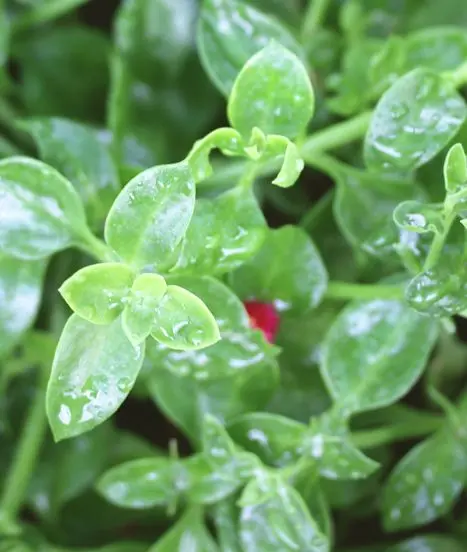
Aptenia cordifolia, commonly known as ‘Heart-leaved Ficoid’ or ‘Ice Plant’, is a succulent native to South Africa. Prized for its dense foliage and vibrant flowers, this plant has won over gardeners worldwide thanks to its versatility and hardiness. Easy to grow, it is ideal for dry gardens, rockeries and green walls. Its aesthetic appeal and low maintenance requirements make it an excellent choice for gardeners of all levels.
Characteristics and Care
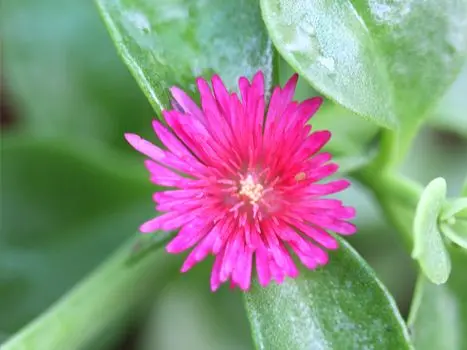
Aptenia cordifolia is characterised by its small, fleshy, heart-shaped leaves, which are a glossy green, and by its brightly coloured flowers, ranging from red to pink. These flowers, which mainly appear from spring to autumn, add a splash of vibrant colour. Well-suited to arid climates, this succulent requires well-drained soil to prevent root rot. It prefers full sun but will also tolerate partial shade. In terms of watering, Aptenia cordifolia is not demanding: moderate watering is sufficient, especially during periods of active growth. In winter, when the plant enters dormancy, watering should be kept to a minimum.
Exposure and Soil
Aptenia cordifolia, also known as ‘Heart-leaved Ficoid’ or ‘Ice Plant’, is a succulent that prefers full sun to encourage vigorous growth and abundant flowering. It can tolerate partial shade, but flower production will be reduced. As for the soil, this plant requires a well-drained substrate to prevent root rot. A mixture of garden soil and sand, or a specialised potting mix for succulents, will be ideal.
Watering
Aptenia cordifolia has moderate water requirements. During the active growing season, which runs from spring to autumn, water the plant regularly but not excessively, allowing the soil to dry out between waterings. In winter, when the plant enters dormancy, reduce watering to a minimum to avoid excess moisture, which could lead to root rot. It is important to note that this plant tolerates periods of drought well thanks to the water reserves in its fleshy leaves.
Care and PrTaille
Caring for Aptenia cordifolia is relatively straightforward. It does not require regular fertilisation, but you can add a diluted liquid fertiliser for succulents once a month during the growing season to encourage healthy growth. Pruning is also straightforward: simply remove faded flowers and any dead or damaged parts to keep the plant in good condition. If the plant becomes too overgrown, you can prune it to control its growth.
Common Problems
Aptenia cordifolia is generally resistant to diseases and pests. However, it can sometimes be prone to attacks by aphids or scale insects. In the event of an infestation, you can use an insecticidal soap or a neem oil-based solution to treat the plant. Also, make sure to monitor the soil moisture to prevent root rot.
Uses and Benefits
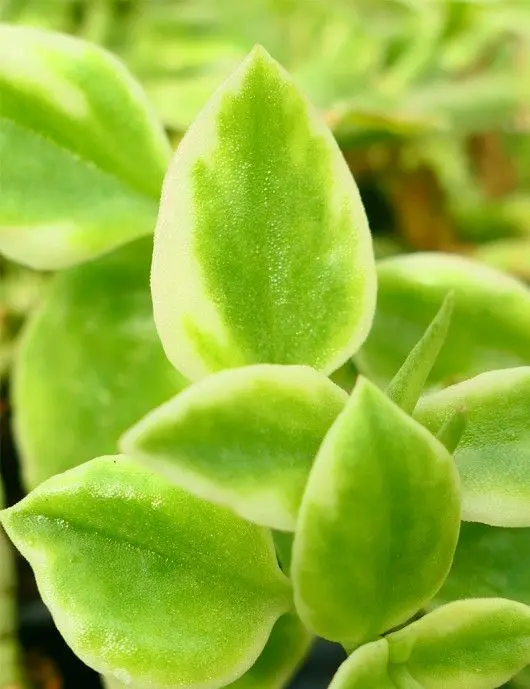
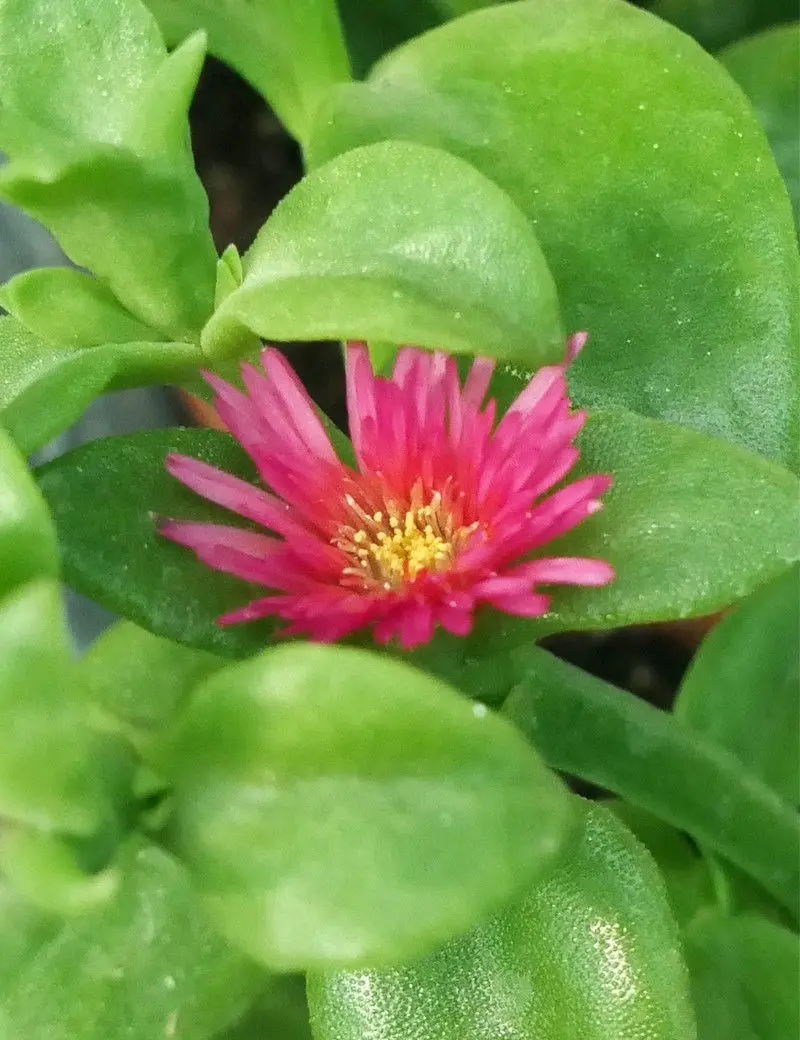
As well as its aesthetic qualities, Aptenia cordifolia offers numerous practical benefits. It is often used as a ground cover in dry gardens, where its ability to suppress weeds and retain soil moisture is particularly valued.
This plant is also ideal for hanging baskets, green walls and dry terrariums thanks to its rapid growth, hardiness and trailing habit. Furthermore, it is resistant to diseases and pests, reducing the need for chemical treatments.
In permaculture, Aptenia cordifolia plays a crucial role in enhancing biodiversity and providing a habitat for pollinators such as bees and butterflies.
Conclusion
Aptenia cordifolia is a versatile and hardy succulent that is well suited to a variety of gardening settings. Easy to grow, low-maintenance and undeniably attractive, it is an excellent choice for both novice and experienced gardeners alike, and is perfectly suited to many terrariums.
Whether used to enhance a dry garden, fill a hanging basket or contribute to a permaculture project, Aptenia cordifolia is a valuable ally in creating attractive and sustainable green spaces.
FAQ — Aptenia cordifolia
What is Aptenia cordifolia?
A succulent plant native to South Africa, with fleshy, heart-shaped leaves and colourful flowers that bloom from spring to autumn.
What sort of environment and soil is best suited to it?
It thrives in well-drained soil, even if it is poor or sandy. It prefers full sun but will tolerate partial shade, although flowering will be slightly less profuse.
How should it be watered and looked after?
Water moderately during the growing season, allowing the soil to dry out. In winter, water very sparingly. A diluted fertiliser may be applied occasionally, and only dead parts should be removed.
How can it be used in the garden or in pots?
Ideal as ground cover, in rockeries, on slopes or in hanging baskets. Its trailing habit also makes it suitable for use in pots or dry terrariums.
What are the potential risks or problems?
Excess moisture can lead to root rot. It can sometimes attract aphids or scale insects, although it is generally hardy.
Why choose it for your garden?
It is a hardy, ornamental plant that is easy to grow and very versatile, making it suitable for beginners as well as for dry or poor-quality gardens.
Sources and references
Our experience :)
Tela Botanica
Heart-leaved Ficoid – Aptenia cordifolia (L.f.) Schwantes
https://www.tela-botanica.org/bdtfx-nn-5695-synthese
For sale in the Karnivores shop
Love Exotic animals and terrariums? Don't miss our plants and exclusive offers in the online shop.
Read next
Cyrtomium fortunei: an evergreen fern ideal for shaded areas
Asplenium trichomanes: wall fern – growing, origin and tips
Ficus pumila: growing, care and tips
How to secure the xaxim in a terrarium so that it stays in place safely and securely
Plectranthus ernestii: an ideal, striking plant for a terrarium
A comprehensive guide to growing Neoregelia in a terrarium