
Why and how we incorporate AI into our articles
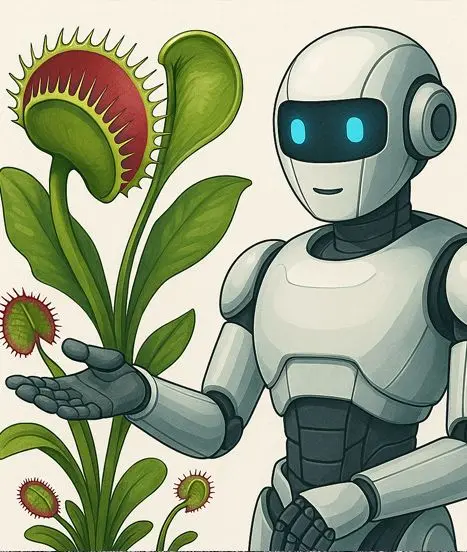
In order to maintain high standards and provide you with clear, well-written content, we now use artificial intelligence to format the articles published on our blog.
In practical terms, here’s what this means for you:
We still write the texts with care, drawing on our horticultural expertise and our experience in growing carnivorous plants (for over 23 years, mind you).
Next, AI steps in to structure the content: ensuring paragraph coherence, smooth syntax and formatting optimised for online reading. We also use it to generate certain graphs and other diagrams.
We ensure that all important information comes from reliable sources, and we can provide you with these references if you wish (contact@karnivores.com).
Please note
AI does not provide independent opinions or conduct independent research — it does not replace our human expertise, but complements it. The most recent articles are written by Julien Hoffmann, now head of the nurseries, who has extensive experience as a writer, both in the context of tenders for the creation of interpretive trails (DEFI-Écologique), in the context of online articles (ConsoGlobe) and as editor-in-chief of a blog on biodiversity conservation with over 80,000 monthly readers.
We believe that this combination of human expertise and AI enables us to offer you articles that are more enjoyable to read, whilst maintaining rigour and professionalism, but above all, it saves us enough time to provide you with more content!
Thank you for your trust, and enjoy reading!
For sale in the Karnivores shop
Love Growing guide & tips? Don't miss our plants and exclusive offers in the online shop.
Read next
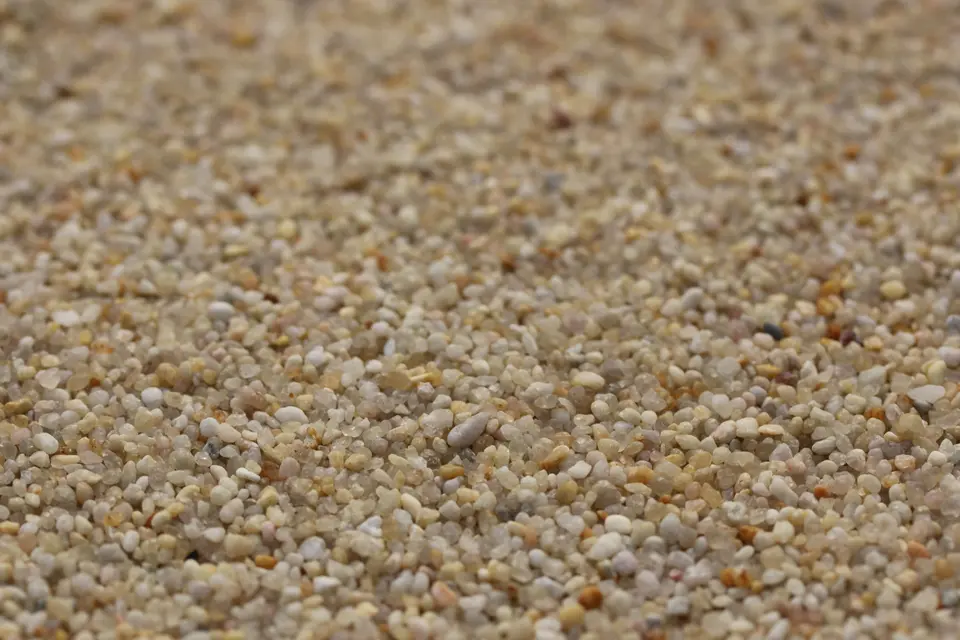
Quartz sand for carnivorous plants: what is it used for and how do you use it?
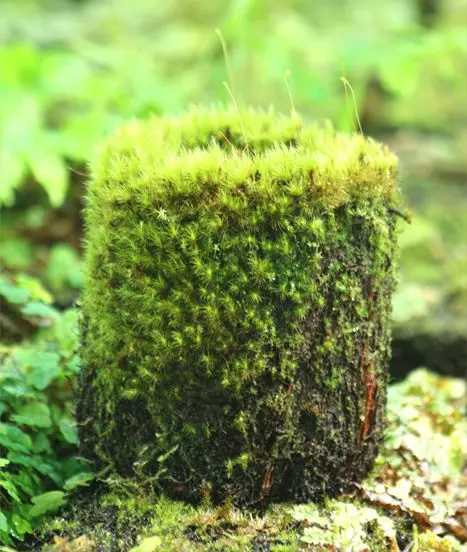
How to care for and maintain xaxim in a terrarium and a tropical greenhouse
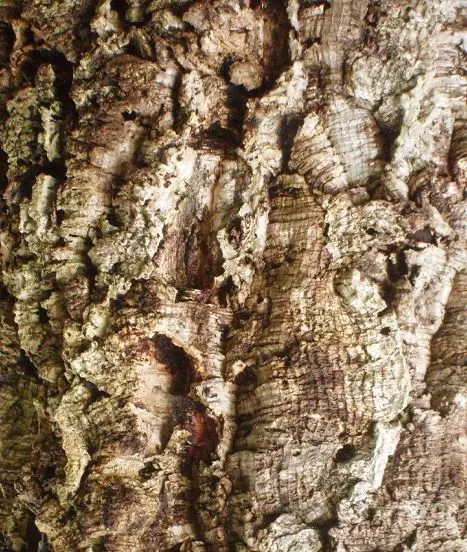
Cork oak bark: an ideal natural substrate for epiphytic plants and terrariums

Free delivery on orders of €59 or more until midnight on Sunday
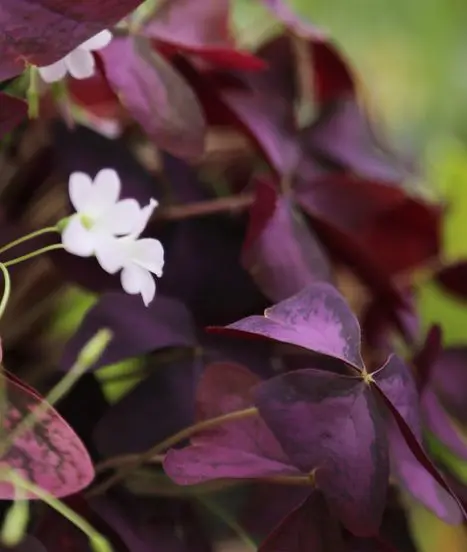
Oxalis triangularis: growing, care and tips
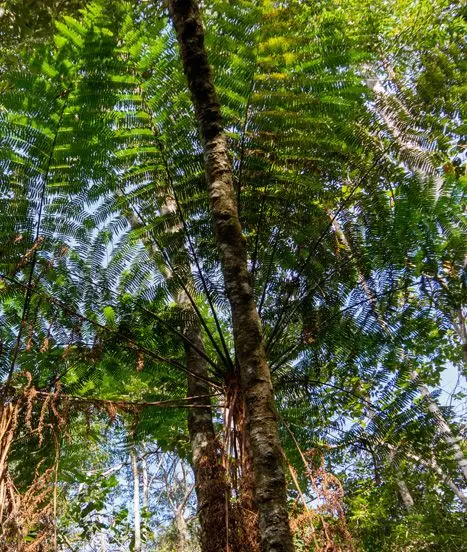
Dicksonia sellowiana: an iconic tree fern of the xaxim