
Pesticides in houseplants: a hidden danger in your living room?
Introduction
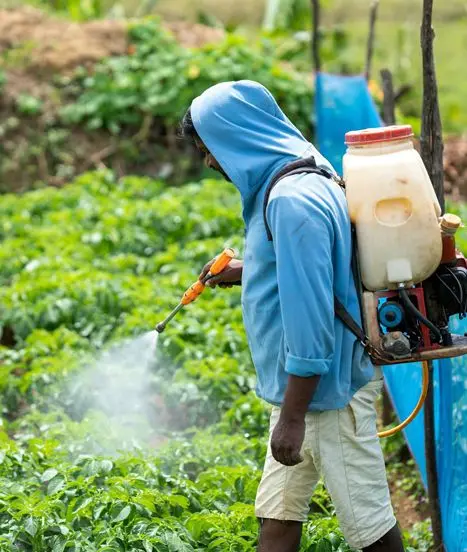
Houseplants brighten up our homes and improve our wellbeing. But did you know that some of them may contain pesticide residues? Indeed, the use of plant protection products in plant cultivation is common practice, even for plants intended for interior decoration. Since December 2024, new regulations have been introduced in France to limit the use of these harmful substances in agriculture. But what about the floristry and houseplant sectors?
Pesticides in houseplants: a health risk?
Pesticides used on indoor plants can pose risks to human health, particularly if ingested, inhaled or in the event of prolonged skin contact. Children and pets are particularly vulnerable. Symptoms can vary depending on the products used and individual sensitivity, ranging from simple irritation to more serious problems such as allergies or hormonal disorders.
New regulations in France
In response to these concerns, the French authorities have introduced strict measures to reduce the use of pesticides. These new regulations aim to:
- Limit the use of the most dangerous pesticides in agriculture.
- Encourage sustainable agricultural practices such as biological control or agroecology.
- Inform consumers about the possible presence of pesticide residues in food and non-food products.
Houseplants: an exception?
Whilst the new regulations mainly concern agriculture, the question arises as to whether they also apply to houseplants. At present, the regulations on pesticide residues in ornamental plants are less stringent than those for food products. However, there is a trend towards the wider adoption of good practices and a growing demand for healthy, environmentally friendly products.
Consequently, in December 2024, ANSES was asked to carry out a risk assessment for workers in the cut-flower sector, relating to exposure to plant protection products and their residues
How can you choose pesticide-free houseplants?
To reduce your exposure to pesticides, choose… Karnivores, of course! We do not use any plant protection products. And if that isn’t possible for you, prioritise:
- Locally grown plants: Short supply chains reduce the distances plants travel, thereby limiting the use of plant protection products.
- Certified organic plants: The AB label guarantees production free from synthetic pesticides and respectful of the environment.
- Rare plants and heirloom varieties: These plants are often more disease-resistant and require fewer treatments.
Conclusion
Choosing indoor plants grown without pesticides is a simple way to protect your health and the environment. As consumers, you have the power to encourage growers and florists to adopt more sustainable practices. Don’t hesitate to ask your florist about the origin and cultivation methods of the plants you buy.
For sale in the Karnivores shop
Love Growing guide & tips? Don't miss our plants and exclusive offers in the online shop.
Read next
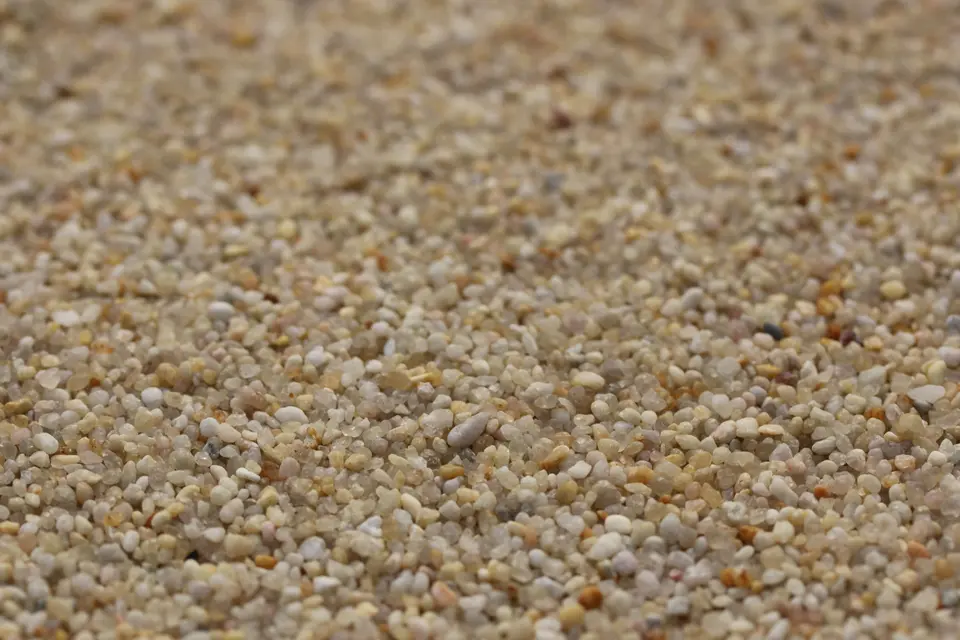
Quartz sand for carnivorous plants: what is it used for and how do you use it?
How to care for and maintain xaxim in a terrarium and a tropical greenhouse
Cork oak bark: an ideal natural substrate for epiphytic plants and terrariums

Free delivery on orders of €59 or more until midnight on Sunday
Oxalis triangularis: growing, care and tips

Dicksonia sellowiana: an iconic tree fern of the xaxim