
Hoya: A Comprehensive Guide to Growing Hoyas
Introduction
Hoya plants, with their undeniable charm, captivate with their waxy, fragrant flowers. But with such a wide variety of species, how do you choose the perfect hoya for your home? This comprehensive guide will help you make the right choice and provide you with everything you need to know to successfully grow this exotic plant.
Hoya Plants: A Brief Introduction
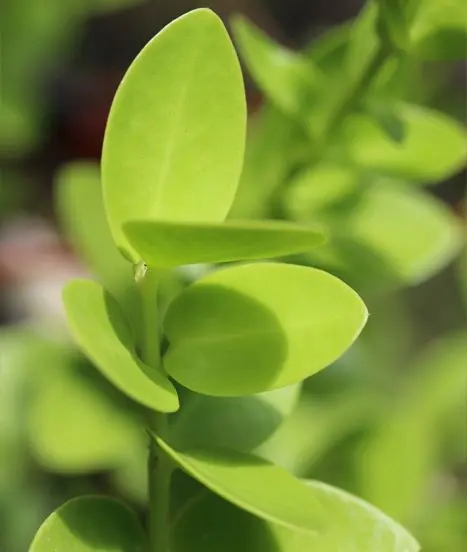
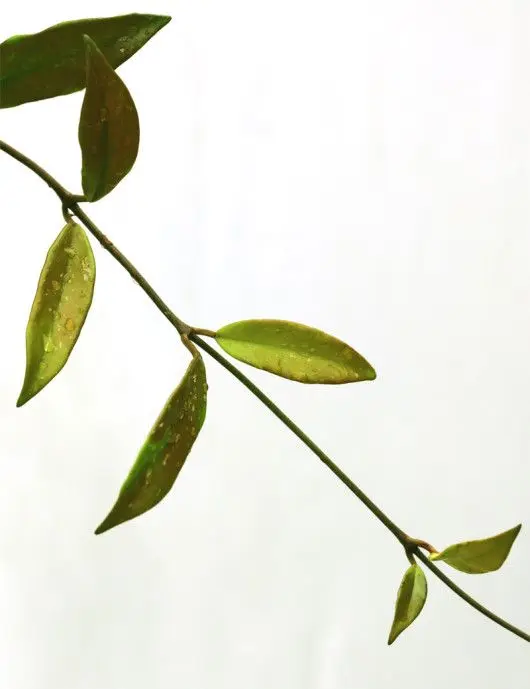
Native to **South-East Asia and Australia**, hoyas are prized for being easy to grow and long-lived. Their twining stems, fleshy leaves and umbel-shaped inflorescences make them highly decorative houseplants.
Choosing your Hoya: A journey into the heart of diversity
Choosing your Hoya will depend on several factors: the size of your home, the amount of light available, and, of course, your personal taste.
- Mature Taille: Hoyas can vary considerably in size when fully grown. Some species remain compact, whilst others can grow to several metres in length.
- Growth rate: Some species grow quickly, whilst others are slower.
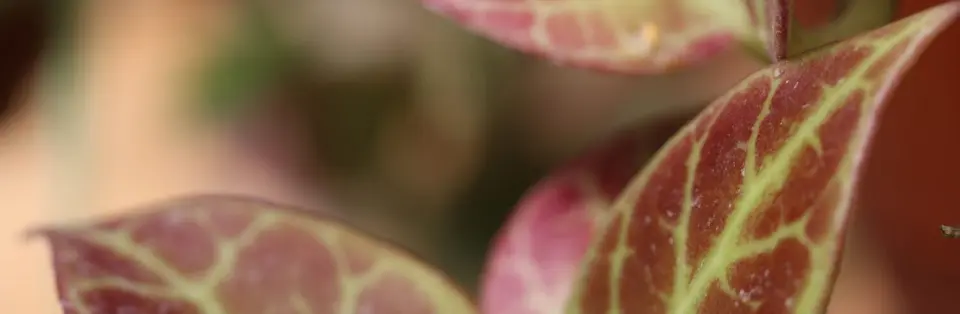
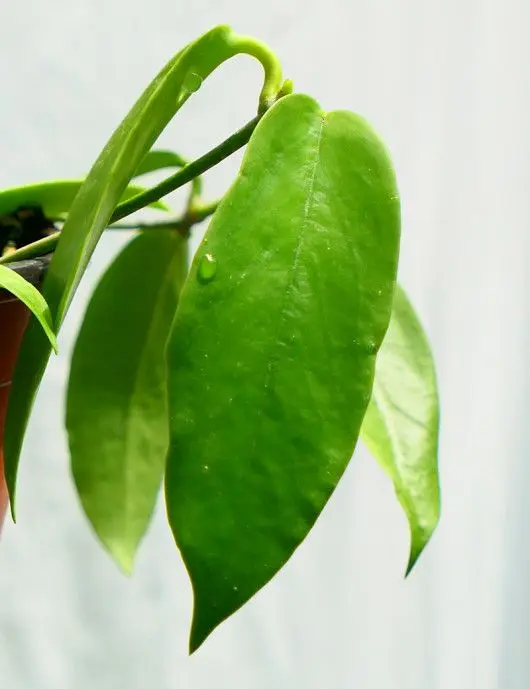
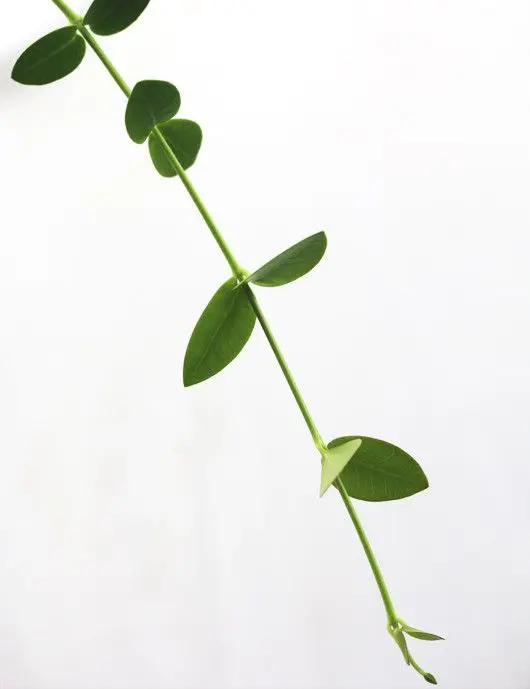
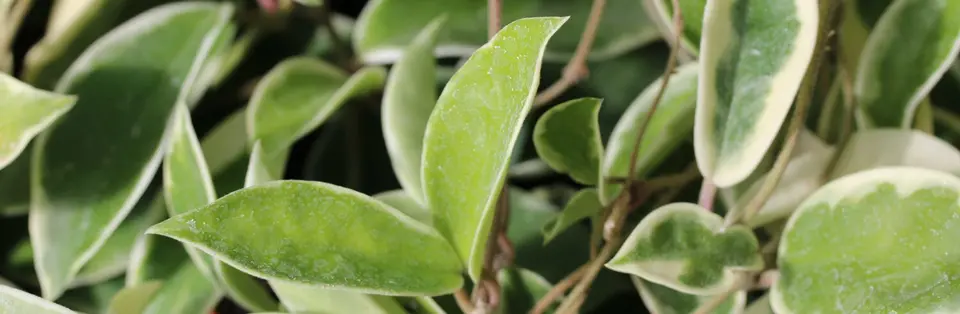
- Leaf Taille: Hoya leaves can be small and round, long and slender, or even variegated.
- Flower colour: Hoya flowers come in a range of colours, from pure white to deep pink, including shades of yellow and red.
- Fragrance: Some species of hoya have very fragrant flowers, whilst others are almost odourless.
Ideal growing conditions
- Light: Bright, indirect light.
- Temperature: 18–25°C.
- Watering: Water thoroughly when the surface of the growing medium is dry.
- Potting mix: Specialised Hoya mix.
- Fertiliser: Liquid orchid fertiliser every 2–3 weeks.
Care and repotting
- Tailleing: Pinch out young shoots to encourage branching.
- Rempotage: Every 2–3 years into a slightly larger pot.
- Pests: Keep an eye out for scale insects as well as aphids.
Flowering and propagation
- Flowering: Best encouraged by plenty of light and regular, but not excessive, watering.
- Propagation: By stem cuttings.
Conclusion
The world of hoyas is vast and rich in diversity. By taking your preferences and your home environment into account, you’re sure to find the species that suits you best. Don’t hesitate to find out more about the different varieties, about Hoyas in general, and to ask for advice.
For sale in the Karnivores shop
Love Growing guide & tips? Don't miss our plants and exclusive offers in the online shop.
Read next
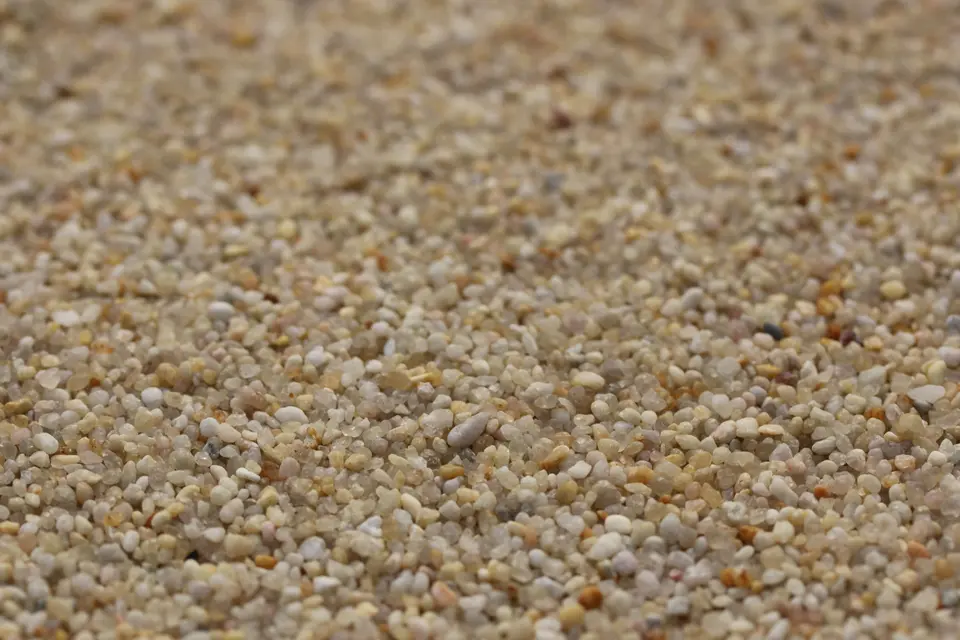
Quartz sand for carnivorous plants: what is it used for and how do you use it?
How to care for and maintain xaxim in a terrarium and a tropical greenhouse
Cork oak bark: an ideal natural substrate for epiphytic plants and terrariums

Free delivery on orders of €59 or more until midnight on Sunday
Oxalis triangularis: growing, care and tips
Dicksonia sellowiana: an iconic tree fern of the xaxim